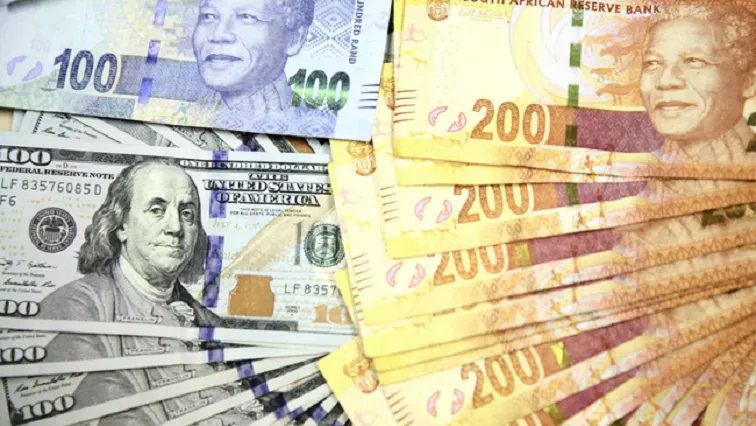
Rand continues to strengthen against the US dollar
The rand’s recent performance has drawn attention across financial markets, with traders and economists pointing to a combination of global and domestic factors driving the currency’s upward momentum.
Over the past month, the rand has strengthened by just under 4% against the US dollar, while year-on-year gains exceed 14%, based on prevailing exchange rate data from currency markets. This positions the local unit in one of its most resilient phases since the volatility triggered by the COVID-19 pandemic and subsequent global tightening cycles.
Market participants caution that currency movements remain fluid, but the current trend reflects a clear shift in sentiment toward emerging market assets.
South African rand strengthens on global and local support
Improved global risk appetite boosts emerging markets
One of the key drivers behind the rand’s rally has been improved global market stability. The recent easing of tariff tensions between the United States and parts of Europe has reduced uncertainty in global trade, encouraging investors to move capital back into higher-yielding assets.
As a result, emerging market currencies — including the rand — have benefited from renewed risk-on flows, with investors seeking better returns outside traditional safe havens such as the US dollar.
Currency strategists note that when global volatility declines, the rand often performs strongly due to South Africa’s relatively deep financial markets and attractive real yields.
Rand vs US dollar exchange rate breaks key level
Breaking through the R16-per-dollar threshold is widely viewed as a significant technical and psychological milestone. While short-term fluctuations remain possible, the move signals confidence in South Africa’s macroeconomic stability relative to global peers.
The rand’s performance also reflects expectations that US interest rates may remain stable or ease over time, reducing dollar strength and supporting currencies such as the rand.
Economists caution that sustained gains will depend on global inflation trends, geopolitical developments, and domestic policy consistency.
Stronger rand impact on fuel prices and consumers
Relief for imports and inflation pressures
A stronger rand is broadly positive for South African consumers, particularly when it comes to imported goods. Since South Africa relies heavily on imports for fuel, machinery, and consumer products, a firmer currency can help lower input costs.
Fuel prices are especially sensitive to currency movements. When the rand strengthens against the US dollar — the currency used in global oil trade — it places downward pressure on petrol and diesel prices, potentially easing transport and food costs over time.
Lower import costs can also contribute to softer inflation, providing indirect relief to households already under pressure from high living costs.
Monetary policy confidence supports rand stability
The rand’s resilience also reflects confidence in the South African Reserve Bank (SARB) and its monetary policy stance. Markets continue to view the SARB as a credible and independent institution, focused on controlling inflation while maintaining financial stability.
Favourable outcomes from recent Monetary Policy Committee (MPC) decisions have reinforced investor trust, particularly as South Africa maintains relatively high real interest rates compared to many developed economies.
This yield advantage makes South African assets more attractive to foreign investors, supporting continued demand for the rand.
Emerging market currency rally gathers momentum
Broader trend supports rand outlook
The rand’s gains are not occurring in isolation. Several emerging market currencies have strengthened alongside improved global sentiment, declining inflation expectations, and stabilising commodity prices.
However, analysts warn that external shocks — such as renewed geopolitical tensions, sudden changes in US monetary policy, or domestic fiscal concerns — could quickly reverse gains.
For now, the rand’s performance underscores renewed optimism, with traders closely watching upcoming economic data and global developments for confirmation of the trend.
What to watch next
While the rand continues to strengthen against the US dollar, experts advise caution against assuming a straight-line recovery. Currency markets remain highly sensitive to global headlines, and short-term pullbacks are common even in strong trends.
Key factors to monitor include:
-
US Federal Reserve policy signals
-
Global inflation and growth data
-
Domestic fiscal and economic reforms
-
Commodity price movements
If supportive conditions persist, the rand could remain resilient in the near term, offering continued benefits to consumers and importers alike.
YOU MAY LIKE:
TymeBank rebrands to GoTyme as it partners with Sanlam and expands services
Conclusion
The fact that the rand continues to strengthen against the US dollar reflects a rare alignment of favourable global sentiment, disciplined domestic policy, and improving investor confidence. While challenges remain, the current rally represents one of the most encouraging periods for the South African currency in recent years.
Major News Outlets & Reports
1. South African rand gains on precious metal rally and market optimism — Reuters reports that the rand strengthened past R16 to the U.S. dollar, buoyed by surging gold prices and improved investor sentiment.
🔗 https://www.reuters.com/world/africa/south-african-rand-boosted-by-stronger-precious-metal-prices-ahead-central-bank-2026-01-27/