US-Iran 10-Point Peace Agreement: A Turning Point in Conflict
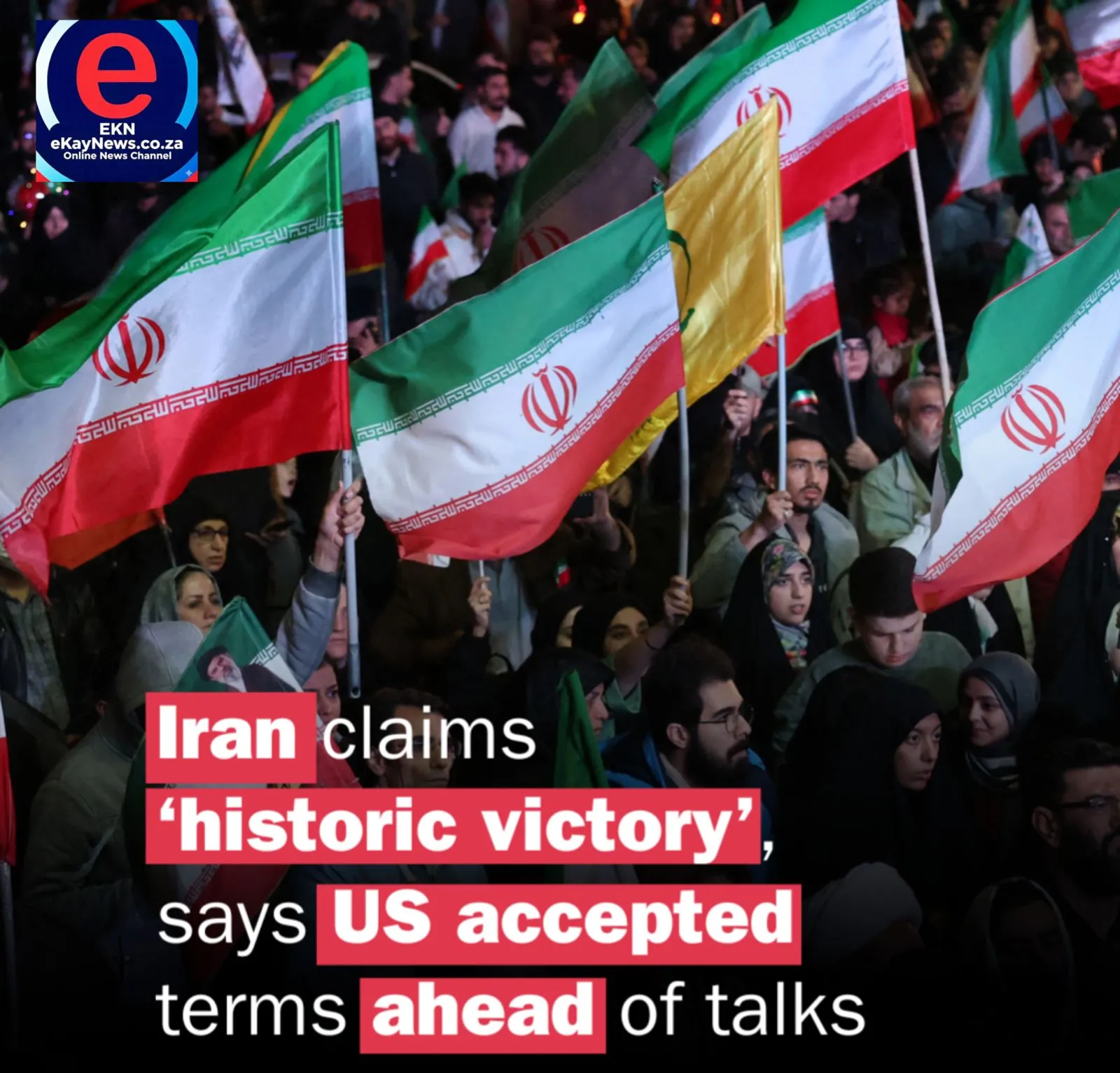
US-Iran 10-Point Peace Agreement marks a critical moment in the long-standing tensions between Iran and the United States under Donald Trump. The proposed framework, described by Tehran as a “historic victory,” has introduced a potential pathway toward de-escalation after months of rising military and political confrontation. While both sides remain cautious, the agreement has created new momentum for US-Iran negotiations, particularly surrounding the strategically vital Strait of Hormuz.
Iran’s Supreme National Security Council announced that the United States has accepted the framework of its 10-point peace proposal, setting the stage for formal negotiations scheduled to begin in Islamabad. The development follows Trump’s decision to pause military operations for two weeks, allowing diplomatic channels to take priority.
US-Iran 10-Point Peace Agreement and Historic Breakthrough
US-Iran 10-Point Peace Agreement has been framed by Iranian officials as a breakthrough that reflects Tehran’s resilience. According to official statements, the proposal includes key demands such as guarantees of non-aggression, sanctions relief, withdrawal of U.S. forces from the region, and reparations.
Central to the agreement is Iran’s insistence on maintaining control over the Strait of Hormuz, a crucial global oil route. This demand highlights the broader geopolitical stakes, as nearly one-fifth of the world’s oil supply passes through this narrow waterway.
For Iran, securing recognition of its authority over the strait represents both a strategic and symbolic victory. For the United States, agreeing to use the proposal as a basis for discussion signals a shift toward diplomacy, even if no final deal has been reached.
Key Elements of the 10-Point Peace Proposal
The 10-point peace proposal put forward by Iran outlines a comprehensive framework designed to address both immediate conflict concerns and long-term regional stability. Among its most significant provisions are:
- A formal guarantee of non-aggression between the United States and Iran
- Continued Iranian oversight of the Strait of Hormuz
- Gradual lifting of economic sanctions imposed on Iran
- Withdrawal of U.S. military forces from key regional positions
- Financial reparations linked to damages from the conflict
These elements reflect Iran’s strategic priorities, particularly its desire to secure sovereignty and economic recovery. The proposal also underscores Tehran’s broader aim to reshape regional power dynamics in its favor.
US-Iran 10-Point Peace Agreement and Trump’s Ceasefire Move
US-Iran 10-Point Peace Agreement gained traction after Donald Trump announced a temporary halt to military strikes. The U.S. president described the pause as a “double-sided ceasefire,” emphasizing that it depends on progress in reopening the Strait of Hormuz and advancing diplomatic talks.
Trump’s acknowledgment that the Iranian proposal offers a “workable basis” for negotiation represents a notable shift in tone. While the United States has not formally endorsed all aspects of the plan, this recognition has opened the door for structured dialogue.
The ceasefire window, set for two weeks, is widely seen as a critical opportunity to test whether diplomacy can succeed where military pressure has failed.
Strait of Hormuz at the Center of Global Concerns
The Strait of Hormuz remains the focal point of the entire crisis. As one of the world’s most important energy corridors, any disruption in this region has immediate global consequences. Rising tensions have already contributed to volatility in oil markets, with prices climbing amid fears of supply interruptions.
Control over the strait is not only an economic issue but also a geopolitical one. Iran views it as a vital leverage point, while the United States and its allies see freedom of navigation as essential to global stability.
The inclusion of the strait in the US-Iran 10-point peace proposal highlights its central role in negotiations. Any lasting agreement will likely depend on resolving competing claims over its management and security.
US-Iran 10-Point Peace Agreement and Upcoming Talks
US-Iran 10-Point Peace Agreement will be at the heart of negotiations scheduled to begin in Islamabad. According to Iranian officials, the talks could last up to 15 days and may be extended if progress is made.
Pakistan’s role as a mediator underscores the importance of regional actors in facilitating dialogue. The negotiations are expected to focus on refining the proposal’s details and establishing mechanisms for implementation, including international oversight.
Despite the optimism surrounding the talks, Iranian authorities have made it clear that negotiations “do not mean the end of the war.” This statement reflects ongoing uncertainty and the possibility that hostilities could resume if talks break down.
Global Reactions and Market Impact
The announcement of the US-Iran negotiations has drawn mixed reactions from the international community. Some countries have welcomed the move as a step toward de-escalation, while others remain skeptical about the prospects for a lasting agreement.
Global oil markets have responded cautiously. While the ceasefire has provided temporary relief, uncertainty surrounding the Strait of Hormuz continues to influence prices. Analysts warn that any disruption could trigger a renewed oil crisis, affecting economies worldwide.
Financial markets are also closely monitoring developments, as geopolitical stability in the Middle East plays a crucial role in global economic health.
Challenges Facing the Peace Process
Despite the progress represented by the 10-point peace proposal, significant challenges remain. Key issues include:
- Differing interpretations of the agreement’s terms
- The need for verification and enforcement mechanisms
- Domestic political pressures in both Iran and the United States
- The risk of external actors influencing the مذاکرات
Both sides must navigate these obstacles carefully to avoid undermining the fragile diplomatic process. The success of the negotiations will depend on sustained commitment and mutual trust—factors that have historically been in short supply.
Future of US-Iran Relations
The outcome of the US-Iran 10-Point Peace Agreement could have far-reaching implications for future relations between the two countries. A successful deal would mark a significant departure from decades of hostility, potentially paving the way for broader cooperation on regional and global issues.
However, failure could deepen tensions and increase the likelihood of renewed conflict. The stakes are high, not only for Iran and the United States but also for the international community as a whole.
YOU MAY LIKE:
Conclusion
US-Iran 10-Point Peace Agreement represents a pivotal moment in global geopolitics. As Iran and Donald Trump move toward negotiations, the world watches closely to see whether this framework can deliver lasting peace or merely a temporary pause in hostilities.
With the Strait of Hormuz at the center of the dispute and global markets on edge, the coming weeks will be decisive. While the path forward remains uncertain, the willingness of both sides to engage in dialogue offers a glimmer of hope in an otherwise volatile situation.
Mainstream Media References
- US-Iran Ceasefire and Strait of Hormuz Reopening
The U.S. and Iran agreed to a two-week ceasefire, including reopening the Strait of Hormuz after last-minute diplomacy.
US and Iran agree to provisional ceasefire - Trump’s Ceasefire Decision and 10-Point Proposal Basis
Donald Trump paused military strikes and said Iran’s 10-point proposal could serve as a basis for negotiations.
Trump suspends Iran strikes for 2 weeks
Keep the Headlines Fresh!

Quality news takes time, effort, and a whole lot of coffee. If you value what we do at eKayNews, consider “buying a round” for the team!
-
Join the Inner Circle: Set up a custom subscription.
-
The Instant Jolt: Send a one-time “coffee” donation.
Why trust us? We use PayFast for 100% secure, encrypted transactions. Your data stays yours; the news stays ours.
To our amazing readers: You’re the reason we’re first on the scene. Thanks for being part of the family!
Feel the Pulse of the News with eKayNews!

Join the ever-growing eKayNews community and stay connected to the stories that matter. Follow us on Facebook, X, and WhatsApp for real-time updates, breaking news, and exclusive alerts straight to your feed. Your support keeps us digging deeper and sharing the news you can trust.
Stay Connected:
-
Facebook: [eKayNews on Facebook]
-
X (Twitter): [eKayNews on X]
-
WhatsApp: [Join the eKayNews WhatsApp Channel]
Become part of our inner circle and get instant news alerts as events unfold across South Africa and beyond!
Promote Your Brand with eKayNews
Looking to reach a wide, engaged audience? Explore our advertising packages:
-
Link Booster: 7 links to 7 articles over 7 days – R2,500
-
Permanent Feature: Sponsored blog article hosted permanently – R4,000
-
Prime Visibility: Home page banner ad for 30 days – R5,000
Don’t miss your chance to connect with our audience. Book your package today via email at info@ekaynews.co.za or WhatsApp us on +27710961185.
Be part of a platform where news meets community—stay informed, stay ahead, stay with eKayNews!