Qatar mediators in Tehran talks to reopen strait of Hormuz
Qatar mediators in Tehran talks to reopen strait of Hormuz, signaling a critical juncture in the ongoing diplomatic efforts to end the devastating conflict between the United States and the Islamic Republic. As the geopolitical standoff continues to cripple global energy markets, Qatar has rushed a dedicated team of mediators to the Iranian capital. Their primary objective is to finalize a breakthrough agreement that would unblock the strategically vital waterway in exchange for the lifting of crippling US sanctions and the unfreezing of Iranian assets abroad.
The immediate goal of these high-stakes negotiations is to sign a comprehensive memorandum of understanding regarding maritime navigation. This framework would theoretically pave the way for a 30-day window of intensive talks focused specifically on Iran’s nuclear programme. Crucially, this temporary arrangement would defer the immediate discussion of Washington’s uncompromising demand that Iran hand over its entire stockpile of highly enriched uranium, allowing both sides to prioritize the de-escalation of the immediate military and economic crisis.
The vital role of Qatar in Iran and US mediation
Until this pivotal weekend, Qatar—often regarded as one of the most skilled and neutral mediators in the Middle East—had noticeably distanced itself from acting as a direct go-between in the explosive 2026 US-Iran war. Following the outbreak of hostilities on February 28, which saw US and Israeli strikes against Iranian targets, the mediation tasks were initially left to Oman and, more recently, Pakistan.
Qatar’s earlier reluctance was deeply tied to the fact that it had suffered significant collateral damage during the conflict, including Iranian missile and drone strikes that severely damaged its Ras Laffan liquefied natural gas (LNG) production facilities. However, the re-engagement of Qatar mediators in Tehran talks to reopen strait of Hormuz reflects Doha’s enduring status as a designated major non-NATO ally of the United States and a trusted back-channel to the Iranian leadership.
The presence of these Qatari diplomats in Tehran is widely viewed as a sign that backroom discussions have reached a climax. The world is watching closely, as Doha brings unparalleled diplomatic weight to the table, hoping to untangle a web of military threats, economic blockades, and nuclear ultimatums that have left the international community on edge.
Resolving the Strait of Hormuz crisis and global shipping
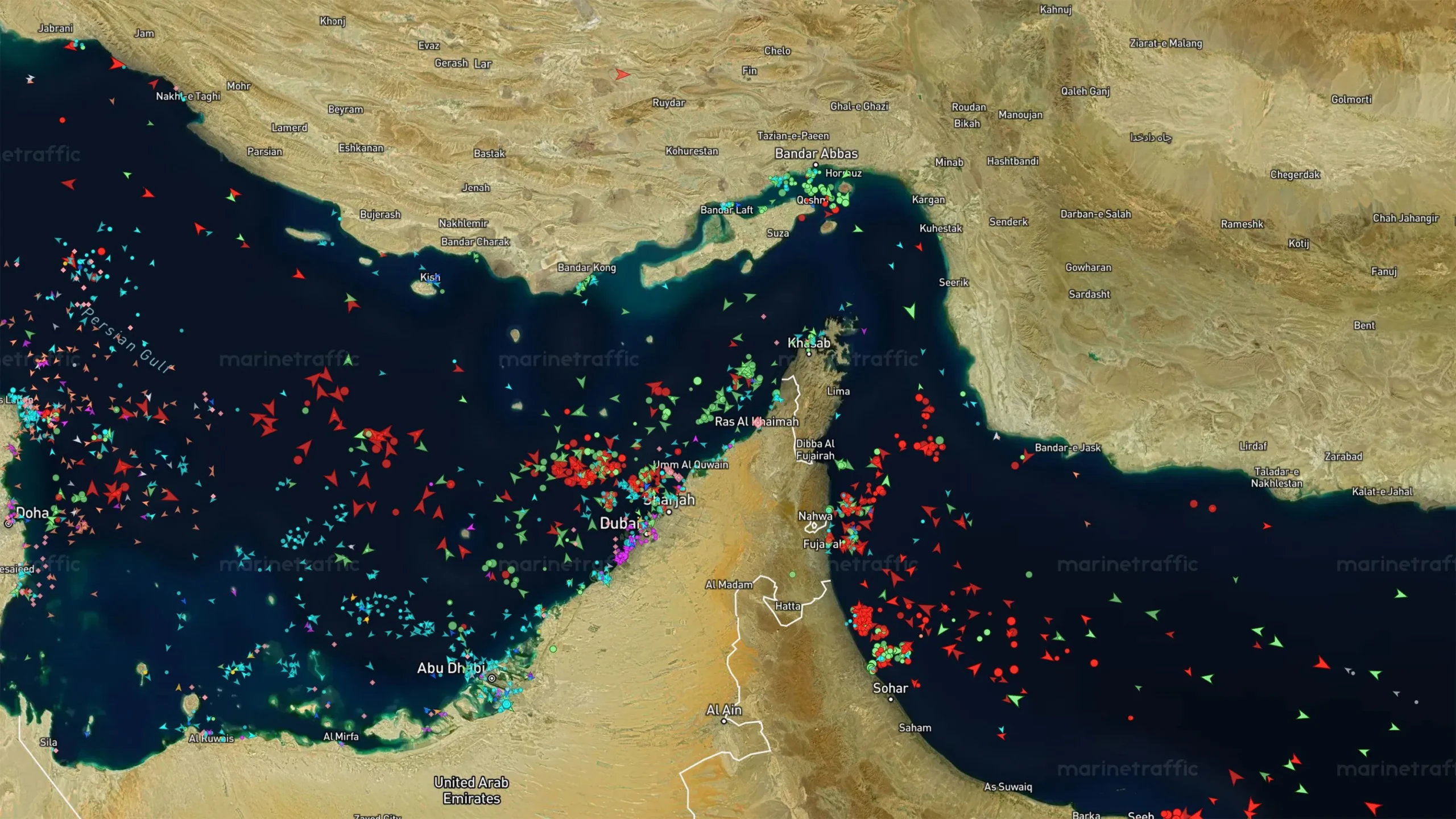
At the very heart of the current conflict is the complete disruption of commercial maritime traffic. The effective closure of the Strait of Hormuz by Iranian naval forces, coupled with a strict US naval blockade of Iranian ports, has sent shockwaves through the global economy. Before the war, roughly a fifth of the world’s oil and a significant portion of global LNG trade transited through this narrow chokepoint. Today, traffic has fallen to a mere trickle.
To resolve this, Iran has floated a highly controversial proposal. Tehran has threatened to impose mandatory tolls on all commercial shipping passing through the strait, attempting to establish a “Persian Gulf Strait Authority” to regulate and charge merchant vessels for protection and transit rights. According to recent reports, vessels that have been allowed passage—roughly 35 in a recent 24-hour period—were only able to do so after obtaining direct permission from the Islamic Revolutionary Guard Corps (IRGC) Navy.
US Secretary of State Marco Rubio rejects Iran tolling system
The United States has drawn a hard line against Tehran’s maritime demands. US Secretary of State Marco Rubio recently addressed the situation during a NATO foreign ministers’ meeting, confirming that while there had been “some slight progress” and “a little bit of movement,” the fundamentals of the US position remain unchanged.
Rubio fiercely condemned the proposed tolling system. “There is not a country in the world that should accept that,” he stated unequivocally, labeling the idea as completely unacceptable. “If that were to happen in the Straits of Hormuz, it will happen in five other places around the world.”
Despite the tough rhetoric from Washington, the sheer economic necessity of restoring maritime trade has kept the diplomatic channels open. The arrival of Qatar mediators in Tehran talks to reopen strait of Hormuz demonstrates that Washington is still willing to explore alternative diplomatic off-ramps, even as it publicly rejects Iran’s taxation of international waters.
Strategic demands from Tehran in the nuclear standoff
For the Iranian government, the reopening of the Strait of Hormuz is heavily conditional. Tehran is leveraging its control over the waterway to extract maximum concessions from the United States. Iranian officials have made it clear that their primary demands include an immediate, comprehensive ceasefire, the withdrawal of US military forces from threatening positions, compensation for damages incurred during the war, and the total lifting of US economic sanctions.
Furthermore, the issue of Iran’s nuclear capabilities remains the elephant in the room. The United States has consistently demanded that Iran completely abandon its nuclear ambitions and surrender its stockpile of highly enriched uranium. Tehran, however, views its nuclear program as a fundamental deterrent and a non-negotiable pillar of its national sovereignty.
The proposed memorandum of understanding being championed by the Qatari delegation offers a clever diplomatic sidestep. By agreeing to a 30-day negotiation period specifically for the nuclear issue, both sides can agree to reopen the Strait of Hormuz immediately without officially conceding on the uranium dispute. This phased approach is exactly why the deployment of Qatar mediators in Tehran talks to reopen strait of Hormuz is being hailed by some analysts as the most viable path away from the brink of total regional war.
Pakistan and Qatar coordinate ongoing mediation efforts
While Qatar has stepped into the spotlight, Pakistan remains a crucial player in the broader mediation landscape. The head of the Pakistan army, Field Marshal Asim Munir, was also expected in Tehran to meet with senior Iranian military and political figures. Pakistan’s Interior Minister Mohsen Naqvi has held multiple meetings with Iranian Foreign Minister Abbas Araghchi, working tirelessly to secure an agreement that satisfies both Washington and Tehran.
The coordination between Doha and Islamabad is essential. While Pakistan acts as the official interlocutor for the US, bringing military and regional weight, Qatar brings unmatched experience in complex hostage, financial, and geopolitical negotiations. Together, these two nations are attempting to construct a framework that prevents a devastating escalation while ensuring the safe transit of energy supplies to the rest of the world.
Washington considers “Plan B” amid military strike reports
Despite the optimistic signs of diplomatic movement, the threat of military action continues to loom heavily over the region. The US administration under President Donald Trump has made it clear that its patience is not infinite. While Trump recently paused the US military’s “Project Freedom” operation to guide ships through the strait—citing “great progress” in the negotiations—the Pentagon retains a robust military presence in the Gulf.
The latest diplomatic pushes have coincided with US media reports indicating that the Pentagon is actively weighing new military strikes on Iranian targets should the talks collapse. Both Axios and CBS reported that while a final decision has not been made, contingency plans are fully drafted. Secretary of State Marco Rubio echoed this sentiment, stating, “We also have to have a Plan B. What if Iran refuses to open the Straits? At that point, something has to be done about it.”
Adding to the intense speculation of an impending geopolitical shift, President Trump announced that he would not travel to attend his son’s wedding this weekend. The President cited “circumstances pertaining to government” and his “love for the United States of America” as the reasons for remaining in Washington. This unprecedented cancellation has only fueled rumors that the White House is bracing either for a historic peace agreement or a major military escalation in the Middle East.
Conclusion: The world awaits the outcome in Tehran
The next few days will undoubtedly dictate the economic and security trajectory of the global landscape for years to come. The successful intervention of Qatar mediators in Tehran talks to reopen strait of Hormuz could single-handedly avert a prolonged global energy crisis, stabilize skyrocketing oil prices, and pull the United States and Iran back from the precipice of an all-out war.
However, the margins for error remain razor-thin. With Iran demanding unprecedented control over international shipping lanes, and the US refusing to compromise on nuclear proliferation, the negotiators from Qatar and Pakistan face a monumental task. Whether this climax in negotiations results in a lasting memorandum of understanding or serves merely as a brief pause before the resumption of hostilities remains to be seen. The international community watches with bated breath, hoping that diplomacy will ultimately prevail in the troubled waters of the Persian Gulf.
References:
-
The Guardian. (2026). “Qatar sends mediators to Tehran in sign talks to reopen strait of Hormuz are reaching climax.”
https://www.theguardian.com/world/2026/may/22/uranium-strait-of-hormuz-us-iran-war-talks-pakistan -
Financial Times. (2026). “Marco Rubio sees ‘good signs’ US could reach deal with Iran.”
https://www.ft.com/content/e08cbca2-b5ca-428d-8bef-79378308d426
Keep the Headlines Fresh!

Quality news takes time, effort, and a whole lot of coffee. If you value what we do at eKayNews, consider “buying a round” for the team!
-
Join the Inner Circle: Set up a custom subscription.
-
The Instant Jolt: Send a one-time “coffee” donation.
Why trust us? We use PayFast for 100% secure, encrypted transactions. Your data stays yours; the news stays ours.
To our amazing readers: You’re the reason we’re first on the scene. Thanks for being part of the family!
Feel the Pulse of the News with eKayNews!

Join the ever-growing eKayNews community and stay connected to the stories that matter. Follow us on Facebook, X, and WhatsApp for real-time updates, breaking news, and exclusive alerts straight to your feed. Your support keeps us digging deeper and sharing the news you can trust.
Stay Connected:
-
Facebook: [eKayNews on Facebook]
-
X (Twitter): [eKayNews on X]
-
WhatsApp: [Join the eKayNews WhatsApp Channel]
Become part of our inner circle and get instant news alerts as events unfold across South Africa and beyond!
Promote Your Brand with eKayNews
Looking to reach a wide, engaged audience? Explore our advertising packages:
-
Link Booster: 7 links to 7 articles over 7 days – R2,500
-
Permanent Feature: Sponsored blog article hosted permanently – R4,000
-
Prime Visibility: Home page banner ad for 30 days – R5,000
Don’t miss your chance to connect with our audience. Book your package today via email at info@ekaynews.co.za or WhatsApp us on +27710961185.
Be part of a platform where news meets community—stay informed, stay ahead, stay with eKayNews!