National shutdown warning for South Africa
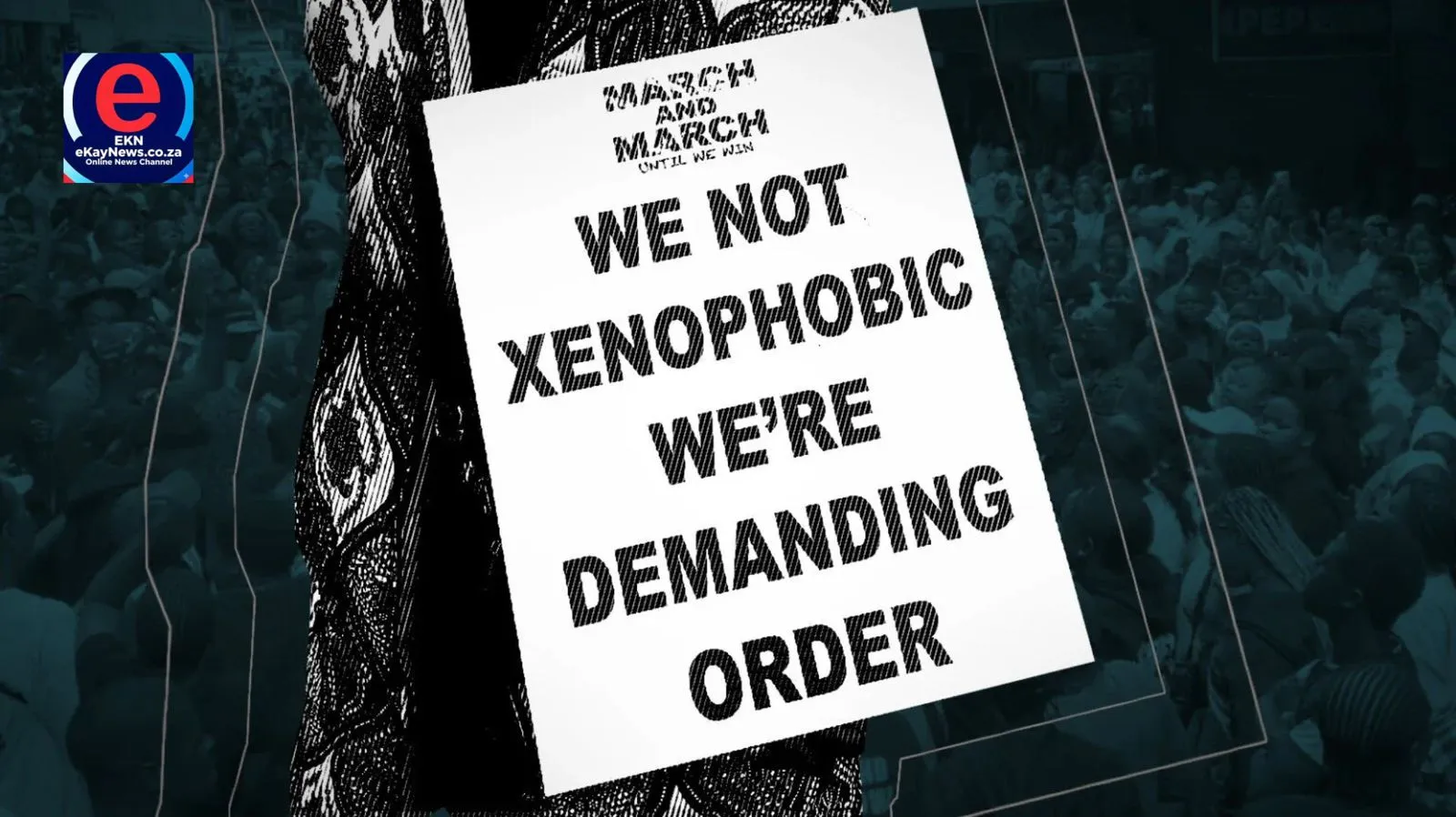
National shutdown warning for South Africa has intensified political and social tensions as anti-illegal-immigration movement March and March confirmed plans to proceed with a nationwide shutdown on 30 June. The announcement follows urgent meetings at the Union Buildings in Pretoria involving ministers from the Justice, Crime Prevention, and Security Cluster, who are seeking to calm growing unrest linked to illegal immigration protests across the country.
The planned demonstrations have become one of the most controversial developments in South Africa’s political landscape in 2026. Supporters of the movement argue that undocumented migration is placing pressure on jobs, healthcare, housing, and law enforcement. Critics, however, warn that the protests risk fuelling xenophobia and social instability.
The national shutdown South Africa debate has now become a major talking point among government leaders, political parties, civil society organisations, and ordinary citizens.
March and March movement pushes ahead with shutdown
The March and March movement says it remains determined to continue with its nationwide action despite government engagement efforts. Founded in early 2025, the organisation has rapidly grown into one of the country’s most visible anti-illegal-immigration groups.
The movement has organised several marches and protests over the past year, demanding stricter immigration enforcement and the deportation of undocumented foreign nationals. Tensions surrounding the protests have escalated in recent weeks, with reports of heated confrontations in several communities.
According to the group’s leader, Jacinta Ngobese-Zuma, the shutdown aims to pressure authorities into taking stronger action against illegal immigration.
March and March argues that undocumented migration contributes to rising unemployment, crime, and pressure on public services. Protest organisers say their campaign is not motivated by xenophobia, but rather by concerns over law enforcement and economic stability.
The movement’s demands include:
- Immediate deportation of undocumented foreign nationals
- Increased border security measures
- More immigration officers
- Stronger enforcement of immigration laws
- Tighter controls on refugee and asylum systems
Ngobese-Zuma insisted that South Africa must prioritise the interests of its citizens.
“We don’t owe them anything. South Africa must protect its own people first,” she said during a recent media briefing.
Government responds to illegal immigration protests
Government leaders have acknowledged growing public frustration while urging protesters to remain peaceful and operate within the law.
Defence Minister Angie Motshekga addressed the issue after the security cluster meeting in Tshwane. She confirmed that the right to protest is protected under the Constitution, but stressed that demonstrations must remain lawful and non-violent.
Angie Motshekga calls for lawful demonstrations
Motshekga said the government understands the frustrations expressed by protesters but warned against intimidation or attacks targeting foreign nationals.
“As much as South Africans have the right to strike, and their anger and frustration are understood, they must protest within the framework of the law,” she said.
The minister also urged demonstrators to treat people with dignity and respect despite rising tensions. Her comments come as law enforcement agencies prepare for the planned shutdown amid concerns about possible disruptions to transport systems, businesses, schools, and public services.
Security officials are expected to increase police visibility in major cities including Johannesburg, Durban, Cape Town, and Pretoria ahead of 30 June.
Rising tensions over undocumented foreign nationals
The issue of undocumented foreign nationals has remained highly sensitive in South Africa for years. Economic challenges, unemployment, and pressure on state services have intensified debates around immigration policy.
Many communities argue that illegal immigration places additional strain on housing, education, healthcare, and employment opportunities. However, human rights organisations have repeatedly warned against blaming migrants for broader structural economic problems.
Foreign nationals have accused some March and March supporters of intimidation and forcibly removing people from homes and businesses. Community activists say such actions could escalate into violence if not managed carefully. The movement, however, denies allegations of xenophobia and insists it is focused only on undocumented migration.
Concerns about xenophobia resurface
South Africa has experienced several outbreaks of xenophobic violence over the past two decades, resulting in deaths, displacement, and damage to businesses.
Political analysts warn that the current protests could reignite tensions if inflammatory rhetoric continues. Several civil society organisations have called for calm dialogue and responsible leadership from both protesters and government officials.
Migration experts also argue that many challenges blamed on undocumented migration are linked to broader economic conditions, corruption, and governance failures. Despite these concerns, support for stricter immigration enforcement appears to be growing in some communities frustrated by unemployment and crime.
Security cluster meetings at Union Buildings
The emergency meeting at the Union Buildings reflected growing concern within government over the scale of the protests. Senior officials from the Justice, Crime Prevention, and Security Cluster met with political parties, civic organisations, and protest leaders to discuss possible solutions.
The discussions focused on:
- Preventing violence during protests
- Improving immigration enforcement
- Strengthening border security
- Addressing community grievances
- Protecting foreign nationals from attacks
Authorities are hoping that continued engagement will reduce tensions before the planned national shutdown South Africa action begins. However, March and March has made it clear that the protest will proceed as planned.
Immigration laws and border control under scrutiny
The demonstrations have renewed scrutiny on South Africa’s immigration system and border management. Critics argue that weak border controls and slow immigration processes have allowed undocumented migration to increase over time.
Protesters are demanding stricter enforcement measures and additional immigration officers to strengthen oversight. Government officials have acknowledged challenges within the immigration system but maintain that reforms are already being considered.
Some analysts believe the issue could become a major political battleground ahead of future elections, particularly as unemployment and economic pressures continue to rise.
Calls for immigration reform grow louder
The growing unrest has placed pressure on policymakers to respond with clear immigration reforms.
Proposals under discussion include:
- Modernising border management systems
- Improving refugee processing procedures
- Increasing deportation operations
- Enhancing cooperation with neighbouring countries
- Expanding immigration enforcement resources
At the same time, rights groups argue that any reforms must remain consistent with constitutional protections and international human rights obligations.
Economic pressures fuel public frustration
South Africa’s economic challenges remain central to the growing protests. High unemployment, especially among young people, has fuelled frustration in many communities. Rising living costs and concerns about crime have further intensified public anger.
Some protesters believe undocumented migration worsens competition for jobs and resources, while economists argue that the country’s economic problems are more complex.
Experts note that illegal immigration alone cannot explain unemployment levels or service delivery failures. Nevertheless, the issue continues to resonate strongly among sections of the population demanding urgent government action.
Political reactions divide opinion
Political parties have responded differently to the shutdown warning. Some parties support stronger immigration enforcement while condemning any form of violence or intimidation. Others accuse the protests of encouraging xenophobic attitudes.
The debate has highlighted divisions over how South Africa should balance border security, economic realities, and constitutional rights. Analysts say the situation could influence future policy debates on immigration, labour markets, and national security.
YOU MAY LIKE:
African ambassadors raise fears for safety of immigrants in S.A
Conclusion
The National shutdown warning for South Africa has exposed deep frustrations surrounding immigration, unemployment, and social stability. As the 30 June protest date approaches, government leaders, security officials, and community organisations face mounting pressure to prevent violence while addressing legitimate public concerns.
The March and March movement remains firm in its demands for stricter immigration enforcement and mass deportations of undocumented foreign nationals. Meanwhile, government officials such as Angie Motshekga continue urging protesters to exercise their constitutional rights responsibly and peacefully.
With tensions rising across several communities, South Africa now faces a critical moment that could shape future debates on immigration policy, border security, and national unity. The coming weeks will likely determine whether dialogue and lawful protest can prevail over division and instability.
References from mainstream media
- News24 – March and March confirms national shutdown on June 30
https://www.news24.com/news24/southafrica/news/march-and-march-confirms-national-shutdown-on-june-30-20260525 - eNCA – Angie Motshekga calls for lawful demonstrations during immigration protests
https://www.enca.com/news/angie-motshekga-calls-lawful-demonstrations-during-immigration-protests
Keep the Headlines Fresh!

Quality news takes time, effort, and a whole lot of coffee. If you value what we do at eKayNews, consider “buying a round” for the team!
-
Join the Inner Circle: Set up a custom subscription.
-
The Instant Jolt: Send a one-time “coffee” donation.
Why trust us? We use PayFast for 100% secure, encrypted transactions. Your data stays yours; the news stays ours.
To our amazing readers: You’re the reason we’re first on the scene. Thanks for being part of the family!
Feel the Pulse of the News with eKayNews!

Join the ever-growing eKayNews community and stay connected to the stories that matter. Follow us on Facebook, X, and WhatsApp for real-time updates, breaking news, and exclusive alerts straight to your feed. Your support keeps us digging deeper and sharing the news you can trust.
Stay Connected:
-
Facebook: [eKayNews on Facebook]
-
X (Twitter): [eKayNews on X]
-
WhatsApp: [Join the eKayNews WhatsApp Channel]
Become part of our inner circle and get instant news alerts as events unfold across South Africa and beyond!
Promote Your Brand with eKayNews
Looking to reach a wide, engaged audience? Explore our advertising packages:
-
Link Booster: 7 links to 7 articles over 7 days – R2,500
-
Permanent Feature: Sponsored blog article hosted permanently – R4,000
-
Prime Visibility: Home page banner ad for 30 days – R5,000
Don’t miss your chance to connect with our audience. Book your package today via email at info@ekaynews.co.za or WhatsApp us on +27710961185.
Be part of a platform where news meets community—stay informed, stay ahead, stay with eKayNews!