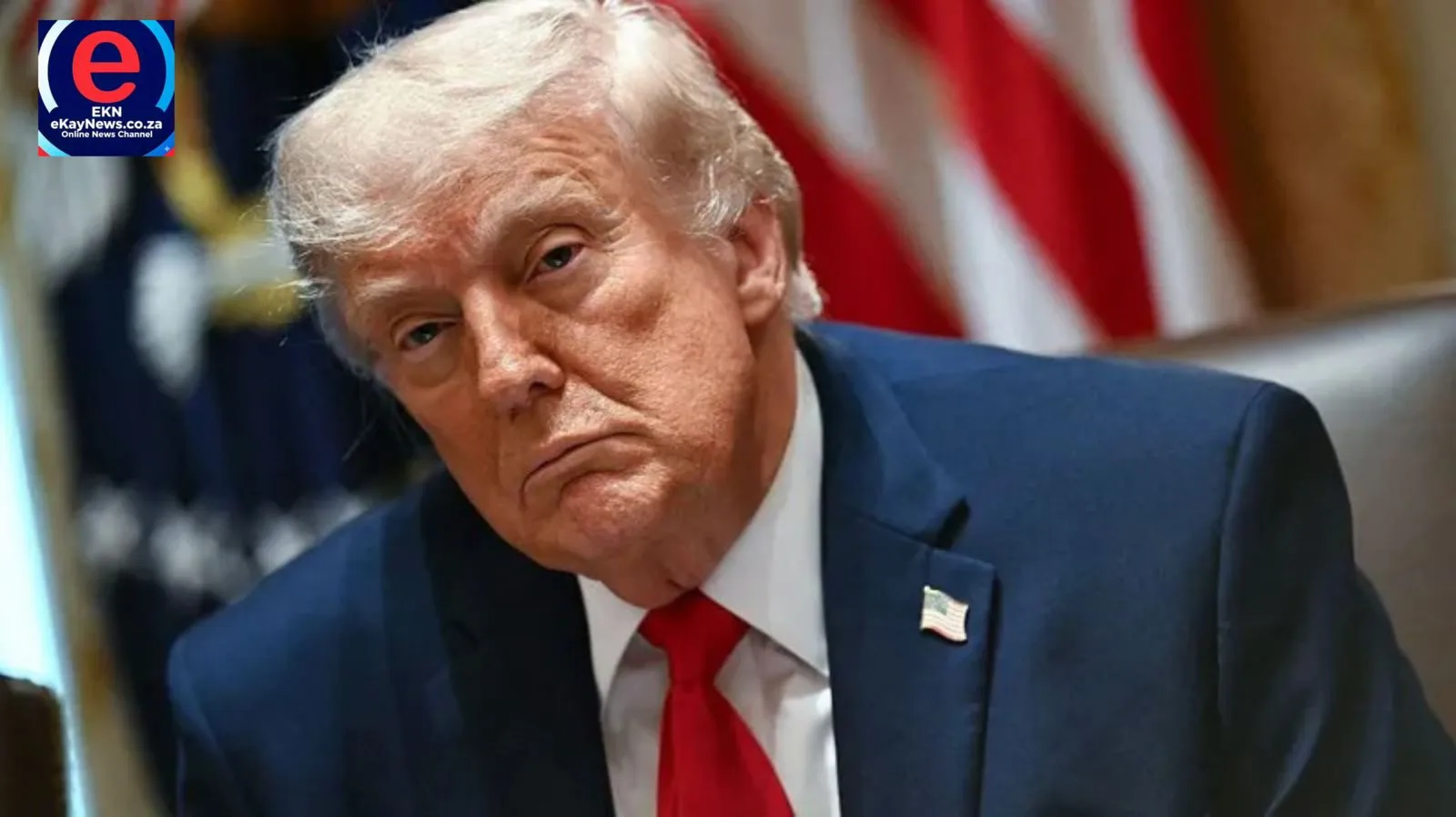
Trump Puts Off ‘Final Determination’ on Iran Proposal
Trump Puts Off ‘Final Determination’ on Iran Proposal after a lengthy White House meeting that was expected to produce a clear decision on the future of negotiations between the United States and Iran. Despite earlier indications that President Donald Trump was ready to make a final call, the discussions concluded without any formal announcement or agreement.
The development comes at a crucial moment for regional stability in the Middle East, as tensions between Washington and Tehran continue to influence global energy markets, international diplomacy, and security concerns. The latest round of talks focused on extending a ceasefire arrangement and potentially opening the door for broader negotiations involving Iran’s nuclear program.
Donald Trump Iran Proposal Faces Delays
President Donald Trump met with senior advisers in the White House Situation Room for approximately two hours to discuss a proposed agreement involving Iran. Prior to the meeting, Trump suggested through social media that he intended to make a “final determination” regarding the proposal.
However, following the meeting, administration officials confirmed that no decision had been reached.
The delay has sparked speculation among analysts about the complexities surrounding the negotiations. While the White House has not provided a detailed explanation for the postponement, observers believe significant differences remain between the positions held by Washington and Tehran.
The Donald Trump Iran proposal includes several conditions that the administration considers essential before moving forward with any long-term agreement.
Key Conditions Proposed by Trump
According to statements made before the meeting, Trump outlined several requirements that would need to be met as part of a ceasefire extension:
- Reopening of the Strait of Hormuz
- Iranian commitment not to develop a nuclear weapon
- Permission for the United States to remove enriched uranium from Iran
- Expanded discussions on regional security
These demands represent major policy objectives for the Trump administration but have also become points of contention during negotiations.
Iran Ceasefire Negotiations Continue
The latest developments indicate that Iran ceasefire negotiations remain ongoing despite the lack of a final decision.
Iranian officials have signaled a willingness to discuss certain aspects of regional tensions but appear reluctant to expand discussions into broader nuclear-related issues at this stage.
Esmail Baghaei, spokesperson for Iran’s Foreign Ministry, stated that current negotiations are limited in scope and do not specifically include nuclear matters.
This position highlights one of the major obstacles facing negotiators.
While the United States seeks a comprehensive agreement that addresses nuclear concerns, Iran appears focused on securing a ceasefire extension and easing economic restrictions before engaging in wider discussions.
The gap between these positions may explain why Trump chose not to make an immediate decision following the White House meeting.
Why a Ceasefire Matters
The ceasefire discussions are viewed as critical because recent military exchanges have increased fears of a broader regional conflict.
A successful extension could:
- Reduce military tensions
- Improve diplomatic communication
- Stabilize oil markets
- Create conditions for future negotiations
- Lower the risk of direct confrontation
Many international observers view continued dialogue as the best opportunity to prevent escalation.
Strait of Hormuz Reopening Remains Central
One of the most significant aspects of the negotiations involves the Strait of Hormuz reopening.
The waterway is among the world’s most important shipping routes, carrying a substantial percentage of global oil and natural gas exports.
Trump suggested that a successful agreement could lead to the lifting of U.S. naval restrictions affecting Iranian shipping activities.
In a social media post, the president indicated that ships impacted by the blockade could soon resume normal operations if an agreement is reached.
The reopening of the Strait of Hormuz would have far-reaching economic implications.
Global Importance of the Strait
The Strait of Hormuz serves as a critical maritime corridor connecting Gulf oil producers to international markets.
Any disruption in the area can result in:
- Rising oil prices
- Increased shipping costs
- Global energy market instability
- Economic uncertainty
As a result, governments and businesses worldwide are closely monitoring developments.
The possibility of reopening the route has already generated significant interest among energy analysts and investors.
US Iran Nuclear Talks Remain Uncertain
Although discussions continue, the future of US Iran nuclear talks remains uncertain.
Trump’s administration has consistently argued that any long-term agreement must address Iran’s nuclear capabilities.
However, Iranian officials continue to reject suggestions that current ceasefire discussions should automatically expand into nuclear negotiations.
This disagreement represents one of the largest challenges facing diplomats.
The nuclear issue has remained a central point of tension between the two countries for many years.
Previous attempts to negotiate restrictions on Iran’s nuclear activities have produced mixed results, with both sides frequently accusing each other of failing to uphold commitments.
Potential Outcomes of Nuclear Discussions
Should broader negotiations eventually take place, possible outcomes could include:
- Enhanced international inspections
- Limits on uranium enrichment
- Economic sanctions relief
- Security guarantees
- Regional cooperation measures
However, significant diplomatic work would be required before such agreements become achievable.
Trump Middle East Policy Under Scrutiny
The current situation has also brought renewed attention to Trump Middle East policy.
Supporters argue that Trump’s firm approach has increased pressure on Iran and strengthened American leverage during negotiations.
Critics, however, contend that aggressive rhetoric and military threats have contributed to instability and complicated diplomatic efforts.
The administration now faces the challenge of balancing pressure with diplomacy.
A successful agreement could provide Trump with a significant foreign policy achievement while reducing concerns about a wider conflict.
Failure to secure a deal, on the other hand, could increase regional uncertainty and place additional pressure on the administration’s broader Middle East strategy.
Domestic Political Considerations
The ongoing negotiations also carry domestic political implications.
Recent polling has suggested that many Americans are concerned about the possibility of another prolonged conflict in the Middle East.
An agreement that avoids military escalation while protecting U.S. interests could be viewed positively by voters.
Conversely, a breakdown in talks could become a major political issue as debates over foreign policy intensify.
Economic Impact of a Potential Agreement
Financial markets are closely watching developments surrounding the negotiations.
Oil prices have experienced fluctuations amid uncertainty regarding future relations between the United States and Iran.
A successful deal could:
- Lower energy market volatility
- Improve investor confidence
- Increase global oil supply
- Reduce inflationary pressures
For Iran, an agreement could potentially unlock billions of dollars in frozen overseas assets and restore access to key revenue streams.
Economic relief would provide significant benefits to the country’s struggling economy.
International Reactions
Governments around the world are monitoring the situation carefully.
Many international leaders support efforts aimed at reducing tensions and preventing further conflict.
Diplomatic partners have encouraged both sides to continue negotiations and seek a peaceful resolution.
The outcome of the talks could influence regional alliances, global energy security, and future diplomatic initiatives involving other Middle Eastern nations.
What Happens Next?
Following the decision to postpone a final determination, attention now shifts to the next phase of negotiations.
Officials from both countries are expected to continue discussions in the coming days and weeks.
Several key questions remain unanswered:
- Will Iran accept additional conditions?
- Can nuclear discussions be expanded?
- Will sanctions relief be included?
- How quickly can the Strait of Hormuz reopen?
- Can the ceasefire be extended successfully?
The answers to these questions will shape the future direction of the negotiations.
YOU MAY LIKE:
Conclusion
Trump Puts Off ‘Final Determination’ on Iran Proposal marks another significant chapter in the complex relationship between Washington and Tehran. While expectations were high that the White House meeting would produce a decisive outcome, the administration ultimately chose to delay its decision.
The ongoing Donald Trump Iran proposal, Iran ceasefire negotiations, discussions surrounding the Strait of Hormuz reopening, uncertainty over US Iran nuclear talks, and broader questions about Trump Middle East policy will continue attracting global attention.
As both sides navigate difficult diplomatic challenges, the coming weeks could prove critical in determining whether negotiations move toward lasting peace or renewed confrontation.
Mainstream Media References
- Reuters – “Trump says meeting Friday to make final decision on deal with Iran”
https://www.reuters.com/world/trump-says-meeting-friday-make-final-decision-deal-with-iran-2026-05-29/ - Associated Press (AP) – “Trump ponders whether to move forward with Iran deal but hasn’t yet decided”
https://apnews.com/article/cac5206df0f0c7b79fe9321c08d63096
Keep the Headlines Fresh!

Quality news takes time, effort, and a whole lot of coffee. If you value what we do at eKayNews, consider “buying a round” for the team!
-
Join the Inner Circle: Set up a custom subscription.
-
The Instant Jolt: Send a one-time “coffee” donation.
Why trust us? We use PayFast for 100% secure, encrypted transactions. Your data stays yours; the news stays ours.
To our amazing readers: You’re the reason we’re first on the scene. Thanks for being part of the family!
Feel the Pulse of the News with eKayNews!

Join the ever-growing eKayNews community and stay connected to the stories that matter. Follow us on Facebook, X, and WhatsApp for real-time updates, breaking news, and exclusive alerts straight to your feed. Your support keeps us digging deeper and sharing the news you can trust.
Stay Connected:
-
Facebook: [eKayNews on Facebook]
-
X (Twitter): [eKayNews on X]
-
WhatsApp: [Join the eKayNews WhatsApp Channel]
Become part of our inner circle and get instant news alerts as events unfold across South Africa and beyond!
Promote Your Brand with eKayNews
Looking to reach a wide, engaged audience? Explore our advertising packages:
-
Link Booster: 7 links to 7 articles over 7 days – R2,500
-
Permanent Feature: Sponsored blog article hosted permanently – R4,000
-
Prime Visibility: Home page banner ad for 30 days – R5,000
Don’t miss your chance to connect with our audience. Book your package today via email at info@ekaynews.co.za or WhatsApp us on +27710961185.
Be part of a platform where news meets community—stay informed, stay ahead, stay with eKayNews!