Trump Now Says US Left Iran’s Military Alone as He Considers Deal
Trump now says US left Iran’s military alone as he considers deal, a statement that has sparked widespread debate and raised new questions about the United States’ strategy in the ongoing conflict with Iran. The remarks come as President Donald Trump weighs a potential extension of a fragile ceasefire agreement and seeks progress toward a broader Nuclear Deal that could reshape the future of US-Iran relations.
The latest comments appear to contradict previous claims by the administration that American military operations had severely weakened Iran’s military capabilities. Instead, Trump suggested that parts of Iran’s military infrastructure were intentionally left intact to avoid destabilizing the country and creating a regional security vacuum.
Trump’s New Position on Iran’s Military
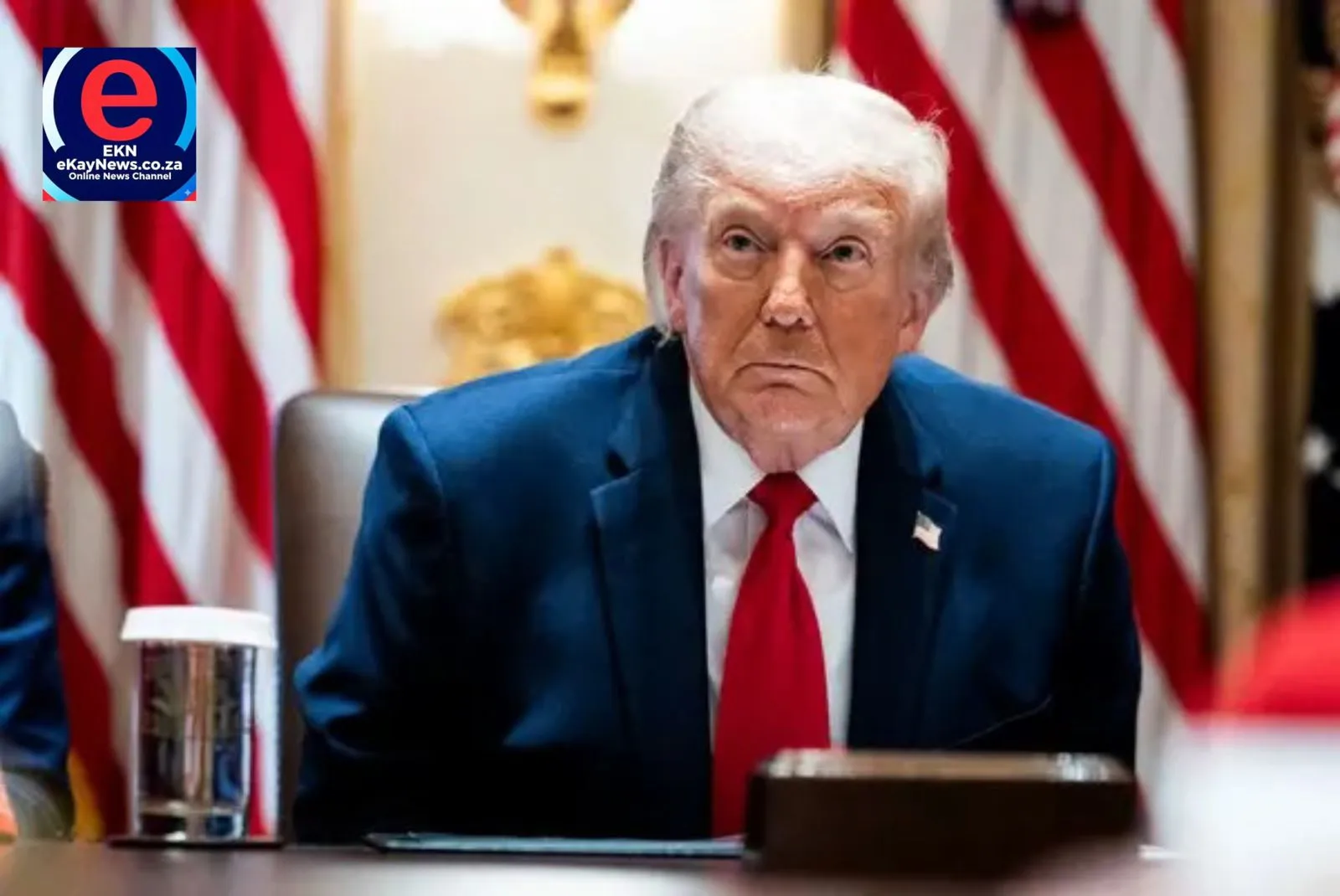
During an interview with Lara Trump on Fox News, President Trump stated that the United States had largely left Iran’s military alone despite months of conflict.
According to Trump, America’s strategy was designed to prevent a repeat of mistakes made in Iraq and Syria, where the destruction of state institutions contributed to prolonged instability and the rise of extremist groups.
Trump explained that while Iranian naval and air force capabilities had been significantly degraded, broader military structures remained largely untouched.
His remarks surprised many observers because previous statements from both Trump and administration officials often described American operations as devastating blows to Iran’s military strength.
The apparent shift in messaging has fueled debate among political analysts, foreign policy experts and lawmakers.
Ceasefire Negotiations Continue
The controversy surrounding Trump’s comments comes at a critical time as Washington and Tehran continue discussions over a possible ceasefire extension.
The current ceasefire remains fragile after months of military confrontation that disrupted regional stability and affected global energy markets.
Officials have reportedly discussed extending the truce by an additional 60 days while negotiations continue on more complex issues.
Challenges Facing the Ceasefire
Several obstacles remain before any long-term agreement can be finalized, Among the most difficult issues are:
- Iran’s nuclear enrichment activities.
- Future sanctions relief.
- Release of frozen Iranian assets.
- Security guarantees for regional shipping routes.
- Verification mechanisms for compliance.
While both sides have shown interest in avoiding further escalation, significant differences remain. Analysts believe that reaching a comprehensive Nuclear Deal will require compromises from both Washington and Tehran.
Strait of Hormuz Remains a Global Concern
One of the most important factors driving negotiations is the security of the Strait of Hormuz. The strategic waterway remains one of the world’s most critical shipping routes, carrying a significant portion of global oil exports.
Throughout the conflict, concerns over disruptions in the Strait of Hormuz contributed to volatility in international energy markets. Although ceasefire discussions have reduced immediate fears, uncertainty remains. Iranian forces continue to demonstrate their ability to influence maritime traffic in the region, raising concerns among governments and businesses worldwide.
Why the Strait Matters
The Strait of Hormuz connects the Persian Gulf to international waters and serves as a vital corridor for global energy supplies.
Any prolonged disruption can result in:
- Higher oil prices.
- Increased transportation costs.
- Global inflation pressures.
- Supply chain disruptions.
- Economic uncertainty.
As a result, maintaining stability in the region remains a top priority for international policymakers.
Contradictions Raise Questions
Trump’s latest comments have attracted criticism because they appear inconsistent with earlier statements. At one point during the interview, the president suggested that Iran’s military had largely been spared. Moments later, however, he stated that Iran effectively had “no military.”
These seemingly contradictory remarks quickly became a focal point of discussion among political commentators and social media users. Critics argued that the conflicting statements created confusion regarding the actual objectives and outcomes of the military campaign.
Supporters of the administration suggested that Trump may have been referring specifically to different branches of Iran’s armed forces rather than the military as a whole. Nevertheless, the comments have intensified scrutiny of the administration’s messaging.
Impact on US-Iran Relations
The future of US-Iran relations may depend heavily on the success of ongoing negotiations. For years, tensions between the two countries have shaped security dynamics across the Middle East. The conflict has affected diplomatic relationships, military deployments, international trade and energy markets.
If a new agreement is reached, it could open the door to improved communication and reduced military tensions. However, failure to secure a deal could increase the likelihood of renewed hostilities.
Economic Implications
The ongoing conflict has already produced significant economic consequences. Energy markets reacted strongly when fighting first erupted, causing fuel prices to rise sharply.
Although prices have stabilized somewhat amid ceasefire optimism, economists warn that risks remain. Any breakdown in negotiations could quickly reverse recent gains and place renewed pressure on global markets. Investors continue monitoring developments closely as uncertainty persists.
Political Reactions in Washington
Trump’s remarks have also generated political reactions in the United States. Some lawmakers questioned whether the administration has a clear strategy regarding Iran.
Others argued that preserving portions of Iran’s military structure may have been a practical decision aimed at preventing state collapse.
The debate reflects broader divisions over America’s role in the Middle East and the use of military force as a foreign policy tool. As negotiations continue, Congress is expected to maintain close oversight of any proposed agreement.
Nuclear Deal Remains the Central Issue
Despite ongoing discussions about military operations and ceasefires, the central issue remains Iran’s nuclear program. Negotiators continue to debate enrichment limits, inspection procedures and sanctions relief.
The outcome of these discussions will likely determine whether a long-term agreement becomes possible.
Many experts believe a successful Nuclear Deal could significantly reduce regional tensions and lower the risk of future conflict. However, skepticism remains high among both supporters and critics of diplomatic engagement.
What Happens Next?
The coming weeks may prove decisive for the future of US-Iran relations. President Trump faces pressure from multiple directions as he considers whether to approve an extension of the ceasefire and continue negotiations.
Regional allies, international partners and domestic political figures all have strong interests in the outcome. At the same time, developments in the Strait of Hormuz and Iran’s nuclear program continue to influence decision-making.
YOU MAY LIKE:
US ‘more than capable’ of resuming war with Iran, Hegseth says
Conclusion
Trump now says US left Iran’s military alone as he considers deal, marking a significant shift in the public narrative surrounding the conflict. The comments have raised fresh questions about American military objectives, the future of the ceasefire and the prospects for a comprehensive Nuclear Deal.
As negotiations continue, the world is watching closely. The decisions made in the coming days could shape regional security, global energy markets and the future of relations between the United States and Iran for years to come.
References from mainstream media
- Reuters – Trump says Iran wants a deal as ceasefire talks continue
- New York Post – Trump revises Iran peace deal conditions and insists on nuclear limits
Keep the News Flowing – Buy the Team a Coffee! ☕

Love the updates? Help us stay on the beat! Whether it’s a quick one-time donation or a monthly subscription, your support keeps the eKayNews lights on and the stories flowing.
-
Secure & Simple: We use PayFast for total transaction peace of mind.
-
Make an Impact: Every “coffee” you send directly supports our newsroom.
Your Brand, Our Audience: Let’s Make Headlines Together! 🚀

Looking for real engagement? At eKayNews, we don’t just share news—we build connections. Whether you’re a local startup or a growing business, our advertising packages are designed to put your brand in front of a loyal, highly engaged audience.
Choose Your Spotlight:
-
Link Booster (R2,500): Dominate the feed with 7 links across 7 days.
-
Permanent Feature (R4,000): Your story, hosted on our site for a lifetime.
-
Prime Visibility (R5,000): Claim the top spot with a 30-day homepage banner.
Ready to grow? 📩 Email us: info@ekaynews.co.za 💬 WhatsApp us: +27 71 096 1185
Get Connected:
-
Facebook & X (Twitter) : Follow us for real-time updates and community debates.
-
WhatsApp Channel: Get exclusive alerts sent directly to your phone.
Stay informed, ahead, connected with the eKayNews family!