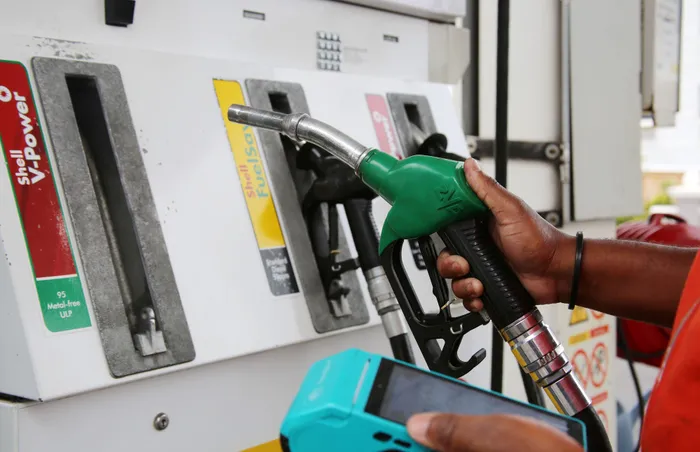
June Fuel Price Changes: Diesel Relief, Petrol Hike
June Fuel Price Changes: Diesel Relief, Petrol Hike will affect millions of South African motorists as the latest fuel adjustments come into effect on 3 June 2026. While diesel users will welcome significant price reductions, petrol motorists are set to face a sharp increase at the pumps. The latest announcement by the Department of Mineral and Petroleum Resources (DMPR) highlights how global market conditions, geopolitical tensions, exchange rate movements and government levy adjustments continue to shape local fuel prices.
For consumers already grappling with rising living costs, the mixed fuel price outlook brings both relief and concern. Businesses that rely heavily on diesel-powered transport may benefit from lower operating costs, while households and commuters using petrol vehicles will need to budget for higher fuel expenses.
FuelPrices Reflect Global Market Pressures
The latest fuel adjustments underscore the direct impact of international energy markets on South African consumers. According to the DMPR, global oil market developments played a significant role in determining June’s fuel price changes.
One of the major factors was the increase in the average price of BrentCrude oil during the review period. The benchmark crude oil price rose from approximately $101 per barrel to $104.59 per barrel. This increase was largely driven by escalating geopolitical tensions between the United States and Iran.
The continued instability in the Middle East has heightened concerns about global oil supply disruptions. Adding to these concerns is the closure of the Strait of Hormuz, one of the world’s most important oil shipping routes.
The Strait of Hormuz serves as a critical passage for a significant portion of global oil exports. Any disruption in this strategic waterway tends to increase uncertainty in international energy markets, leading to higher crude oil prices.
As a result, South African fuel pricing calculations were directly influenced by these global developments.
Petrol Users Face Higher Costs
Why Petrol Prices Are Increasing
Despite some positive developments in fuel pricing calculations, petrol users will still experience a noticeable increase in prices this month.
The higher BrentCrude oil price contributed to upward pressure on petrol costs. While international refined fuel prices provided some relief, the gains were not enough to fully offset other cost increases.
Government adjustments to fuel levy relief measures and changes to the Slate Levy also played a significant role in determining the final petrol price.
The Slate Levy is used to recover under-recoveries in fuel pricing and maintain stability in the fuel market. Changes to this levy can have a direct impact on what consumers pay at service stations.
For many Petrol users, the increase will add further pressure to household budgets already affected by inflation and other rising costs.
Commuters who travel long distances daily may feel the impact most strongly, particularly in urban centres where fuel consumption remains high.
Impact on Everyday Motorists
Higher petrol prices often have ripple effects throughout the economy.
When fuel costs increase, transport expenses generally rise as well. This can affect the cost of goods and services, as businesses often pass additional transport expenses on to consumers.
South African Motorists may therefore experience indirect impacts beyond simply paying more to fill their vehicles.
Families who rely on personal vehicles for commuting, school transport and daily errands may need to reconsider travel budgets during the coming months.
Businesses operating vehicle fleets could also face increased operational expenses.
Diesel Users Receive Welcome Relief
Significant Diesel Price Reductions
While petrol motorists face challenges, diesel users have reason to celebrate.
One of the most notable aspects of the June fuel adjustment is the substantial reduction in diesel prices.
According to the DMPR, international prices for refined petroleum products declined during the review period, particularly for diesel and illuminating paraffin.
This decline significantly reduced the basic fuel price contribution for diesel.
The department reported that lower international product prices reduced diesel pricing by approximately R5.42 per litre before other adjustments were applied.
These reductions provide meaningful relief for industries heavily dependent on diesel-powered transportation.
Why Diesel Prices Fell
The primary reason behind the diesel price decrease relates to changing seasonal demand patterns.
The DMPR explained that middle distillates, including diesel and paraffin, experienced lower demand as the northern hemisphere entered the summer season.
During warmer months, demand for heating fuels typically decreases, reducing pressure on diesel markets.
This seasonal shift contributed to lower international diesel prices despite the overall increase in crude oil costs.
The result is a rare situation where diesel users benefit while petrol users face rising costs.
Benefits for Transport and Agriculture
The diesel price reduction could provide important support for key sectors of the South African economy.
The logistics industry relies heavily on diesel-powered trucks to transport goods across the country. Lower diesel prices may help reduce operating costs for transport companies.
Agricultural producers also stand to benefit. Many farming operations depend on diesel-powered machinery for planting, harvesting and irrigation.
Reduced fuel expenses may help improve profitability and ease some of the financial pressures facing the agricultural sector.
Although consumers may not immediately notice the impact, lower transportation costs can eventually contribute to more stable pricing for certain goods.
Rand Strength Provides Additional Relief
Stronger Currency Helps Offset Costs
Another positive factor influencing fuel pricing was the strengthening of the South African rand against the US dollar.
During the review period, the rand improved from an average of R16.65 to R16.52 against the dollar.
Because international oil products are traded in dollars, a stronger rand reduces the cost of importing fuel into South Africa.
The currency appreciation provided additional relief to fuel pricing calculations.
According to the DMPR, the stronger exchange rate reduced fuel costs by approximately:
- R0.12 per litre for petrol
- R0.15 per litre for diesel
- R0.15 per litre for illuminating paraffin
These savings helped offset some of the upward pressure caused by higher crude oil prices.
Importance of Exchange Rate Stability
The performance of the rand remains one of the most important factors influencing South African fuel prices.
Even relatively small movements in the exchange rate can significantly affect fuel costs.
A stronger currency generally helps cushion consumers from global oil price increases, while a weaker rand often amplifies international market pressures.
Economic analysts will continue monitoring currency trends closely as global uncertainty remains elevated.
BrentCrude and Geopolitical Risks Remain Key Concerns
Middle East Tensions Continue
The situation involving the United States and Iran remains a major concern for global energy markets.
Any escalation in tensions could further disrupt oil supplies and increase market volatility.
Energy traders continue to watch developments surrounding the Strait of Hormuz closely.
As one of the world’s most strategically important shipping routes, disruptions in the region can quickly affect global oil prices.
Should tensions worsen, South African consumers could face additional fuel price pressures in the months ahead.
Future Fuel Outlook
Predicting future fuel prices remains challenging due to the number of variables involved.
Several factors will influence upcoming adjustments, including:
- Global crude oil prices
- Exchange rate movements
- International refined fuel prices
- Geopolitical developments
- Government fuel levy policies
While diesel users currently enjoy lower prices, future adjustments could change depending on market conditions.
Similarly, petrol prices could stabilize if global oil markets improve or if the rand continues strengthening.
What Motorists Should Expect
Budgeting for Higher Petrol Costs
For motorists using petrol vehicles, careful budgeting may become increasingly important.
Consumers can reduce fuel expenses through practical measures such as:
- Combining trips where possible
- Maintaining proper tyre pressure
- Avoiding unnecessary idling
- Using fuel-efficient driving techniques
- Keeping vehicles properly serviced
These small changes can help offset rising fuel costs over time.
Opportunities for Diesel Consumers
Diesel users, particularly businesses, may find opportunities to manage costs more effectively during this period of lower fuel prices.
Transport operators and agricultural businesses could potentially improve efficiency and profitability as fuel expenses decline.
However, experts caution that global fuel markets remain highly unpredictable.
YOU MAY LIKE:
Conclusion
June Fuel Price Changes: Diesel Relief, Petrol Hike highlights the contrasting fortunes facing South African motorists this month. While diesel users benefit from substantial price reductions driven by lower international demand and favorable market conditions, petrol motorists must contend with higher costs resulting from increased BrentCrude oil prices and adjustments to government fuel levies.
The strengthening rand provided valuable support, helping to offset some of the pressure from rising global oil prices. Nevertheless, ongoing geopolitical tensions involving Iran and the closure of the Strait of Hormuz continue to create uncertainty in international energy markets.
For South African Motorists, the latest FuelPrices serve as a reminder of how interconnected local fuel costs are with global events. As June begins, consumers and businesses alike will be watching closely to see whether market conditions improve or whether further volatility lies ahead.
References
- iOL – June official fuel price changes bring relief for diesel users but petrol motorists face sharp increase
- TheCitizen – Petrol prices surge as diesel drops in June: This is how much you will pay
Keep the News Flowing – Buy the Team a Coffee! ☕

Love the updates? Help us stay on the beat! Whether it’s a quick one-time donation or a monthly subscription, your support keeps the eKayNews lights on and the stories flowing.
-
Secure & Simple: We use PayFast for total transaction peace of mind.
-
Make an Impact: Every “coffee” you send directly supports our newsroom.
Your Brand, Our Audience: Let’s Make Headlines Together! 🚀

Looking for real engagement? At eKayNews, we don’t just share news—we build connections. Whether you’re a local startup or a growing business, our advertising packages are designed to put your brand in front of a loyal, highly engaged audience.
Choose Your Spotlight:
-
Link Booster (R2,500): Dominate the feed with 7 links across 7 days.
-
Permanent Feature (R4,000): Your story, hosted on our site for a lifetime.
-
Prime Visibility (R5,000): Claim the top spot with a 30-day homepage banner.
Ready to grow? 📩 Email us: info@ekaynews.co.za 💬 WhatsApp us: +27 71 096 1185
Get Connected:
-
Facebook & X (Twitter) : Follow us for real-time updates and community debates.
-
WhatsApp Channel: Get exclusive alerts sent directly to your phone.
Stay informed. Stay ahead. Stay connected with the eKayNews family!