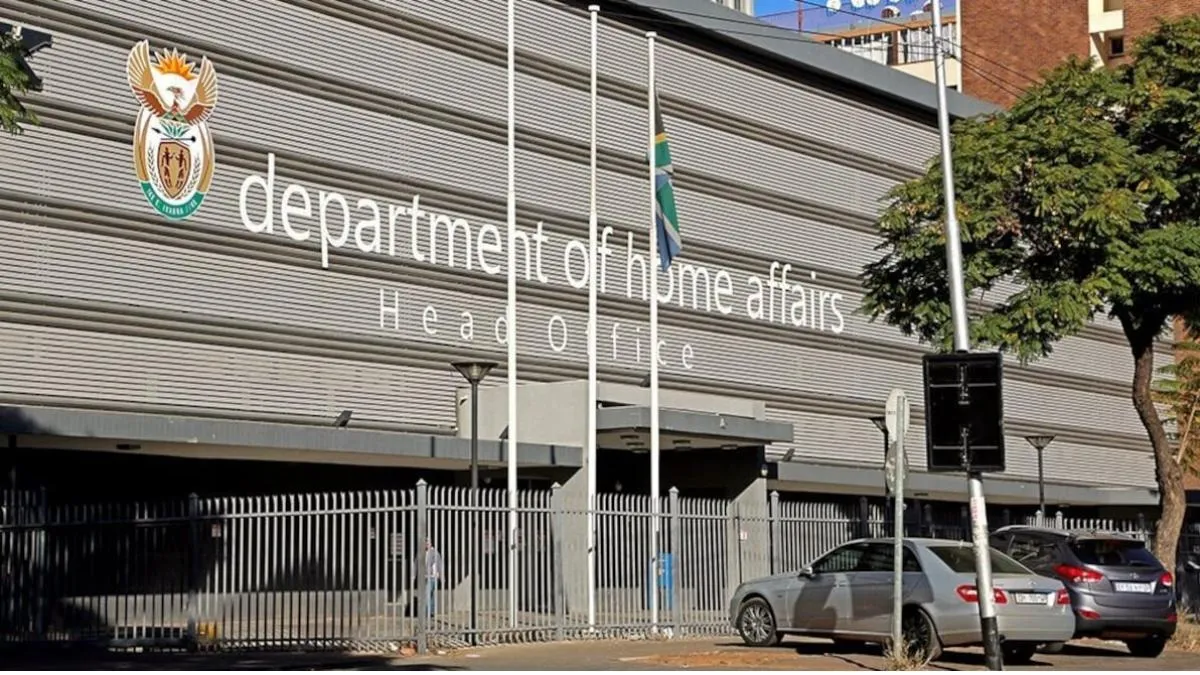
Home Affairs outlines new immigration crackdown and fast-tracking of deportations
Home Affairs new immigration crackdown and deportations are set to reshape South Africa’s approach to illegal migration, border management, and immigration enforcement. The Department of Home Affairs has unveiled a series of measures aimed at strengthening immigration controls, accelerating deportations, enhancing biometric tracking, and increasing inspections across the country.
The announcement follows recent interventions outlined by President Cyril Ramaphosa as part of broader efforts to address concerns surrounding undocumented migration, border security, and compliance with South Africa’s immigration laws.
Deputy Home Affairs Minister Njabulo Nzuza confirmed that several initiatives already have funding and resources allocated, allowing implementation to begin in the coming months. The government believes the new measures will improve immigration management while ensuring that individuals entering and residing in South Africa comply with legal requirements.
Home Affairs Plans Major Immigration Reforms
The Department of Home Affairs has introduced a comprehensive package of reforms designed to address illegal immigration and improve immigration administration.
Among the key measures are the phased relocation of refugee reception centres closer to border posts, the creation of specialised courts dedicated to deportation cases, expanded biometric tracking systems, tougher penalties for employers who violate immigration laws, and the discontinuation of South Africa’s green barcoded ID book.
Why Government Is Strengthening Immigration Controls
South Africa has long been a destination for migrants from across Africa seeking employment, business opportunities, education, and improved living conditions.
However, government officials have expressed concern about increasing numbers of undocumented migrants entering or remaining in the country without proper authorization.
The government also believes that better immigration management will support national security objectives, improve border control operations, and strengthen public confidence in the immigration system.
Biometric Tracking to Launch in July 2026
One of the most significant developments under the Home Affairs new immigration crackdown and deportations strategy is the planned expansion of biometric tracking through the Electronic Travel Authorisation (ETA) system.
The Department of Home Affairs has been tasked with implementing biometric data collection for short-stay travellers entering South Africa by July 2026.
The initiative will require visitors entering the country to provide biometric information, including fingerprints and facial recognition data, allowing authorities to monitor arrivals more effectively.
According to Nzuza, this measure addresses one of the most common immigration challenges facing South Africa today: visitors who legally enter the country but fail to leave when their authorized stay expires.
Many travellers enter South Africa on short-term visas that permit stays of up to 90 days. While most comply with immigration rules, authorities say some individuals overstay their visas and become undocumented migrants.
How Biometric Tracking Will Work
Officials say the system could assist authorities in identifying individuals through activities such as banking transactions, government services, employment records, and other interactions requiring identification. The Department of Home Affairs believes the technology will improve the country’s ability to detect visa overstays and enforce immigration regulations more efficiently.
Supporters argue that biometric tracking will modernize South Africa’s immigration management system while reducing opportunities for identity fraud and document manipulation.
Government Plans Increased Inspections
Another major component of the immigration crackdown involves expanding inspections across South Africa. The Department of Home Affairs intends to conduct more coordinated operations involving immigration officials, law enforcement agencies, and labour inspectors.
These inspections will focus on identifying undocumented migrants, verifying immigration status, and ensuring compliance with employment regulations. Authorities plan to expand these inspections nationwide as part of an ongoing effort to strengthen immigration enforcement.
Focus on Employers Breaking Immigration Laws
The government is also targeting employers who knowingly hire undocumented migrants in violation of South African labour and immigration laws.
Officials say some businesses exploit undocumented workers by paying lower wages or avoiding legal employment requirements.
Under the proposed reforms, employers found violating immigration regulations could face stricter penalties, fines, and possible legal action.
The Department of Home Affairs believes that reducing employment opportunities for undocumented migrants will discourage illegal immigration while promoting fair labour practices.
Specialised Courts to Speed Up Deportations
Currently, undocumented migrants facing deportation must appear before a magistrate before removal proceedings can continue. This process can often result in lengthy delays due to court backlogs and administrative challenges.
The proposed specialised courts would focus specifically on immigration-related cases, allowing authorities to process deportation matters more quickly and efficiently. According to Nzuza, dedicated immigration courts could significantly reduce delays and improve the effectiveness of deportation procedures.
Faster Deportation Process
Government officials argue that specialised courts will create a streamlined system for handling immigration violations. vAuthorities believe this would reduce administrative burdens on the broader court system while ensuring that deportation cases are resolved faster.
Supporters of the proposal arge that quicker processing will strengthen immigration enforcement and reduce the costs associated with prolonged detention and legal proceedings.
South Africa Seeks Shared Deportation Costs
The financial cost of deportations remains a significant challenge for South Africa.
According to the Department of Home Affairs, the government spends substantial amounts of money each year transporting undocumented migrants back to their countries of origin.
Nzuza has indicated that government officials are exploring options to recover some of these costs through cooperation with foreign governments.
The proposal would involve discussions with embassies and diplomatic representatives regarding financial contributions toward the deportation of their citizens.
Diplomatic Discussions Underway
Government officials say consultations are already taking place with relevant departments and foreign missions.
The objective is to develop a framework that would allow countries to assist with deportation expenses when their citizens are returned from South Africa.
While no formal agreements have yet been announced, officials believe the approach could help reduce the financial burden currently carried by South African taxpayers.
The discussions form part of broader efforts to improve cooperation between South Africa and neighbouring countries on migration management and border security.
YOU MAY LIKE:
Nigeria to repatriate citizens from SA, first flight leaves Wednesday
What These Changes Mean for South Africa
The Home Affairs new immigration crackdown and deportations initiative represents one of the most comprehensive immigration enforcement programmes introduced in recent years. The combination of biometric tracking, increased inspections, specialised courts, stronger employer penalties, and improved border controls signals a significant shift in how South Africa intends to manage immigration.
Supporters argue that the reforms will strengthen national security, improve compliance with immigration laws, and enhance the efficiency of government operations. Critics, however, have cautioned that implementation must balance enforcement with human rights protections and fair treatment of migrants.
For now, South Africans can expect increased immigration inspections, enhanced biometric monitoring, and a stronger focus on deportation enforcement as government seeks to address long-standing concerns surrounding illegal immigration and border management.
References from mainstream media
- EYEWITNESS NEWS- Home Affairs outlines new immigration crackdown and fast-tracking of deportations
- iOL – How the government plans to tackle illegal immigration in South Africa
Keep the News Flowing – Buy the Team a Coffee! ☕

Love the updates? Help us stay on the beat! Whether it’s a quick one-time donation or a monthly subscription, your support keeps the eKayNews lights on and the stories flowing.
-
Secure & Simple: We use PayFast for total transaction peace of mind.
-
Make an Impact: Every “coffee” you send directly supports our newsroom.
Your Brand, Our Audience: Let’s Make Headlines Together! 🚀

Looking for real engagement? At eKayNews, we don’t just share news—we build connections. Whether you’re a local startup or a growing business, our advertising packages are designed to put your brand in front of a loyal, highly engaged audience.
Choose Your Spotlight:
-
Link Booster (R2,500): Dominate the feed with 7 links across 7 days.
-
Permanent Feature (R4,000): Your story, hosted on our site for a lifetime.
-
Prime Visibility (R5,000): Claim the top spot with a 30-day homepage banner.
Ready to grow? 📩 Email us: info@ekaynews.co.za 💬 WhatsApp us: +27 71 096 1185
Get Connected:
-
Facebook & X (Twitter) : Follow us for real-time updates and community debates.
-
WhatsApp Channel: Get exclusive alerts sent directly to your phone.
Stay informed, ahead, connected with the eKayNews family!