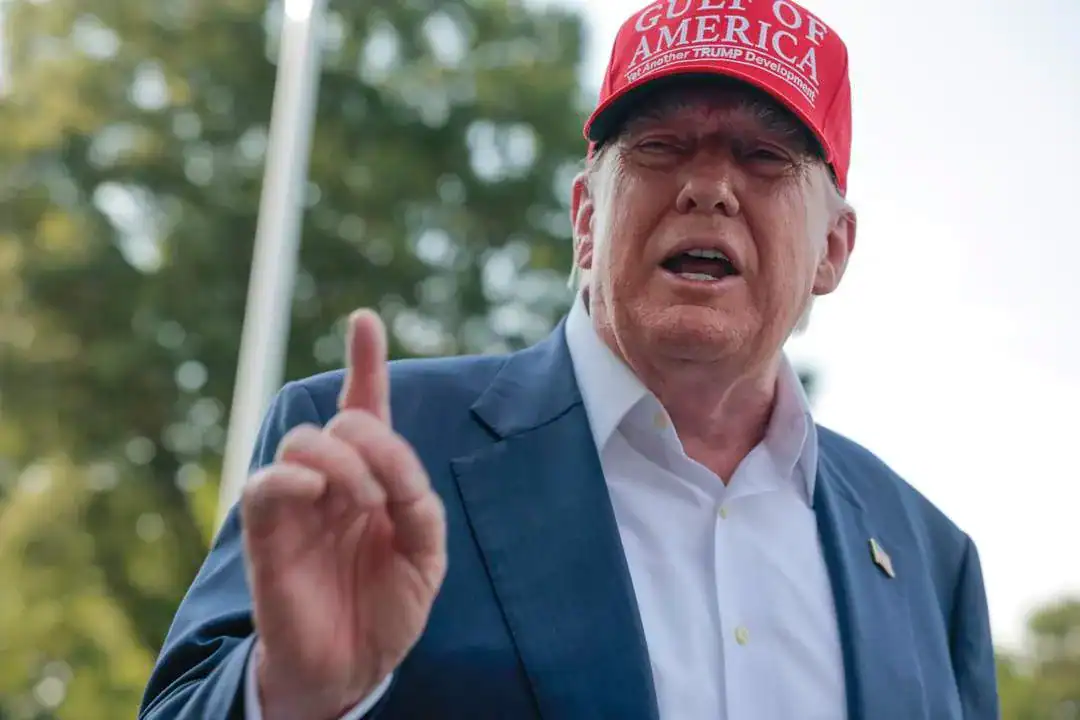
Trump imposes 30% tariff on South African exports
Trump imposes 30% tariff on South African exports in a move that has shocked global markets and raised concerns among developing nations. The announcement, made by the White House earlier this week, confirms that the tariff will be enforced starting August 1, affecting a wide range of goods shipped from South Africa to the United States.
A major shift in US trade policy
This decision signals a significant shift in US trade policy, especially in relation to Africa. Previously, South Africa enjoyed preferential treatment under trade agreements like the African Growth and Opportunity Act (AGOA), allowing many of its goods duty-free access to US markets.
However, with the Trump tariff now set to take effect, key industries in South Africa are bracing for impact. Sectors such as mining, agriculture, automotive, and manufacturing are expected to be the hardest hit. Experts warn that the 30% tariff could lead to reduced export volumes, job losses, and broader economic instability.
Impact on South African exports
South Africa’s Department of Trade, Industry and Competition (DTIC) expressed deep concern over the imposition of the Trump tariff. Officials indicated that discussions with US trade representatives were ongoing, but a resolution before the August 1 implementation seems unlikely.
According to trade analysts, South African wine, citrus fruits, automotive parts, and metals like platinum and manganese are among the key exports that will now face the hefty duty. These goods contribute significantly to the nation’s GDP and foreign earnings. The 30% tariff could severely undermine their competitiveness in the US market.
Trump’s reasoning and political motives
The White House stated that the move aims to “rebalance trade relations and protect American industries from unfair competition.” President Donald Trump has long emphasized his “America First” approach, previously targeting nations like China, Mexico, and members of the European Union with similar tariff measures.
Analysts believe the decision to target South Africa may also be linked to geopolitical dynamics, particularly its growing alignment with BRICS nations — Brazil, Russia, India, China, and South Africa. Trump has often criticized multilateral trade partnerships that he views as disadvantageous to the US.
Reactions from South African leaders
South African President Cyril Ramaphosa condemned the tariffs, calling them “unjustified and harmful to development goals.” He vowed to take the matter to the World Trade Organization (WTO) and seek solidarity from fellow developing nations.
Ramaphosa emphasized the long-standing economic partnership between South Africa and the US, urging Trump to reconsider. “This action undermines the principles of fair trade and mutual benefit,” he said.
Meanwhile, South African exporters are already feeling the pressure. The Citrus Growers Association warned that thousands of seasonal jobs could be lost if US demand drops due to higher prices. Similarly, the South African Automotive Industry Association (Naamsa) said manufacturers might need to redirect shipments to Europe or Asia.
Potential global trade implications
The Trump tariff not only threatens South Africa’s economy but also raises broader questions about global trade stability. Many fear that this could spark a new wave of retaliatory tariffs from other developing nations.
Economists suggest that this move could discourage foreign investment in South Africa, as global companies look to avoid the impact of increased export costs. Some investors are reportedly reassessing their exposure to South African industries linked to US exports.
August 1 implementation looms
With the August 1 implementation deadline fast approaching, businesses are scrambling to make adjustments. Exporters are exploring new logistics routes, renegotiating contracts, and in some cases, temporarily halting production.
Trade organizations are urging the US administration to delay the tariff to allow for further negotiations. However, President Trump has remained firm, tweeting that “unfair trade is no longer acceptable” and that “America will not be taken advantage of.”
What this means for consumers
American consumers may also feel the effects of the Trump tariff. Imported South African goods — from specialty wines to high-quality fruits and metals — could see price hikes. Retailers may need to pass on these costs to buyers, contributing to inflation in niche markets.
Industry insiders predict that smaller US businesses that rely on South African imports could suffer more than multinational corporations with broader supply chains.
Will Congress or courts intervene?
There is growing pressure within the US Congress to scrutinize President Trump’s use of executive powers on trade matters. Several lawmakers from both parties have called for hearings to evaluate the economic justification of such tariffs and their impact on developing country partnerships.
Legal experts say affected South African firms could potentially challenge the tariffs in US courts under existing trade agreements. However, such legal processes are often lengthy and uncertain.
The road ahead for US-South Africa trade
While diplomatic negotiations continue behind the scenes, the future of US-South Africa trade relations remains unclear. Analysts believe that restoring favorable terms may depend on a broader reset of trade strategy under a new US administration — if or when that occurs.
In the meantime, the South African government is encouraging local producers to diversify export markets and reduce dependency on the US. Emerging trade partnerships with Asia and intra-African trade zones may become increasingly important.
Conclusion
Trump imposes 30% tariff on South African exports — a bold and controversial move that could reshape economic relations between the two countries. As the August 1 implementation date nears, affected industries, workers, and policymakers must prepare for a challenging adjustment period. Whether through negotiation, legal action, or strategic pivoting, South Africa will need to respond decisively to this disruptive change in US trade policy.
Here are five mainstream South African media references covering the tariff news:
-
News24 – “Trump hits SA with 30% tariff”
US President Donald Trump has imposed a 30% tariff on South African exports to the US, which will come into effect on 1 August news24.com+15news24.com+15news24.com+15
🔗 Read more -
News24 – “Ramaphosa fires back over Trump’s 30% tariff strike”
South African President Cyril Ramaphosa condemns the move and responds firmly en.wikipedia.org+10news24.com+10news24.com+10reuters.com+5news24.com+5en.wikipedia.org+5
🔗 Read more -
TimesLIVE – “‘Unfair’ US 30% tariff on SA spurs Ramaphosa to accelerate negotiations”
Critique of tariff rate and detail on ongoing diplomatic engagement news24.comtimeslive.co.za
🔗 Read more -
eNCA – “Ramaphosa responds to Trump’s 30% tariff”
Summary of the South African president’s official response dailymaverick.co.za+7enca.com+7timeslive.co.za+7
🔗 Read more -
IOL – “Trump slaps SA with 30% tariffs – demands local companies move manufacturing to the US”
Coverage of the tariff decision and the administration’s rationale enca.comiol.co.zatimeslive.co.za+1news24.com+1
🔗 Read more