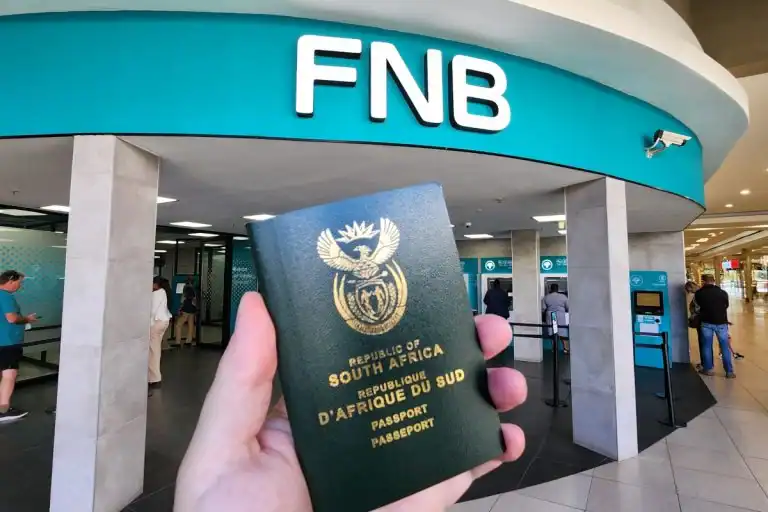
Bank-based smart ID and passport system in South Africa
The Department of Home Affairs has announced a major transformation — the launch of a bank-based smart ID and passport system in South Africa. This new initiative will see partnerships with financial institutions to make obtaining IDs and passports more accessible, efficient, and digitally integrated.
In a statement released on Monday, Home Affairs Minister Leon Schreiber confirmed that Capitec Bank and First National Bank are the first to sign up for the department’s digital partnership model. This move will expand services from just 30 bank branches to hundreds across both urban and rural areas, providing a massive leap in public service delivery.
How the Digital Partnership Works
For years, the department has collaborated with selected banks to provide limited ID and passport services. However, the old model depended heavily on duplicating Home Affairs staff and equipment in bank branches. While it was functional, it was costly and limited in reach.
The new Home Affairs digital partnership eliminates these constraints by leveraging secure banking platforms, apps, and existing branch infrastructure. Citizens will be able to book appointments, submit applications, and complete transactions more conveniently.
Benefits for Citizens
This initiative ensures that millions of South Africans will no longer need to travel long distances or face lengthy queues at Home Affairs offices. Instead, smart ID cards and passport services will be available at their nearest bank branches, with secure digital systems enabling faster processing times.
By partnering with banks, the department taps into existing customer service networks, increasing efficiency and reliability.
Nationwide Accessibility
One of the most transformative aspects of this programme is its nationwide reach. From rural villages to busy metropolitan areas, the bank-based smart ID and passport system in South Africa will bridge service gaps that have existed for decades.
According to Home Affairs Director-General Tommy Makhode, this change was driven by the need to provide equal access to all citizens, regardless of location, while using technology to streamline operations.
A Decade-Long Collaboration Evolved
The original bank collaboration began over ten years ago, serving as a pilot to test feasibility. While successful, it lacked the scale needed to truly serve the nation. The new model replaces that limited approach with a system capable of expanding to hundreds of branches and integrating with secure digital platforms.
Future Prospects
The department has invited all major banks to join the initiative. As more institutions come on board, South Africans can expect greater coverage, shorter waiting times, and improved service quality.
This is not just an administrative improvement — it is a significant step towards a fully digital public service ecosystem.