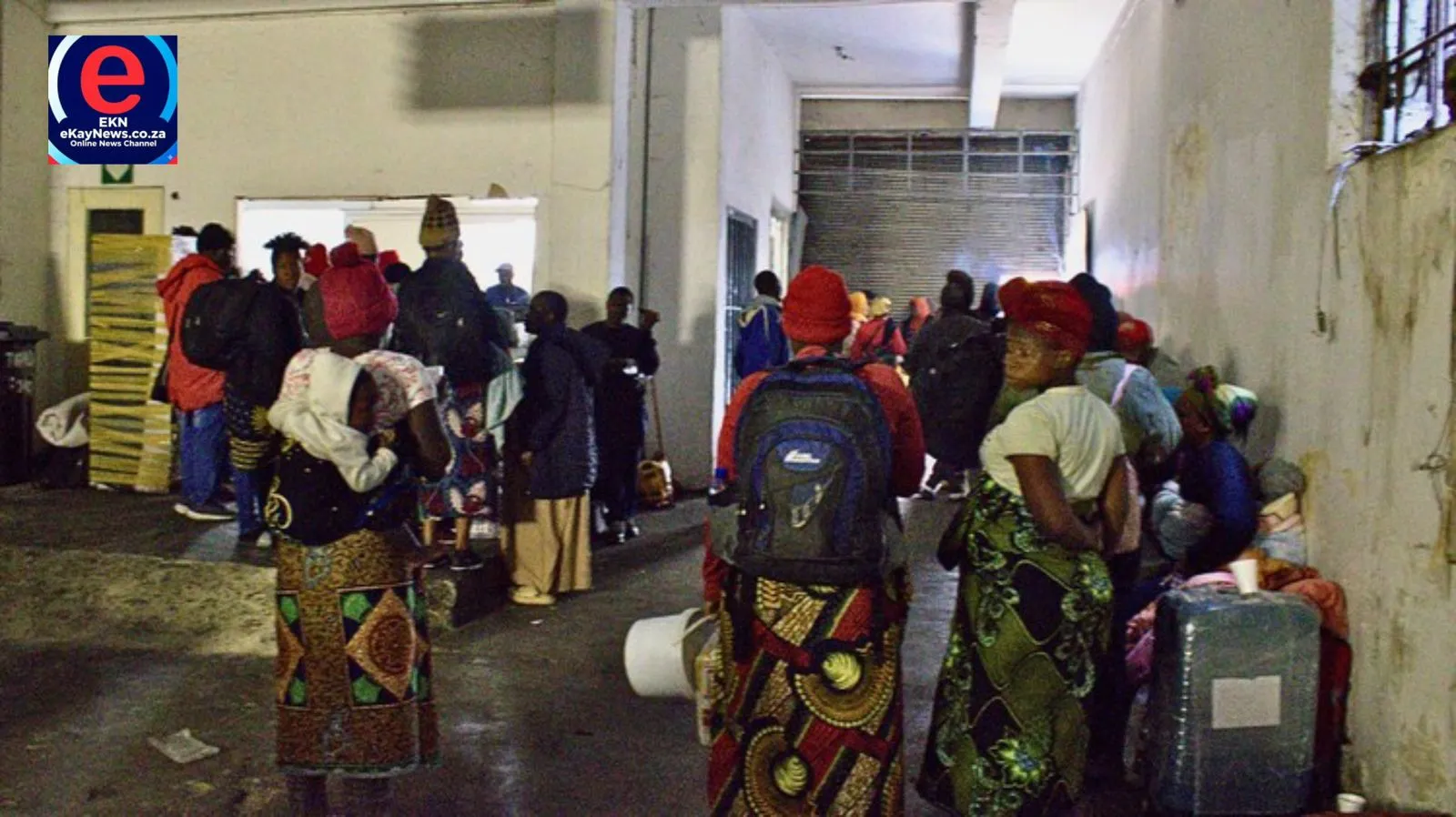
500 Malawians stranded in Joburg as repatriation buses hit permit snag
500 Malawians Stranded in Joburg After Bus Permit Crisis has become a humanitarian concern in South Africa after hundreds of Malawian nationals were unexpectedly left in Johannesburg when buses arranged to repatriate them home lacked the necessary permits to cross the border.
The group, consisting largely of women and children, expected to travel directly to Malawi from Cape Town and Durban. Instead, they found themselves stranded in Johannesburg after transport operators were unable to legally proceed across the border due to permit complications.
Authorities, non-governmental organisations, churches, and diplomatic representatives are now working together to ensure the safe return of the affected migrants.
Malawian Nationals Stranded in Johannesburg After Failed Repatriation Journey
The crisis unfolded when seven buses carrying Malawian migrants departed from Cape Town and Durban as part of a repatriation effort.
Passengers believed they were heading home to Malawi after completing immigration processes in South Africa. However, the buses lacked the required permits to cross international borders.
As a result, the vehicles were forced to divert to Johannesburg, where passengers were dropped off at the Malawi consulate Sandton over the weekend.
The unexpected turn of events left approximately 500 people stranded without clear information regarding their next steps.
Many families had already exhausted their resources and expected to arrive in Malawi within days.
Instead, they were confronted with uncertainty, temporary accommodation challenges, and concerns about basic necessities.
How the Repatriation Crisis Began
The Malawian repatriation buses involved in the operation included four buses travelling from Cape Town and three from Durban.
The transportation arrangement was intended to assist Malawian nationals wishing to return home amid ongoing immigration management efforts in South Africa.
However, transport authorities reportedly discovered that the buses lacked the permits required for international travel.
Without legal authorisation to cross into neighbouring countries, operators were unable to continue their journey to Malawi.
The buses ultimately transported passengers to Johannesburg, creating an unexpected humanitarian challenge for local authorities and aid organisations.
Families Left Without Answers
Many passengers were shocked when they learned they would not be crossing the border as planned.
According to community organisations assisting the group, most migrants believed their paperwork and travel arrangements had already been finalised.
Instead of arriving in Malawi, they found themselves waiting outside diplomatic offices and relying on emergency assistance.
The situation created significant anxiety among families eager to reunite with relatives after spending months or years in South Africa.
NGOs Step In to Provide Emergency Assistance
As news of the stranded migrants spread, community organisations and NGOs quickly mobilised to offer support.
Tessa Dooms, representing several organisations involved in the relief effort, said many migrants arrived without food, water, or alternative accommodation.
Humanitarian groups immediately began distributing:
- Food supplies
- Drinking water
- Blankets
- Essential hygiene products
- Emergency shelter assistance
Dooms explained that many of the migrants had expected to already be across the border and therefore carried limited provisions.
The rapid response from civil society helped prevent a deeper humanitarian crisis.
Home Affairs Initially Unaware
According to Dooms, officials from the Department of Home Affairs were initially unaware that hundreds of migrants had been dropped off in Johannesburg.
Authorities reportedly believed that all repatriation buses had successfully left South Africa.
The communication breakdown delayed official intervention and highlighted the complexity of managing large-scale migrant repatriation operations.
Temporary Shelter Offered by Churches
One of the most immediate concerns was finding safe accommodation for hundreds of stranded migrants.
Initially, a Malawian pastor offered shelter at a small church in Newlands.
While the gesture provided immediate relief, the facility quickly became overcrowded due to the large number of people requiring assistance.
Local residents expressed concerns about the sudden influx of people, prompting organisers to seek alternative accommodation.
New Shelter Provides Better Conditions
The migrants were subsequently relocated to another church facility better equipped to accommodate large groups.
Church leader Mike Tembo confirmed that his congregation was assisting approximately 500 people.
The church has been providing:
- Sleeping areas
- Daily meals
- Blankets
- Basic healthcare support
Tembo described the situation as challenging but manageable with support from volunteers and aid organisations.
The response has demonstrated the important role faith-based organisations often play during humanitarian emergencies.
Babies Born During Displacement
One of the most remarkable aspects of the crisis has been the resilience displayed by affected families.
Reports indicate that several babies were born while their families were stranded in Johannesburg.
Medical teams, including support from Doctors Without Borders, assisted mothers and newborns during the difficult circumstances.
Healthcare workers ensured that both mothers and infants received necessary medical attention despite the temporary living conditions.
The births served as a reminder of the human stories behind the migration crisis and the urgency of finding a lasting solution.
Home Affairs Immigration Response Under Scrutiny
The incident has intensified scrutiny of the Home Affairs immigration response as South African authorities manage growing migration challenges.
The Department of Home Affairs is already dealing with thousands of immigration-related cases in Durban and other regions.
Officials face increasing pressure to process, accommodate, and where appropriate, repatriate foreign nationals efficiently and humanely.
The unexpected situation involving the stranded Malawian nationals has raised questions about oversight, coordination, and transport verification procedures.
Government Investigating Circumstances
Justice Minister Mmamoloko Kubayi addressed the issue through a social media statement.
Kubayi stressed that buses officially processed through government channels are normally escorted by law enforcement officers to designated border crossings.
She stated that no officially authorised buses had been recorded dropping passengers elsewhere in South Africa.
The minister described reports of migrants being abandoned in various locations as both “inhumane” and “unlawful.”
Authorities are continuing investigations to determine exactly how the permit issues occurred.
Malawi Consulate Sandton Assisting Repatriation Efforts
The Malawi consulate Sandton has become a central coordination point for efforts to resolve the crisis.
Diplomatic officials are working closely with South African authorities and humanitarian organisations to verify identities and facilitate travel arrangements.
Government representatives from Malawi are also helping confirm documentation and citizenship status for affected individuals.
This verification process is essential before final transport arrangements can proceed.
Officials remain optimistic that the remaining migrants will be repatriated soon.
South Africa Migrant Repatriation Challenges
The incident highlights broader challenges facing South Africa migrant repatriation programmes.
Managing large numbers of migrants requires coordination between:
- Immigration authorities
- Transport providers
- Foreign governments
- Humanitarian organisations
- Local communities
Any breakdown in communication or logistics can have significant consequences.
Experts note that repatriation operations must involve strict verification of transport permits, passenger records, and border requirements before departures occur.
The Johannesburg incident demonstrates the risks associated with inadequate planning and oversight.
Collaboration Between Stakeholders
Despite the difficulties, cooperation between multiple stakeholders has helped stabilise the situation.
Organisations currently involved include:
- Department of Home Affairs
- Department of Justice and Constitutional Development
- Malawian High Commission
- Local churches
- Community organisations
- Humanitarian NGOs
- Medical support agencies
Their combined efforts have ensured that stranded migrants continue receiving essential services while authorities finalise travel arrangements.
Migrants Want to Return Home
According to aid workers, the overwhelming majority of affected migrants simply want to complete their journey home.
Dooms noted that every migrant spoken to during recent consultations expressed a desire to return to Malawi as quickly as possible.
Many are eager to reunite with family members and resume their lives after the uncertainty of recent days.
Their patience and cooperation have helped authorities manage an otherwise difficult situation.
Looking Ahead
Officials remain confident that the crisis will be resolved soon.
Verification procedures are ongoing, and discussions between South African and Malawian authorities continue.
Once final approvals are secured, new transportation arrangements are expected to be made.
The incident will likely prompt a review of repatriation procedures to prevent similar situations in the future.
Ensuring proper documentation, transport permits, and communication channels will be essential to avoiding future disruptions.
YOU MAY LIKE:
Conclusion
The 500 Malawians Stranded in Joburg After Bus Permit Crisis story highlights both the challenges and the human realities of migrant repatriation operations. What began as a routine effort to return Malawian nationals home turned into a significant humanitarian situation affecting hundreds of vulnerable people.
While permit issues disrupted the journey, the swift intervention of churches, NGOs, medical teams, diplomatic officials, and government departments has provided hope that the crisis will soon be resolved. As authorities continue working together, the focus remains on ensuring that the stranded migrants can finally complete their journey home safely and with dignity.
References
- News24 – Hundreds of Malawian migrants stranded in Johannesburg after repatriation delays
News24 South Africa News - TimesLIVE – Home Affairs responds to migrant repatriation challenges in South Africa
TimesLIVE South Africa News - Daily Maverick – Migration, border management and repatriation issues in South Africa
Daily Maverick South Africa
Keep the News Flowing – Buy the Team a Coffee! ☕

Love the updates? Help us stay on the beat! Whether it’s a quick one-time donation or a monthly subscription, your support keeps the eKayNews lights on and the stories flowing.
-
Secure & Simple: We use PayFast for total transaction peace of mind.
-
Make an Impact: Every “coffee” you send directly supports our newsroom.
Your Brand, Our Audience: Let’s Make Headlines Together! 🚀

Looking for real engagement? At eKayNews, we don’t just share news—we build connections. Whether you’re a local startup or a growing business, our advertising packages are designed to put your brand in front of a loyal, highly engaged audience.
Choose Your Spotlight:
-
Link Booster (R2,500): Dominate the feed with 7 links across 7 days.
-
Permanent Feature (R4,000): Your story, hosted on our site for a lifetime.
-
Prime Visibility (R5,000): Claim the top spot with a 30-day homepage banner.
Ready to grow? 📩 Email us: info@ekaynews.co.za 💬 WhatsApp us: +27 71 096 1185
Get Connected:
-
Facebook & X (Twitter) : Follow us for real-time updates and community debates.
-
WhatsApp Channel: Get exclusive alerts sent directly to your phone.
Stay informed, ahead, connected with the eKayNews family!