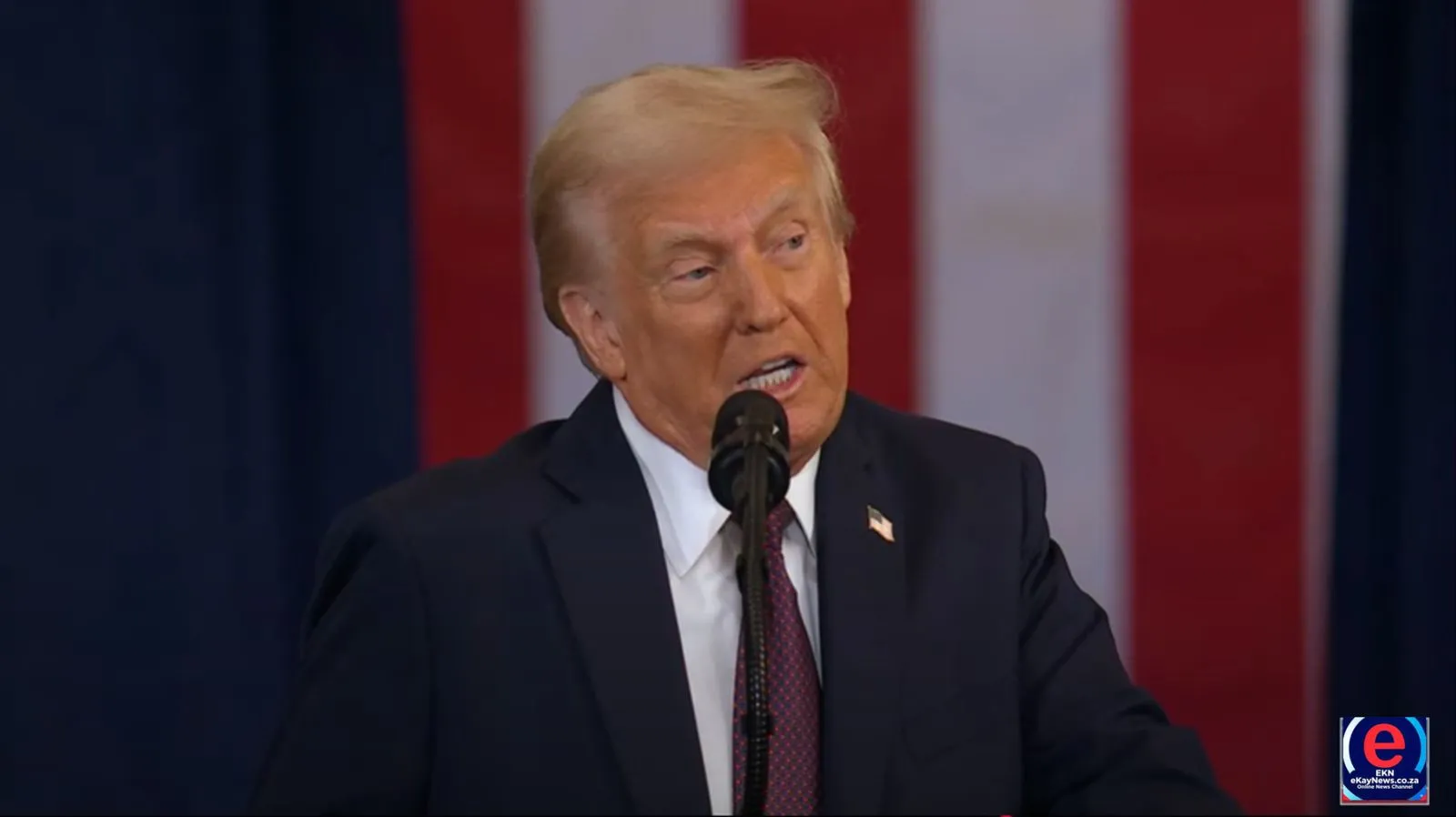
US Offers 15-Point Plan To Iran As It Sends More Troops Coming To Middle East
US Offers 15-Point Plan to Iran as Middle East Troops Grow, marking a critical moment in global geopolitics as Washington attempts to balance diplomacy with military deterrence. The unfolding situation presents a complex mix of negotiation signals and strategic force deployment, leaving the international community questioning whether peace or escalation lies ahead.
At the center of this crisis is a growing contradiction. The United States insists that diplomatic efforts are underway, while Iran has firmly denied any active negotiations. This disconnect has created a volatile environment where perception, strategy, and reality are dangerously misaligned.
A Dual Strategy: Diplomacy Meets Military Pressure
When the US Offers 15-Point Plan To Iran As It Sends More Troops Coming To Middle East, it reflects a classic “carrot and stick” approach to foreign policy. On one hand, Washington is pushing a comprehensive diplomatic framework aimed at stabilizing the region. On the other, it is reinforcing its military presence across key strategic locations in the Middle East.
According to officials, additional US troops, naval assets, and air defense systems have been deployed to deter Iranian aggression and protect allied nations. This move comes amid rising fears of broader regional conflict, particularly involving key shipping routes and energy infrastructure.
However, the timing of these deployments—coinciding with claims of diplomatic progress—has raised concerns among analysts. Critics argue that increasing military pressure while promoting negotiations could undermine trust and make meaningful dialogue more difficult.
The Diplomatic Disconnect Between Washington and Tehran
A major challenge in this unfolding crisis is the stark contrast in messaging from both sides. While the White House suggests that Iran is engaging indirectly in discussions, Tehran has categorically rejected these claims.
Iranian officials maintain that no formal negotiations are taking place and have accused the United States of attempting to manipulate global perception. This denial is rooted in domestic political considerations, as appearing to negotiate under military pressure could be interpreted as weakness.
For the Iranian leadership, maintaining an image of resistance is essential. As a result, even if backchannel communications exist, public acknowledgment remains unlikely.
Inside the 15-Point Plan
Though the full details remain classified, diplomatic sources indicate that the proposed framework includes a wide range of measures designed to reduce tensions and establish long-term stability.
Key elements reportedly include:
- Nuclear Restrictions: Reintroducing strict limits on uranium enrichment
- Sanctions Relief: Gradual easing of economic sanctions in exchange for compliance
- Regional De-escalation: Reducing support for allied militant groups across the region
- Maritime Security: Guarantees for safe passage through strategic waterways
- Monitoring Mechanisms: International oversight to ensure adherence to agreements
The plan aims to revive elements of previous nuclear agreements while addressing newer geopolitical challenges. However, without direct negotiations, its implementation remains uncertain.
Qatar’s Delicate Balancing Act
As tensions rise, regional players are being forced into increasingly difficult positions. Qatar has emerged as a key actor navigating this crisis.
Qatar maintains strong defense ties with the United States while also sharing significant economic and energy interests with Iran. This dual relationship places Doha in a unique but precarious position.
The country hosts the Al Udeid Air Base, the largest US military installation in the Middle East. Despite this, Qatari officials have publicly opposed military escalation and emphasized the need for regional stability.
Foreign Ministry spokesperson Majid al-Ansari recently stated that Qatar is not currently mediating direct talks between the US and Iran, signaling a shift from its traditional diplomatic role.
Backchannel Diplomacy: Quiet but Crucial
While official negotiations may not be taking place, communication between the two sides has not completely broken down. Instead, messages are being passed through intermediary nations such as Turkey, Pakistan, and Egypt.
These backchannels allow for the exchange of proposals, warnings, and strategic signals without formal engagement. However, this indirect approach has limitations. It slows down decision-making, increases the risk of miscommunication, and lacks the authority of direct negotiations.
As a result, while diplomacy continues behind closed doors, progress remains fragile and uncertain.
The Strategic Importance of the Strait of Hormuz
At the heart of the crisis lies one of the world’s most critical energy chokepoints: the Strait of Hormuz.
This narrow passage handles approximately 20% of global oil shipments, making it a vital artery for the international economy. Iran’s geographic position gives it significant influence over this route, and any disruption could send shockwaves through global markets.
In recent weeks, Iranian officials have signaled a desire to maintain greater control over the Strait, using it as leverage in negotiations. Meanwhile, the US military buildup is partly aimed at ensuring that shipping lanes remain open and secure.
The stakes could not be higher. Any miscalculation in this region could trigger a global energy crisis.
Rising Tensions and Regional Risks
The continued military buildup and absence of clear diplomatic progress have heightened fears of a broader conflict. Gulf states, many of which host US military assets, are particularly vulnerable.
These nations worry that they could become targets in the event of escalation, especially given their proximity to Iran and their strategic importance.
At the same time, global markets remain highly sensitive to developments in the region. Oil prices, shipping costs, and investor confidence are all directly tied to stability in the Middle East.
YOU MAY LIKE:
Tehran vows to fight on, rejecting Trump’s peace talk claims
Conclusion: A Region on the Edge
US Offers 15-Point Plan To Iran As It Sends More Troops Coming To Middle East, but the path forward remains uncertain. The combination of military posturing and ambiguous diplomacy has created a high-stakes environment where missteps could have far-reaching consequences.
Until both sides move beyond public denials and engage in genuine, direct dialogue, the risk of escalation will continue to loom large. For now, the world watches closely, aware that the next move could determine the future of regional—and potentially global—stability.
References (Mainstream Media with Links)
- BBC News – US-Iran tensions and Middle East developments
https://www.bbc.com/news/world-middle-east - Reuters – Coverage on US troop deployments and Iran relations
https://www.reuters.com/world/middle-east/
Keep the Headlines Fresh!

Quality news takes time, effort, and a whole lot of coffee. If you value what we do at eKayNews, consider “buying a round” for the team!
-
Join the Inner Circle: Set up a custom subscription.
-
The Instant Jolt: Send a one-time “coffee” donation.
Why trust us? We use PayFast for 100% secure, encrypted transactions. Your data stays yours; the news stays ours.
To our amazing readers: You’re the reason we’re first on the scene. Thanks for being part of the family!
Feel the Pulse of the News with eKayNews!

Join the ever-growing eKayNews community and stay connected to the stories that matter. Follow us on Facebook, X, and WhatsApp for real-time updates, breaking news, and exclusive alerts straight to your feed. Your support keeps us digging deeper and sharing the news you can trust.
Stay Connected:
-
Facebook: [eKayNews on Facebook]
-
X (Twitter): [eKayNews on X]
-
WhatsApp: [Join the eKayNews WhatsApp Channel]
Become part of our inner circle and get instant news alerts as events unfold across South Africa and beyond!
Promote Your Brand with eKayNews
Looking to reach a wide, engaged audience? Explore our advertising packages:
-
Link Booster: 7 links to 7 articles over 7 days – R2,500
-
Permanent Feature: Sponsored blog article hosted permanently – R4,000
-
Prime Visibility: Home page banner ad for 30 days – R5,000
Don’t miss your chance to connect with our audience. Book your package today via email at info@ekaynews.co.za or WhatsApp us on +27710961185.
Be part of a platform where news meets community—stay informed, stay ahead, stay with eKayNews!