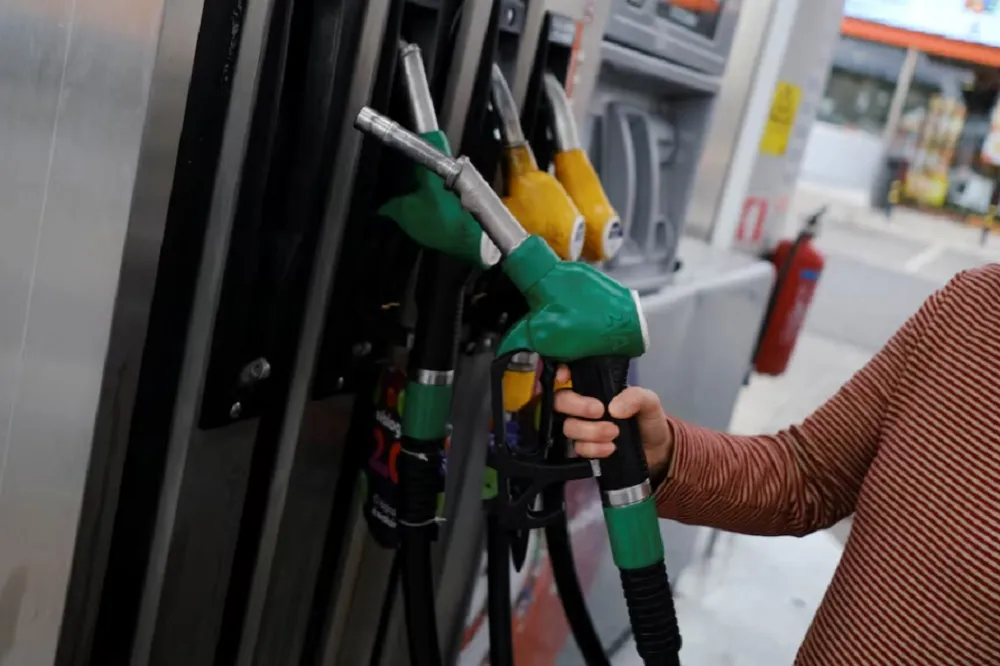
Petrol goes up by R3,06 per litre, diesel by R7,37: A Historic Fuel Price Increase
Petrol goes up by R3,06 per litre, diesel by R7,37, marking one of the most severe financial blows to South African motorists, businesses, and consumers in recent memory. The sudden and steep climb in energy costs has sent shockwaves through the local economy, prompting widespread concern about the rising cost of living. This massive adjustment comes at a time when consumers are already heavily burdened by inflationary pressures, making the newly announced tariffs a critical turning point for household budgets and commercial logistics alike.
As the news circulates across the nation, citizens are bracing for the inevitable ripple effects. When basic energy costs surge to this unprecedented degree, the impact extends far beyond the filling station. It touches every aspect of the supply chain, from the delivery of fresh produce to supermarket shelves to the daily commute of millions of workers. In this comprehensive eKayNews report, we break down exactly what these numbers mean, how the government is attempting to intervene, and what to expect in the coming weeks.
Department of Mineral and Petroleum Resources Confirms New Rates
The official directive was handed down this week, leaving very little room for consumers to prepare. The Department of Mineral and Petroleum Resources has formally announced an incredible increase in the price of fuel, which will come into full effect starting Wednesday, 1 April.
According to the official gazette and press briefings, both grades of petrol (93 and 95 ULP and LRP) will see an eye-watering hike of R3,06 per litre. However, the commercial and industrial sectors are facing an even steeper cliff. Both grades of diesel (0.05% and 0.005% sulphur) will shoot up by between R7,37 and R7,51 per litre. Because Petrol goes up by R3,06 per litre, diesel by R7,37, the logistics and transport industries are currently scrambling to recalculate their freight rates and operational costs for the upcoming quarter.
The Direct Impact on Petrol and Diesel Consumers
The sheer scale of this fuel price increase cannot be overstated. For the average motorist driving a standard passenger vehicle with a 50-litre tank, this means paying over R150 more just to fill up with petrol. For the minibus taxi industry, which relies heavily on daily refueling to transport millions of South Africans to work and school, this operational spike will likely force urgent discussions around fare increases.
The diesel hike is particularly alarming for the broader economy. Because the majority of South Africa’s goods—including essential food items, medical supplies, and construction materials—are transported via road freight, the R7,37 to R7,51 per litre increase will drastically inflate transport overheads. Farmers, who rely heavily on diesel for tractors, harvesters, and generators to mitigate load-shedding, will also face skyrocketing production costs. Ultimately, when Petrol goes up by R3,06 per litre, diesel by R7,37, these compounding costs are historically passed directly down to the end consumer at the retail till point.
Government Intervention and the General Fuel Levy
In an attempt to soften this catastrophic blow, the national government has been forced to implement emergency fiscal measures. The latest, historic adjustments to the fuel price come after the government stepped in to temporarily cut the general fuel levy.
Authorities have agreed to slash the general fuel levy by R3 a litre. However, this is not a permanent solution. The reduction is strictly for a one-month period, officially ending on the 5th of May. While this temporary reprieve prevents the price at the pump from climbing even higher in April, it places a massive burden on the national treasury.
This desperate intervention is expected to cost the fiscus around R6 billion in lost revenue over just 30 days. The general fuel levy is traditionally a critical revenue stream for the government, funding vital infrastructure projects, road maintenance, and public services. Sacrificing R6 billion in tax collection highlights the absolute severity of the current energy crisis, but it also raises serious questions about what will happen to prices when the relief period expires in early May.
The Hidden Crisis: Illuminating Paraffin
While the headlines boldly state that Petrol goes up by R3,06 per litre, diesel by R7,37, there is another deeply concerning statistic buried in the announcement from the Department of Mineral and Petroleum Resources. Illuminating paraffin, a vital energy source for millions of marginalized and low-income households, sees the highest increase on record.
The price of illuminating paraffin will surge by a staggering R11,67 per litre. This specific fuel price increase is a devastating blow to the most vulnerable sectors of society. For communities that rely on paraffin for cooking, heating, and basic lighting, an increase of nearly R12 per litre represents an immediate and severe threat to basic household food security and warmth, especially as the country edges closer to the colder winter months.
Preparing for the Economic Fallout
The reality that Petrol goes up by R3,06 per litre, diesel by R7,37 will dictate the economic narrative for the foreseeable future. Economists and financial analysts are already warning consumers to tighten their belts. The temporary reduction in the general fuel levy is a welcome band-aid, but it does not cure the underlying volatility of global oil markets and local currency fluctuations driving these hikes.
Here is what consumers and businesses need to anticipate in the wake of this fuel price increase:
-
Rising Food Costs: As agricultural and transport costs surge due to the diesel hike, grocery prices will inevitably climb. Consumers should prepare for higher till slips in the coming weeks.
-
Public Transport Fare Adjustments: The taxi and bus industries will struggle to absorb the R3,06 petrol and R7,37 diesel increases. Commuters should budget for potential fare hikes.
-
May Price Shock: Citizens must remain acutely aware that the R3 general fuel levy relief expires on the 5th of May. Unless global oil prices plummet significantly before then, South Africans could face another severe price shock when that tax is reinstated.
YOU MAY LIKE:
Conclusion
The announcement by the Department of Mineral and Petroleum Resources is a stark reminder of our economy’s vulnerability to energy shocks. As Petrol goes up by R3,06 per litre, diesel by R7,37, the resilience of the South African consumer will be tested once again.
references from mainstream media covering the historic fuel price increase and the government’s temporary intervention on the general fuel levy, complete with their respective links:
-
SABC News – Petrol goes up by R3,06 per litre, diesel by R7,37 https://www.sabcnews.com/sabcnews/petrol-goes-up-by-r306-per-litre-diesel-by-r737/
-
Sunday World – State leaves poor in the cold as paraffin prices jump https://sundayworld.co.za/news/state-leaves-poor-in-cold-as-paraffin-rises-by-r11-67-while-motorists-given-fuel-price-relief/
Keep the Headlines Fresh!

Quality news takes time, effort, and a whole lot of coffee. If you value what we do at eKayNews, consider “buying a round” for the team!
-
Join the Inner Circle: Set up a custom subscription.
-
The Instant Jolt: Send a one-time “coffee” donation.
Why trust us? We use PayFast for 100% secure, encrypted transactions. Your data stays yours; the news stays ours.
To our amazing readers: You’re the reason we’re first on the scene. Thanks for being part of the family!
Feel the Pulse of the News with eKayNews!

Join the ever-growing eKayNews community and stay connected to the stories that matter. Follow us on Facebook, X, and WhatsApp for real-time updates, breaking news, and exclusive alerts straight to your feed. Your support keeps us digging deeper and sharing the news you can trust.
Stay Connected:
-
Facebook: [eKayNews on Facebook]
-
X (Twitter): [eKayNews on X]
-
WhatsApp: [Join the eKayNews WhatsApp Channel]
Become part of our inner circle and get instant news alerts as events unfold across South Africa and beyond!
Promote Your Brand with eKayNews
Looking to reach a wide, engaged audience? Explore our advertising packages:
-
Link Booster: 7 links to 7 articles over 7 days – R2,500
-
Permanent Feature: Sponsored blog article hosted permanently – R4,000
-
Prime Visibility: Home page banner ad for 30 days – R5,000
Don’t miss your chance to connect with our audience. Book your package today via email at info@ekaynews.co.za or WhatsApp us on +27710961185.
Be part of a platform where news meets community—stay informed, stay ahead, stay with eKayNews!