Iran rejects reopening Strait of Hormuz for a “temporary ceasefire”
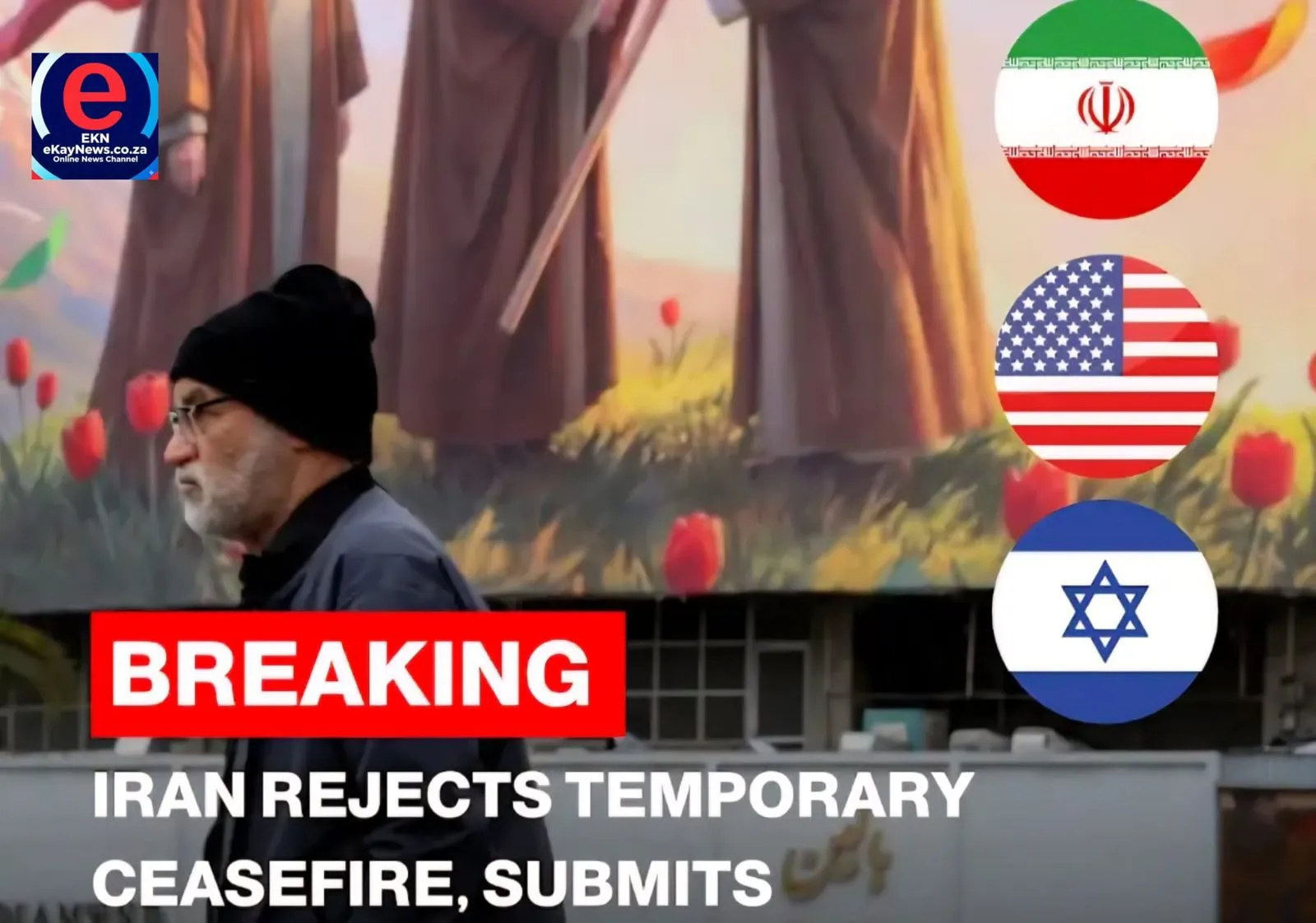
Iran rejects reopening Strait of Hormuz for a “temporary ceasefire” as tensions escalate in the Middle East conflict, with Tehran firmly stating it will not bow to pressure or deadlines set by the United States. The decision comes amid rising US Iran tensions and ongoing diplomatic efforts to broker a ceasefire agreement.
A senior Iranian official, speaking to Reuters, confirmed that Iran would not reopen the critical shipping route unless a permanent agreement is reached. The stance signals a major setback for ongoing ceasefire negotiations aimed at stabilizing the region.
Iran Strait of Hormuz at center of conflict
The Iran Strait of Hormuz has become the focal point of the escalating crisis. This strategic waterway is one of the world’s most important النفط transit routes, making it a key leverage point in the ongoing dispute.
Iran’s refusal to reopen the Strait of Hormuz under a temporary ceasefire underscores its strategic priorities. Officials in Tehran believe that reopening the strait without a long-term agreement would weaken their negotiating position.
The waterway’s importance extends beyond the region, as disruptions can significantly impact global energy markets and shipping routes.
US Iran tensions rise amid ultimatum
The situation has intensified following a strong warning from Donald Trump, who issued a deadline for Iran to reopen the strait or face severe consequences. This Donald Trump ultimatum has added pressure to already strained diplomatic relations.
Trump’s statements on social media, including threats of military action, have heightened concerns about potential escalation. Despite the aggressive rhetoric, US officials maintain that negotiations are ongoing.
Iran, however, has rejected what it calls “pressure tactics,” insisting that meaningful dialogue cannot take place under threats.
Ceasefire negotiations face uncertainty
Efforts to resolve the crisis through ceasefire negotiations have so far yielded limited progress. A proposed plan reportedly includes a 45-day ceasefire followed by broader talks aimed at achieving a lasting peace.
According to sources, the proposal—facilitated by Pakistan—suggests a phased approach. The initial stage would involve an immediate halt to hostilities and reopening of the strait, followed by comprehensive negotiations.
However, Iranian officials remain skeptical, arguing that the United States is not yet ready to commit to a permanent ceasefire.
Diplomatic efforts and the Islamabad Accord
The proposed framework, sometimes referred to as the “Islamabad Accord,” involves multiple stakeholders working behind the scenes to prevent further escalation in the Middle East conflict.
Key figures, including Asim Munir, JD Vance, and Abbas Araghchi, have reportedly been engaged in continuous discussions.
These diplomatic efforts aim to bridge the gap between the two sides, but significant differences remain, particularly regarding the conditions for reopening the Iran Strait of Hormuz.
Iran rejects reopening Strait of Hormuz for a “temporary ceasefire” again
Reiterating its stance, Iran has emphasized that Iran rejects reopening Strait of Hormuz for a “temporary ceasefire” because such a move would not guarantee long-term stability.
Iranian Foreign Ministry spokesperson Esmaeil Baghaei stated that negotiations are “incompatible with ultimatums and threats,” highlighting Tehran’s firm position.
This response reflects broader concerns within Iran that temporary measures could be used as leverage without addressing underlying issues.
Middle East conflict risks escalation
The ongoing Middle East conflict continues to pose significant risks to regional and global stability. Military threats, economic sanctions, and diplomatic deadlock have created a volatile environment.
Experts warn that any escalation could disrupt global energy supplies, particularly if the Iran Strait of Hormuz remains closed. The situation also raises concerns about potential humanitarian impacts.
International organizations, including Amnesty International, have cautioned against targeting civilian infrastructure, warning such actions could violate international law.
What happens next in US Iran tensions?
As the deadline set by Donald Trump ultimatum approaches, all eyes are on the next steps in the crisis. While both sides continue to engage in indirect talks, the chances of a quick resolution appear slim.
Sources indicate that a temporary ceasefire agreement may still be possible, but only if both parties are willing to compromise. For now, Iran’s position remains unchanged: no reopening of the strait without a comprehensive deal.
YOU MAY LIKE:
Conclusion
Iran rejects reopening Strait of Hormuz for a “temporary ceasefire” highlights the deep divisions in ongoing ceasefire negotiations and the complexity of the Middle East conflict. With US Iran tensions at a critical point, the future of the Iran Strait of Hormuz remains uncertain.
As diplomatic efforts continue, the world watches closely, aware that the outcome will have far-reaching implications for global security, energy markets, and regional stability.
References
- Iran rejects reopening Strait of Hormuz for temporary ceasefire – Reuters
(Reuters) – Reports Iran’s refusal to reopen the Strait of Hormuz and details ongoing ceasefire negotiations and US pressure. - Iran says talks incompatible with threats as Hormuz tensions rise – BBC News
(BBC News) – Coverage of Iran’s stance against US ultimatums and analysis of rising Middle East tensions.
Keep the Headlines Fresh!

Quality news takes time, effort, and a whole lot of coffee. If you value what we do at eKayNews, consider “buying a round” for the team!
-
Join the Inner Circle: Set up a custom subscription.
-
The Instant Jolt: Send a one-time “coffee” donation.
Why trust us? We use PayFast for 100% secure, encrypted transactions. Your data stays yours; the news stays ours.
To our amazing readers: You’re the reason we’re first on the scene. Thanks for being part of the family!
Feel the Pulse of the News with eKayNews!

Join the ever-growing eKayNews community and stay connected to the stories that matter. Follow us on Facebook, X, and WhatsApp for real-time updates, breaking news, and exclusive alerts straight to your feed. Your support keeps us digging deeper and sharing the news you can trust.
Stay Connected:
-
Facebook: [eKayNews on Facebook]
-
X (Twitter): [eKayNews on X]
-
WhatsApp: [Join the eKayNews WhatsApp Channel]
Become part of our inner circle and get instant news alerts as events unfold across South Africa and beyond!
Promote Your Brand with eKayNews
Looking to reach a wide, engaged audience? Explore our advertising packages:
-
Link Booster: 7 links to 7 articles over 7 days – R2,500
-
Permanent Feature: Sponsored blog article hosted permanently – R4,000
-
Prime Visibility: Home page banner ad for 30 days – R5,000
Don’t miss your chance to connect with our audience. Book your package today via email at info@ekaynews.co.za or WhatsApp us on +27710961185.
Be part of a platform where news meets community—stay informed, stay ahead, stay with eKayNews!