Tehran Says Hormuz Open ‘For Remaining Period Of Ceasefire’
Tehran Says Hormuz Open ‘For Remaining Period Of Ceasefire’ as Iran confirmed that the strategic Strait of Hormuz is now “completely open” to commercial shipping following a temporary truce with the United States, a move that could ease global energy concerns and signal progress in broader Middle East diplomacy.
The announcement, delivered by Iranian Foreign Minister Abbas Araghchi, comes amid ongoing negotiations tied to a fragile ceasefire agreement that is expected to expire on Tuesday. The reopening of one of the world’s most critical oil transit routes has already triggered cautious optimism across global markets.
Strait of Hormuz Reopens Amid Middle East Tensions
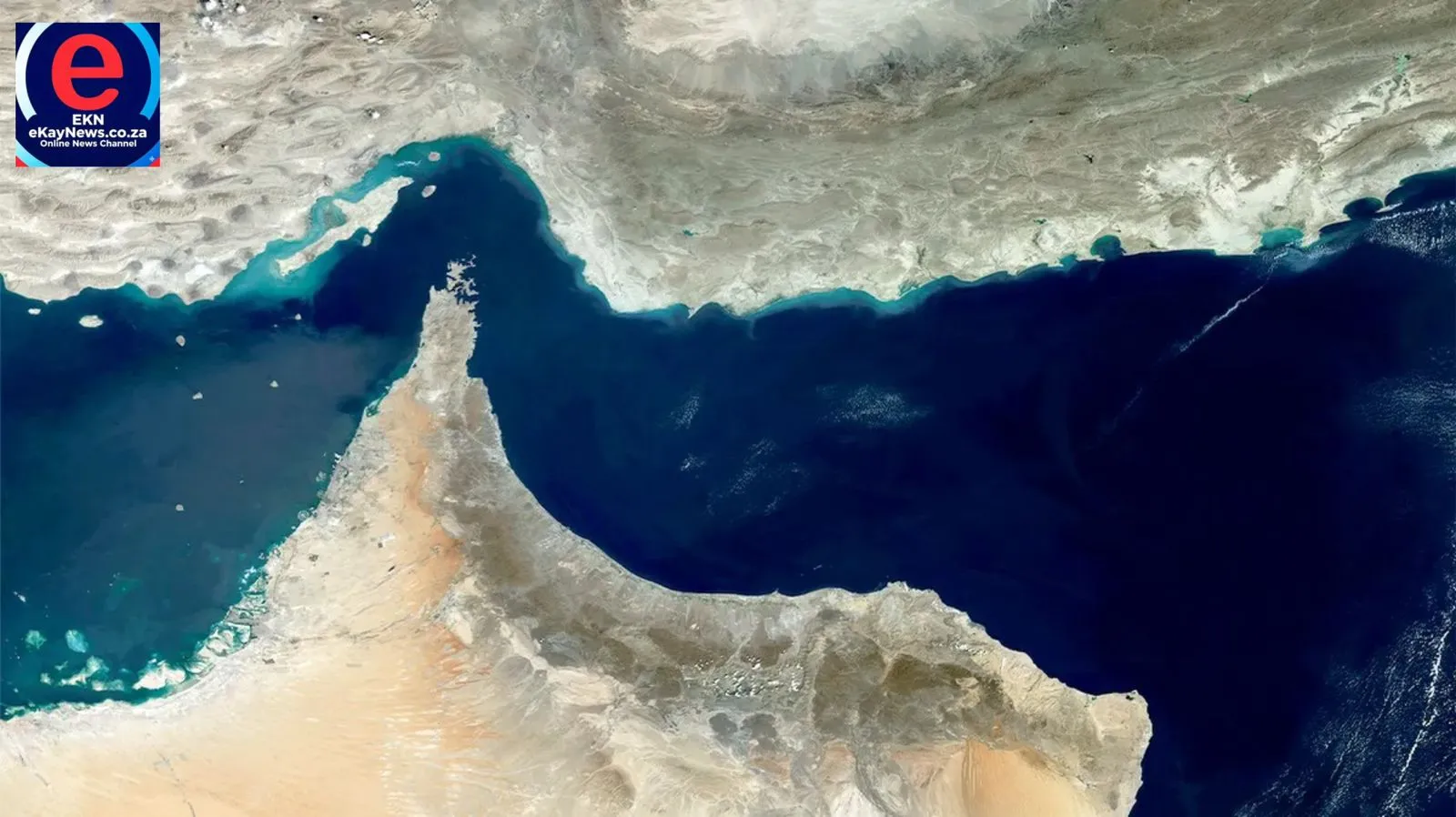
The Strait of Hormuz, a narrow waterway connecting the Persian Gulf to the Arabian Sea, is responsible for transporting nearly a fifth of the world’s oil supply. Iran’s declaration that the route is “completely open” represents a significant de-escalation following weeks of heightened Middle East tensions.
Officials in Tehran emphasized that all commercial vessels are now free to pass through the strait without interference for the remainder of the ceasefire. This includes oil tankers and cargo ships that had previously faced disruptions due to military posturing in the region.
Impact on Global Energy Markets
The reopening is expected to stabilize oil prices, which had surged amid fears of a prolonged blockade. Analysts suggest that uninterrupted flow through the Strait of Hormuz could prevent supply shortages and reduce inflationary pressure globally.
However, uncertainty remains as the ceasefire is temporary. If negotiations fail, the strait could once again become a flashpoint for conflict, impacting economies far beyond the region.
Trump Reacts to Hormuz Decision
Former U.S. President Donald Trump, who has been actively involved in back-channel diplomacy, welcomed Iran’s move but maintained a cautious stance. He stated that a U.S. naval presence and partial blockade would remain in place until a comprehensive agreement with Iran is finalized.
Trump’s comments highlight the complexity of the situation. While the reopening of the strait is a positive development, it does not yet signal a full normalization of relations between Washington and Tehran.
Trump Iran Deal Still in Focus
The broader objective remains what many analysts refer to as the Trump Iran deal—a potential agreement aimed at curbing Iran’s nuclear ambitions while lifting economic sanctions. Negotiations are ongoing, with both sides reportedly making incremental progress.
Diplomatic sources indicate that the current ceasefire is part of a confidence-building framework designed to pave the way for a more permanent resolution.
Lebanon Ceasefire and Regional Ripple Effects
The implications of the Hormuz reopening extend beyond U.S.-Iran relations. The move is closely linked to the Lebanon ceasefire, which has reduced hostilities between Israeli forces and Hezbollah militants.
Israel Hezbollah Conflict De-escalation
The Israel Hezbollah conflict has long been a source of instability in the region. Recent developments suggest that both sides are adhering to a temporary truce, known as the Beirut truce agreement, which has significantly lowered the intensity of cross-border clashes.
Observers believe that Iran’s decision to keep the Strait of Hormuz open is partly aimed at supporting these broader de-escalation efforts. By reducing economic and military pressure points, Tehran may be seeking to strengthen diplomatic momentum across multiple fronts.
Beirut Truce Agreement Gains Momentum
The Beirut truce agreement has emerged as a cornerstone of current peace efforts in the Middle East. Brokered with the support of international mediators, the agreement has led to a noticeable decline in violence in southern Lebanon.
Humanitarian organizations report improved conditions in affected areas, with aid deliveries increasing as security risks diminish. While the truce remains fragile, it represents a rare moment of stability in a historically volatile region.
Challenges Ahead for Long-Term Peace
Despite these positive developments, significant challenges remain. The ceasefire between the U.S. and Iran is set to expire soon, and there is no guarantee that it will be extended. Similarly, the Lebanon ceasefire and related agreements could unravel if underlying political disputes are not addressed.
Experts warn that lasting peace will require sustained diplomatic engagement, trust-building measures, and compromises from all parties involved.
Strategic Importance of the Strait of Hormuz
The Strait of Hormuz is not just a regional asset—it is a global lifeline. Any disruption to its operations has immediate and far-reaching consequences for international trade and energy security.
Iran’s control over the northern side of the strait gives it significant leverage in geopolitical negotiations. By choosing to keep the passage open, Tehran is sending a signal that it is willing to engage constructively, at least for the duration of the ceasefire.
Market and Political Reactions
Global markets have responded positively to the news, with oil prices stabilizing and shipping stocks showing modest gains. Political leaders around the world have also welcomed the development, urging all parties to continue negotiations.
In Europe and Asia, where reliance on Middle Eastern oil is particularly high, the reopening of the Strait of Hormuz has been seen as a critical step toward economic stability.
YOU MAY LIKE:
Conclusion: A Fragile Window of Opportunity
Tehran Says Hormuz Open ‘For Remaining Period Of Ceasefire’ marks a pivotal moment in ongoing efforts to reduce Middle East tensions. While the move has brought temporary relief to global markets and raised hopes for peace, it also underscores the fragile nature of the current situation.
With the ceasefire deadline approaching, the coming days will be crucial in determining whether this opening leads to a lasting agreement or a return to confrontation. The world will be watching closely as negotiations continue, with the future of the Strait of Hormuz—and broader regional stability—hanging in the balance.
References
- Al Jazeera – Iran says Strait of Hormuz ‘completely open’
https://www.aljazeera.com/news/2026/4/17/iran-foreign-minister-says-strait-of-hormuz-completely-open - Reuters – Iran foreign minister says passage via Hormuz open
https://www.reuters.com/world/middle-east/irans-foreign-minister-says-passage-vessels-via-hormuz-strait-is-open-during-2026-04-17/
Keep the Headlines Fresh!

Quality news takes time, effort, and a whole lot of coffee. If you value what we do at eKayNews, consider “buying a round” for the team!
-
Join the Inner Circle: Set up a custom subscription.
-
The Instant Jolt: Send a one-time “coffee” donation.
Why trust us? We use PayFast for 100% secure, encrypted transactions. Your data stays yours; the news stays ours.
To our amazing readers: You’re the reason we’re first on the scene. Thanks for being part of the family!
Feel the Pulse of the News with eKayNews!

Join the ever-growing eKayNews community and stay connected to the stories that matter. Follow us on Facebook, X, and WhatsApp for real-time updates, breaking news, and exclusive alerts straight to your feed. Your support keeps us digging deeper and sharing the news you can trust.
Stay Connected:
-
Facebook: [eKayNews on Facebook]
-
X (Twitter): [eKayNews on X]
-
WhatsApp: [Join the eKayNews WhatsApp Channel]
Become part of our inner circle and get instant news alerts as events unfold across South Africa and beyond!
Promote Your Brand with eKayNews
Looking to reach a wide, engaged audience? Explore our advertising packages:
-
Link Booster: 7 links to 7 articles over 7 days – R2,500
-
Permanent Feature: Sponsored blog article hosted permanently – R4,000
-
Prime Visibility: Home page banner ad for 30 days – R5,000
Don’t miss your chance to connect with our audience. Book your package today via email at info@ekaynews.co.za or WhatsApp us on +27710961185.
Be part of a platform where news meets community—stay informed, stay ahead, stay with eKayNews!