Strait of Hormuz closed again due to US blockade, Iran says
Strait of Hormuz closed again due to US blockade, Iran says as tensions between Washington and Tehran escalate once more, threatening global energy supplies and raising fears of a prolonged global oil supply disruption.
The renewed Strait of Hormuz closure comes just hours after Iran had declared the vital shipping route open, highlighting the fragile and rapidly shifting dynamics of ongoing Iran US tensions.
Strait of Hormuz Closure Sparks Global Concern
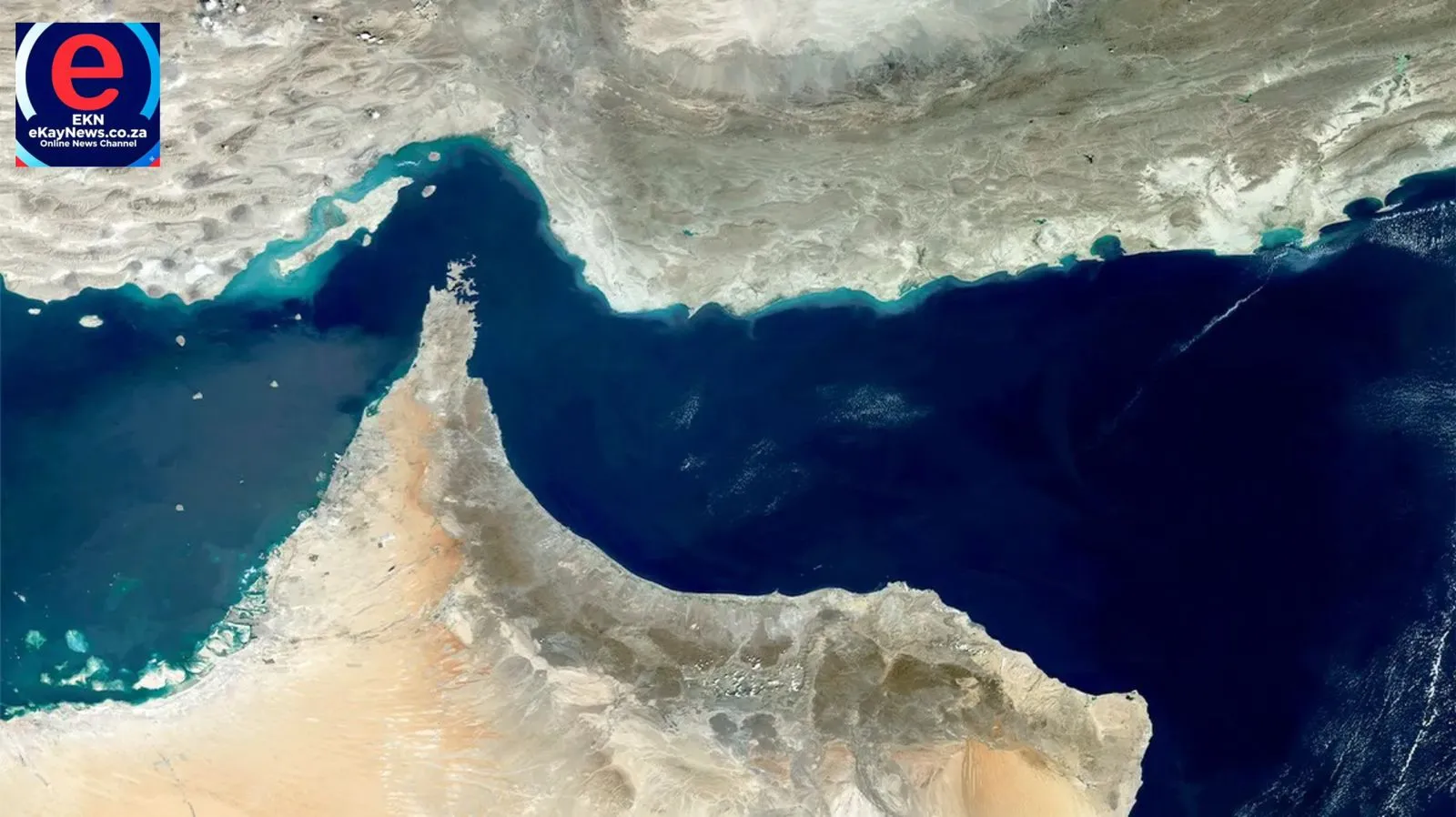
The Strait of Hormuz, one of the world’s most critical oil transit routes, has once again become the center of geopolitical conflict. Nearly 20% of global oil shipments pass through this narrow waterway, making any disruption a serious threat to international markets.
Iran initially reopened the strait to commercial vessels, signaling a temporary easing of tensions. However, the situation quickly reversed after the US blockade on Iran remained in place.
Iran Warns Strait Will Not Stay Open
Iranian officials stated that the strait would not remain open if the blockade continues. Parliamentary Speaker Mohammad Bagher Qalibaf warned that ongoing restrictions by the United States violate ceasefire agreements and undermine diplomatic efforts.
Reports indicate that multiple vessels have already been forced to turn back, with some incidents involving warning fire, further escalating concerns about maritime safety.
US Blockade on Iran Remains Firm
The US blockade on Iran is at the heart of the crisis. U.S. President Donald Trump confirmed that the blockade on Iranian ports and vessels will remain “in full force” until a comprehensive agreement is reached with Tehran.
Strategic Pressure in Iran US Tensions
Washington views the blockade as a key negotiating tool in ongoing Iran US tensions, particularly regarding Iran’s nuclear program. The United States insists that economic and military pressure is necessary to secure a lasting agreement.
However, Iran has pushed back strongly, arguing that the blockade itself violates the terms of the ceasefire and justifies its decision to reconsider access to the Strait of Hormuz.
Global Oil Supply Disruption Fears Grow
The renewed Strait of Hormuz closure has triggered immediate concerns about a global oil supply disruption. Energy markets are highly sensitive to developments in the region, and even short-term interruptions can have significant consequences.
Market Reactions and Economic Impact
Oil prices initially dropped when Iran announced the strait was open, reflecting optimism among investors. However, the renewed closure has reversed that sentiment, introducing volatility back into global markets.
Shipping companies and oil traders are now reassessing routes and risk levels, with some vessels reportedly rerouting or delaying shipments altogether.
Analysts warn that prolonged instability could lead to increased fuel prices, supply shortages, and broader economic challenges worldwide.
Israel Lebanon Ceasefire Conflict Adds Complexity
The situation is further complicated by the ongoing Israel Lebanon ceasefire conflict, which remains fragile despite recent progress.
A 10-day ceasefire between Israel and Lebanon has taken effect, reducing hostilities after weeks of intense fighting involving Hezbollah forces.
Regional Tensions Remain High
Israeli Prime Minister Benjamin Netanyahu has indicated that operations against Hezbollah are not fully concluded, signaling potential for renewed conflict.
Meanwhile, Hezbollah has stated that its response will depend on developments on the ground, adding uncertainty to the already volatile situation.
The Israel Lebanon ceasefire conflict has displaced over a million people and resulted in significant casualties, underscoring the humanitarian impact of the broader crisis.
Backstory: Ceasefire and Renewed Conflict
The current crisis stems from a series of rapid developments. Iran initially restricted traffic through the Strait of Hormuz during fighting linked to Lebanon, which it claimed violated a Pakistan-mediated ceasefire agreement.
In response, the United States imposed the US blockade on Iran, escalating tensions and leading to the current standoff.
Diplomatic Efforts Continue
Despite the escalation, there are signs that diplomacy is still ongoing. Reports suggest that a second round of direct talks between the United States and Iran could take place soon.
These negotiations are seen as critical to resolving both the maritime crisis and broader geopolitical tensions in the region.
Humanitarian and Regional Impact
Beyond economic concerns, the crisis has significant humanitarian implications. The Israel Lebanon ceasefire conflict has already caused widespread displacement, with thousands of families returning home amid uncertain conditions.
Aid organizations warn that any escalation could reverse recent gains in stability and worsen the humanitarian situation.
What Happens Next?
The future of the Strait of Hormuz remains uncertain. Much depends on whether the United States and Iran can reach an agreement that addresses key issues while reducing tensions.
Possible Scenarios
- Continued blockade leading to prolonged Strait of Hormuz closure
- Successful negotiations easing Iran US tensions
- Escalation of regional conflicts affecting global markets
Each scenario carries significant implications for global energy security and political stability.
YOU MAY LIKE:
Trump says blockade on Iran ‘in full force’ until deal is reached
Conclusion: A Fragile Global Flashpoint
Strait of Hormuz closed again due to US blockade, Iran says highlights the fragile balance between diplomacy and conflict in one of the world’s most strategically important regions.
The combination of the US blockade on Iran, rising Iran US tensions, and the ongoing Israel Lebanon ceasefire conflict creates a complex and unpredictable situation.
As fears of a global oil supply disruption grow, the international community is watching closely, hoping that diplomacy will prevail before the crisis escalates further.
References
- Associated Press (AP News) – Iran closes Strait of Hormuz again over US blockade
https://apnews.com/article/us-iran-war-israel-hormuz-18-april-2026-ab475cb979825b956a10d60103026b37 - The Guardian – Iran closes Strait of Hormuz again amid US blockade
https://www.theguardian.com/world/2026/apr/18/iran-closes-strait-of-hormuz-again-until-us-lifts-blockade
Keep the Headlines Fresh!

Quality news takes time, effort, and a whole lot of coffee. If you value what we do at eKayNews, consider “buying a round” for the team!
-
Join the Inner Circle: Set up a custom subscription.
-
The Instant Jolt: Send a one-time “coffee” donation.
Why trust us? We use PayFast for 100% secure, encrypted transactions. Your data stays yours; the news stays ours.
To our amazing readers: You’re the reason we’re first on the scene. Thanks for being part of the family!
Feel the Pulse of the News with eKayNews!

Join the ever-growing eKayNews community and stay connected to the stories that matter. Follow us on Facebook, X, and WhatsApp for real-time updates, breaking news, and exclusive alerts straight to your feed. Your support keeps us digging deeper and sharing the news you can trust.
Stay Connected:
-
Facebook: [eKayNews on Facebook]
-
X (Twitter): [eKayNews on X]
-
WhatsApp: [Join the eKayNews WhatsApp Channel]
Become part of our inner circle and get instant news alerts as events unfold across South Africa and beyond!
Promote Your Brand with eKayNews
Looking to reach a wide, engaged audience? Explore our advertising packages:
-
Link Booster: 7 links to 7 articles over 7 days – R2,500
-
Permanent Feature: Sponsored blog article hosted permanently – R4,000
-
Prime Visibility: Home page banner ad for 30 days – R5,000
Don’t miss your chance to connect with our audience. Book your package today via email at info@ekaynews.co.za or WhatsApp us on +27710961185.
Be part of a platform where news meets community—stay informed, stay ahead, stay with eKayNews!