Trump Threatens to ‘Blow Up’ U.S. Ally Oman Over Strait of Hormuz
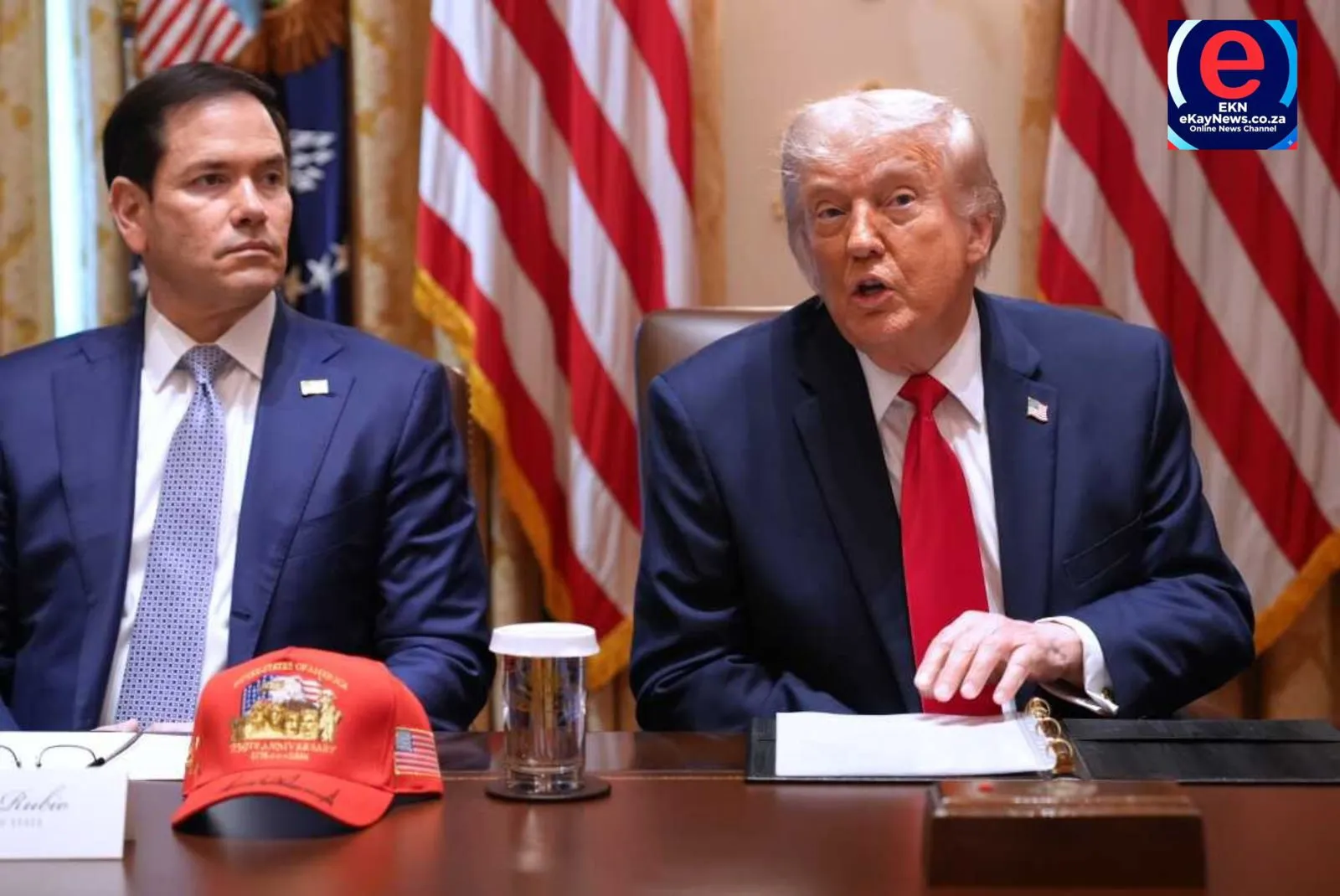
Trump Threatens Oman Over Strait of Hormuz Crisis has intensified global concerns after President Donald Trump issued a sharp warning to Oman over reported discussions with Iran regarding control and possible fees for passage through the strategic Strait of Hormuz. The warning has escalated diplomatic tensions in an already volatile region shaped by the ongoing Iran war narrative and rising geopolitical instability.
The Strait of Hormuz, one of the world’s most critical shipping lanes, connects major oil-producing regions to global markets. Any disruption in this narrow waterway has immediate effects on global energy prices and international trade routes. Trump’s comments have therefore triggered renewed fears about security in the Gulf region.
Strategic importance of the Strait of Hormuz
The Strait of Hormuz remains one of the most sensitive maritime chokepoints in the world. Located between Oman and Iran, it serves as a gateway for nearly a fifth of global oil shipments.
In the ongoing Strait of Hormuz crisis, tensions have increased following reports that Iran and Oman were exploring joint management or regulatory mechanisms for shipping through the waterway. Trump dismissed these reports and insisted that the Strait must remain open to all international traffic without restriction.
He stated that “the Strait is going to be open to everybody,” warning that any attempt to limit access would face consequences. The statement has further intensified concerns among global shipping companies already cautious due to regional instability.
Trump’s warning and Oman’s strategic role
The controversy surrounding Trump Threatens Oman Over Strait of Hormuz Crisis is particularly significant because Oman has long been considered a key diplomatic ally of the United States. For over five decades, Oman has played a stabilising role in mediating tensions between the U.S. and Iran.
Despite this relationship, Trump criticised the idea that Oman could participate in any arrangement that might limit free passage through the Strait of Hormuz. His remarks suggested that the United States would respond strongly to any perceived restriction on maritime traffic.
Trump’s comments also referenced broader concerns involving Iran, which has previously militarised sections of its territorial waters in response to Western military actions. The situation remains highly sensitive as both Iran and the U.S. continue to engage in indirect confrontation.
Iran war tensions and regional instability
The broader Iran war context has significantly influenced developments in the Strait of Hormuz crisis. Since the escalation of hostilities earlier in the year, both sides have exchanged military strikes, drone attacks, and maritime threats.
The United States has conducted defensive operations in response to Iranian drone activity near the Strait, while Iranian forces have targeted U.S. assets in the region. These actions have contributed to a fragile ceasefire environment that remains at risk of collapse.
Energy markets have reacted sharply to the instability, with oil prices surging during periods of heightened tension. Analysts warn that any sustained disruption in the Strait of Hormuz could trigger a global energy shock.
Military exchanges and rising tensions
Recent military developments include U.S. strikes on Iranian-linked facilities near Bandar Abbas, as well as Iranian retaliation targeting U.S. military positions in the Gulf region. These exchanges highlight the volatility of the Iran war situation and the risk of further escalation.
Reports also indicate drone interceptions, naval encounters, and cyber operations linked to both sides. The Strait of Hormuz crisis remains central to these confrontations due to its strategic importance for global energy transport.
Diplomatic breakdown and failed negotiations
Efforts to stabilise relations between the United States and Iran have repeatedly stalled. While officials on both sides have occasionally suggested progress, major disagreements remain unresolved.
Trump has repeatedly insisted that any agreement must include strict conditions on Iran’s nuclear programme and regional military activities. Iran, however, continues to assert that its nuclear programme is for civilian purposes.
Conflicting reports about draft agreements have further complicated the diplomatic process. Some Iranian sources claimed that discussions included joint management of the Strait of Hormuz, while the U.S. administration has denied any such agreement.
Global economic impact of the Strait of Hormuz crisis
The Strait of Hormuz crisis has had immediate consequences for global markets. Energy prices have fluctuated sharply due to fears of supply disruption. Shipping companies have also faced increased insurance costs and rerouting challenges.
Economists warn that prolonged instability could affect inflation rates worldwide, particularly in countries heavily dependent on imported oil and gas. The strategic importance of the Strait makes it a critical point of concern for international trade stability.
Oil markets under pressure
Oil markets remain highly sensitive to developments in the Gulf region. Even minor incidents involving naval activity or threats of closure in the Strait of Hormuz can cause rapid price increases.
Investors continue to monitor statements from both U.S. and Iranian officials closely, as well as military activity in surrounding waters.
Political implications for Trump and U.S. foreign policy
Trump Threatens Oman Over Strait of Hormuz Crisis also carries significant political implications. Analysts suggest that Trump’s strong rhetoric is aimed at demonstrating firmness in foreign policy amid ongoing criticism over U.S. involvement in Middle Eastern conflicts.
His administration has emphasised a strategy of deterrence, warning that any disruption to international shipping routes will be met with force. However, critics argue that such statements risk further escalating tensions rather than stabilising them.
The political stakes are particularly high as the United States continues to navigate complex alliances in the Gulf region.
Regional responses and international concern
Regional governments have called for restraint as tensions rise. Oman, in particular, continues to position itself as a mediator in regional conflicts, maintaining diplomatic relations with both the United States and Iran.
International organisations have also expressed concern over the potential for escalation. The United Nations has previously warned that conflict in the Strait of Hormuz could have devastating consequences for global peace and security.
YOU MAY LIKE:
US launches new strikes on Iran, targeting missile sites and boats
Conclusion
Trump Threatens Oman Over Strait of Hormuz Crisis highlights the fragile balance of power in one of the world’s most important maritime regions. With rising tensions between the United States and Iran, the Strait of Hormuz remains at the centre of geopolitical uncertainty and economic risk.
As diplomatic efforts continue to falter, the potential for further escalation remains high. The combination of military confrontations, political tensions, and economic pressure underscores the seriousness of the Iran war environment and the global importance of maintaining stability in the Strait of Hormuz region.
References
- Al Jazeera – Trump appears to threaten Oman over Strait of Hormuz
Reports on Trump’s warning to Oman amid tensions over control of the Strait of Hormuz and Iran negotiations. - Reuters – US strikes Iran amid escalating Strait tensions
Covers U.S. military strikes and rising tensions linked to the Strait of Hormuz crisis.
Keep the Headlines Fresh!

Quality news takes time, effort, and a whole lot of coffee. If you value what we do at eKayNews, consider “buying a round” for the team!
-
Join the Inner Circle: Set up a custom subscription.
-
The Instant Jolt: Send a one-time “coffee” donation.
Why trust us? We use PayFast for 100% secure, encrypted transactions. Your data stays yours; the news stays ours.
To our amazing readers: You’re the reason we’re first on the scene. Thanks for being part of the family!
Feel the Pulse of the News with eKayNews!

Join the ever-growing eKayNews community and stay connected to the stories that matter. Follow us on Facebook, X, and WhatsApp for real-time updates, breaking news, and exclusive alerts straight to your feed. Your support keeps us digging deeper and sharing the news you can trust.
Stay Connected:
-
Facebook: [eKayNews on Facebook]
-
X (Twitter): [eKayNews on X]
-
WhatsApp: [Join the eKayNews WhatsApp Channel]
Become part of our inner circle and get instant news alerts as events unfold across South Africa and beyond!
Promote Your Brand with eKayNews
Looking to reach a wide, engaged audience? Explore our advertising packages:
-
Link Booster: 7 links to 7 articles over 7 days – R2,500
-
Permanent Feature: Sponsored blog article hosted permanently – R4,000
-
Prime Visibility: Home page banner ad for 30 days – R5,000
Don’t miss your chance to connect with our audience. Book your package today via email at info@ekaynews.co.za or WhatsApp us on +27710961185.
Be part of a platform where news meets community—stay informed, stay ahead, stay with eKayNews!