Solar compliance South Africa rules tighten as rooftop solar grows
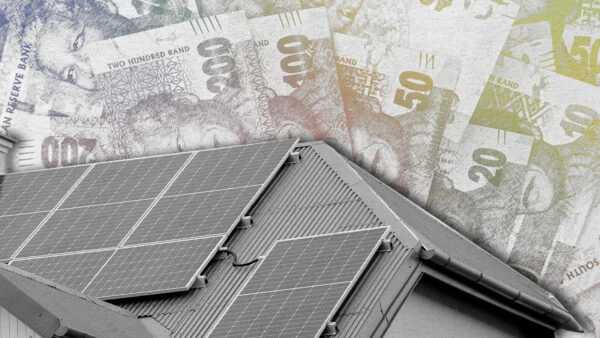
Unapproved solar panels in SA charged R30k fine is becoming a major concern for homeowners as solar compliance South Africa regulations tighten across the country. South African households that installed non-compliant or unregistered systems are now facing fines of up to R30,000, forced removals, and insurance complications that could cost far more than expected.
The rapid rise in rooftop solar installations has been driven by ongoing electricity instability and load shedding. However, this boom has also created a growing compliance gap, leaving many homeowners exposed to financial and legal risks they did not anticipate.
Authorities, including Eskom solar regulatory bodies and municipalities, are increasing enforcement ahead of the September 2026 deadline, when penalties for unregistered solar system installations will become more strictly applied.
rooftop solar boom leads to rising unregistered solar system risks
The expansion of rooftop solar systems across South Africa has been one of the fastest-growing energy shifts in recent years. Many homeowners rushed to install panels to escape reliance on the national grid, but experts warn that poor compliance planning is now creating serious risks.
According to property experts, many households are unknowingly operating unregistered solar system setups that could trigger fines ranging between R6,000 and R30,000. In severe cases, municipalities may even enforce forced removal of panels, which can cost over R100,000 in residential estates.
The shift toward renewable energy was intended to reduce electricity dependence, but lack of regulatory awareness has created what some call a “solar debt trap”.
Eskom solar enforcement and financial penalties increase
The growing role of Eskom solar regulation has introduced stricter oversight for residential installations. Local authorities and Eskom-linked systems are now focusing on registration compliance, safety certification, and grid compatibility.
Homeowners who fail to register their systems risk multiple penalties, including administrative fines and possible disconnection from the grid. These rules are part of a broader push to ensure all solar systems meet national standards and do not destabilize local electricity infrastructure.
Experts warn that unregistered systems can also lead to unexpected costs that outweigh monthly savings on electricity bills, especially when insurance complications are factored in.
solar insurance South Africa risks and policy cancellations
One of the most significant concerns linked to solar insurance South Africa policies is the risk of claim rejection. Insurers are increasingly requiring proof of professional installation and valid Certificates of Compliance (CoC) before approving claims.
Homeowners without proper documentation may find their entire building insurance policy voided. This applies even in cases where damage is unrelated to the solar system itself.
Insurance providers are also tightening rules around fire safety, inverter compliance, and electrical certification. This means that even minor installation errors in an unregistered solar system could result in major financial losses.
compliance failures and financial exposure
Industry experts warn that many homeowners underestimate the importance of compliance paperwork. Without PV GreenCard certification or CoC documentation, claims related to storm damage, theft, or fire may be rejected.
This growing gap between installation and compliance has made solar ownership more complex than many initially expected.
legal risks of unregistered solar system installations
The risks of an unregistered solar system extend beyond fines and insurance issues. In residential complexes and estates, additional legal frameworks apply.
Under the Sectional Titles Schemes Management Act (STSMA), homeowners may need formal approval before installing solar panels on shared rooftops. In many cases, a 75% majority vote or exclusive use rights are required.
Failure to obtain proper approval can lead to forced removal of solar installations at the homeowner’s expense, sometimes costing more than R100,000.
estate rules and forced removal costs
Estate management bodies are increasingly enforcing compliance rules to avoid liability. Homeowners who bypass approval processes risk losing their entire solar investment if installations are deemed unauthorized.
These enforcement actions are becoming more common as disputes over shared roof structures increase across South African residential estates.
Eskom solar registration deadlines approaching 2026
The Eskom solar registration deadline is set for September 2026, after which stricter penalties will be enforced. Municipalities are currently offering a grace period that includes waived registration fees and reduced smart meter installation costs.
However, after the deadline, homeowners may face backdated fees, disconnection risks, and higher penalties for non-compliance.
Experts urge solar owners to register early to avoid financial shocks and ensure their systems remain legally recognized.
solar compliance South Africa and installer risks
Another growing issue in solar compliance South Africa is the rise of unqualified or “fly-by-night” installers. These operators often use substandard equipment that does not meet SANS 10142-1 wiring standards.
Poor-quality installations can lead to fire hazards, system failure, and insurance rejection. In some cases, systems may be completely unregistrable, forcing homeowners to replace their entire setup.
Experts warn that cheaper installations may end up being significantly more expensive in the long run due to compliance failures.
unsafe installations and long-term costs
Low-cost systems often lack proper protection components, making them unsafe and legally non-compliant. This exposes homeowners to both safety risks and financial losses.
rooftop solar financial model shifting in South Africa
The economics of rooftop solar are also changing due to new municipal tariffs. Even households that rely entirely on solar energy may still face fixed monthly charges from municipalities.
These “availability fees” and network charges mean that going off-grid does not always eliminate electricity costs.
To benefit financially, systems must be registered under Small-Scale Embedded Generation (SSEG) rules, allowing excess energy to be sold back to the grid.
impact on property value and resale
Properly registered systems can increase property value by 3% to 4%. However, this benefit only applies if full compliance documentation is available.
Buyers are increasingly demanding proof of registration before purchasing homes with solar installations.
YOU MAY LIKE:
Eskom threatens Joburg blackouts over R5 billion debt crisis
Conclusion
Unapproved solar panels in SA charged R30k fine highlights the growing importance of regulation in South Africa’s renewable energy shift. While solar power remains a valuable solution to load shedding and rising electricity costs, compliance has become a critical factor.
Issues involving solar compliance South Africa, Eskom solar registration, unregistered solar system risks, solar insurance South Africa requirements, and estate regulations show that solar ownership is no longer just about installation—it is about legal and financial responsibility.
Homeowners who fail to comply risk fines, insurance voids, and costly removals, while those who follow regulations can still benefit from long-term savings and increased property value. As the 2026 deadline approaches, proactive compliance remains the safest path forward for South African solar users.
References
- Eskom / South African Government – Solar PV registration rules and compliance updates
https://www.gov.za/news/media-statements/eskom-solar-registration-fees-01-apr-2025 - Eskom Official – Solar PV compliance campaign and deadline information (2026)
https://www.eskom.co.za/solar-pv-registration-legal-compliance-campaign-update-act-now-stay-legal-stay-safe-eskom-continues-to-provide-up-to-r10000-assistance/
Keep the Headlines Fresh!

Quality news takes time, effort, and a whole lot of coffee. If you value what we do at eKayNews, consider “buying a round” for the team!
-
Join the Inner Circle: Set up a custom subscription.
-
The Instant Jolt: Send a one-time “coffee” donation.
Why trust us? We use PayFast for 100% secure, encrypted transactions. Your data stays yours; the news stays ours.
To our amazing readers: You’re the reason we’re first on the scene. Thanks for being part of the family!
Feel the Pulse of the News with eKayNews!

Join the ever-growing eKayNews community and stay connected to the stories that matter. Follow us on Facebook, X, and WhatsApp for real-time updates, breaking news, and exclusive alerts straight to your feed. Your support keeps us digging deeper and sharing the news you can trust.
Stay Connected:
-
Facebook: [eKayNews on Facebook]
-
X (Twitter): [eKayNews on X]
-
WhatsApp: [Join the eKayNews WhatsApp Channel]
Become part of our inner circle and get instant news alerts as events unfold across South Africa and beyond!
Promote Your Brand with eKayNews
Looking to reach a wide, engaged audience? Explore our advertising packages:
-
Link Booster: 7 links to 7 articles over 7 days – R2,500
-
Permanent Feature: Sponsored blog article hosted permanently – R4,000
-
Prime Visibility: Home page banner ad for 30 days – R5,000
Don’t miss your chance to connect with our audience. Book your package today via email at info@ekaynews.co.za or WhatsApp us on +27710961185.
Be part of a platform where news meets community—stay informed, stay ahead, stay with eKayNews!