Mozambique says five citizens killed in SA ‘xenophobic attacks’
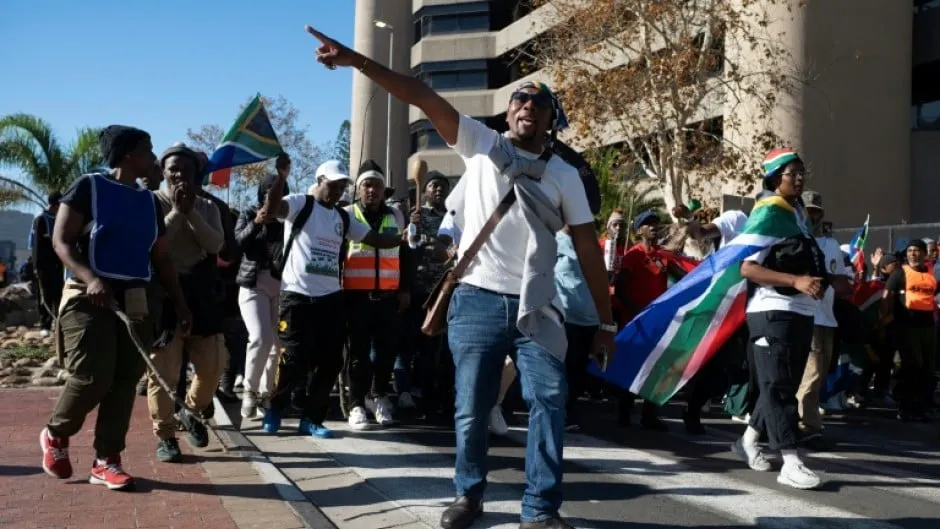
Mozambique says five citizens killed in SA ‘xenophobic attacks’ has intensified concerns over rising tensions targeting foreign nationals in South Africa. The Mozambican government confirmed that five of its citizens died during violent incidents in Mossel Bay, Western Cape, making them the first officially reported fatalities directly linked to the recent wave of anti-migrant protests sweeping parts of the country.
The tragic developments have reignited debates surrounding xenophobia, migration policy, community safety, and regional relations within Southern Africa. As authorities investigate the incidents, governments across the continent are monitoring the situation closely and advising their citizens to exercise caution.
Violence Erupts in Mossel Bay
The coastal town of Mossel Bay became the center of national attention after violent unrest broke out over the weekend. According to statements from the Mozambican government, approximately 800 Mozambican nationals were caught up in the disturbances.
Officials reported that five citizens lost their lives due to what they described as xenophobic attacks, while two additional Mozambicans died in a separate road accident while attempting to return home.
The violence prompted hundreds of people to seek safety and leave the affected area.
Government officials in Mozambique described the situation as alarming and said emergency measures were immediately implemented to assist affected citizens.
Repatriation Efforts Begin
The Mozambican government confirmed that around 300 citizens returned home independently following the unrest.
Meanwhile, more than 500 others were moved to secure locations in the Western Cape while authorities coordinated their safe return.
The ongoing repatriation process highlights the seriousness of the situation and the level of concern among regional governments.
Officials have indicated that transportation, accommodation, and support services are being provided to ensure the safety of displaced individuals.
The repatriation effort is expected to continue as authorities assess security conditions across affected communities.
Xenophobia Remains a Major Concern
South Africa has experienced periodic outbreaks of xenophobia over the past two decades.
The country remains one of Africa’s largest economies and attracts thousands of workers, entrepreneurs, students, and job seekers from neighboring nations.
However, economic pressures, unemployment, crime concerns, and competition for limited resources have often fueled tensions between local residents and foreign nationals.
While many communities coexist peacefully, isolated incidents of violence have repeatedly drawn international criticism.
Human rights organizations have consistently warned that inflammatory rhetoric and misinformation can increase hostility toward migrants.
Historical Context of Anti-Migrant Violence
The current unrest echoes previous waves of violence that shocked the country.
In 2008, widespread anti-immigrant attacks resulted in the deaths of more than 60 people and displaced thousands from their homes.
Additional outbreaks occurred in 2015 and 2019, leading to property destruction, business closures, and diplomatic tensions between South Africa and several African countries.
These incidents highlighted longstanding challenges related to immigration management, economic inequality, and social cohesion.
The latest violence in Mossel Bay has renewed fears that similar patterns may be emerging once again.
Police Investigate Mossel Bay Deaths
South African police have confirmed investigations into deaths reported in Mossel Bay during the unrest.
Authorities stated that two men were found dead in an informal settlement where tensions had reportedly escalated.
Police have not publicly identified the victims nor confirmed whether the deaths were directly linked to anti-migrant protests.
Investigators continue gathering evidence while determining the circumstances surrounding the incidents.
Law enforcement officials have urged residents to avoid spreading unverified information while the investigation remains ongoing.
Local Leadership Expresses Concern
Mossel Bay Mayor Dirk Kotze voiced concern regarding reports of violence and displacement affecting local communities.
He described the situation as deeply troubling and called for calm while authorities worked to restore order.
Local leaders have also emphasized the importance of protecting vulnerable residents regardless of nationality.
Community organizations continue to provide humanitarian support to those displaced by the unrest.
Growing Anti-Migrant Sentiment Across South Africa
The Mossel Bay incidents are occurring against the backdrop of broader demonstrations against undocumented migration.
Recent protests have been reported in several cities, including Johannesburg and Durban.
Some activist groups argue that stronger immigration enforcement is needed to address unemployment, crime, and pressure on public services.
Others warn that targeting migrants risks fueling discrimination and violence.
The debate has become increasingly prominent ahead of South Africa’s upcoming local government elections.
Political analysts note that immigration has become a major issue in public discourse, attracting attention from political parties and civil society organizations alike.
June 30 Ultimatum Raises Tensions
Several citizen-led groups have reportedly called for undocumented migrants to leave South Africa by June 30.
Although these demands have no official legal authority, reports suggest that some groups have conducted inspections of businesses operated by foreign nationals.
Authorities have criticized such actions and stressed that immigration enforcement remains the responsibility of government institutions.
Officials have urged communities to avoid taking the law into their own hands.
Regional Governments Respond
The situation has prompted several African governments to issue travel advisories and safety warnings.
Countries including Mozambique, Zimbabwe, Malawi, Nigeria, Kenya, and Lesotho have urged citizens living in South Africa to remain vigilant.
Meanwhile, Ghana recently facilitated the return of hundreds of its nationals amid growing concerns about safety.
Diplomatic officials continue to engage South African authorities regarding the protection of foreign nationals.
The developments underscore the broader regional implications of the crisis.
Impact on Southern African Relations
Migration has long played an important role in the economies of Southern Africa.
Workers frequently move across borders seeking employment opportunities, education, and better living conditions.
Any deterioration in relations between neighboring countries could affect trade, tourism, and regional cooperation.
Experts argue that constructive dialogue between governments is essential to prevent tensions from escalating further.
The Human Cost of the Crisis
Beyond politics and policy debates, the situation has had devastating consequences for families affected by the violence.
Individuals forced to flee their homes face uncertainty regarding employment, housing, and future security.
Children and vulnerable residents are particularly at risk during periods of unrest.
Humanitarian organizations have called for increased support services and stronger measures to prevent violence against migrants.
Community leaders have also encouraged residents to reject hate speech and work toward peaceful coexistence.
Calls for Unity and Accountability
Civil society groups continue to call for accountability where crimes have occurred.
They argue that criminal acts should be prosecuted regardless of whether victims are citizens or foreign nationals.
Many organizations are urging authorities to address both immediate security concerns and the deeper social challenges that contribute to anti-migrant sentiment.
Promoting dialogue, education, and economic opportunities remains central to long-term solutions.
Looking Ahead
As investigations continue, attention remains focused on whether authorities can prevent further violence in the weeks leading up to June 30.
The Mozambican government has warned that conditions remain volatile and may worsen if tensions are not addressed.
For now, efforts are concentrated on ensuring the safety of affected individuals and completing the repatriation of those seeking to return home.
YOU MAY LIKE:
Suspected Illegal immigrant Tsonga man stabbed in Mossel Bay
Conclusion
Mozambique says five citizens killed in SA ‘xenophobic attacks’ marks a troubling chapter in the ongoing debate over migration, community safety, and social cohesion in South Africa. The deaths reported in Mossel Bay have sparked regional concern and prompted significant repatriation efforts by the Mozambican government.
As investigations continue, authorities face mounting pressure to restore stability, protect vulnerable communities, and address the root causes of xenophobia. The coming weeks will be crucial in determining whether tensions can be eased before further violence occurs.
References from mainstream media
- News24 – Mossel Bay unrest and xenophobia concerns
Link: News24 Coverage of Mossel Bay Protests and Violence - SABC News – Government response to anti-immigrant tensions in South Africa
Link: SABC News Report on Xenophobia and Migrant Safety
Keep the News Flowing – Buy the Team a Coffee! ☕

Love the updates? Help us stay on the beat! Whether it’s a quick one-time donation or a monthly subscription, your support keeps the eKayNews lights on and the stories flowing.
-
Secure & Simple: We use PayFast for total transaction peace of mind.
-
Make an Impact: Every “coffee” you send directly supports our newsroom.
Your Brand, Our Audience: Let’s Make Headlines Together! 🚀

Looking for real engagement? At eKayNews, we don’t just share news—we build connections. Whether you’re a local startup or a growing business, our advertising packages are designed to put your brand in front of a loyal, highly engaged audience.
Choose Your Spotlight:
-
Link Booster (R2,500): Dominate the feed with 7 links across 7 days.
-
Permanent Feature (R4,000): Your story, hosted on our site for a lifetime.
-
Prime Visibility (R5,000): Claim the top spot with a 30-day homepage banner.
Ready to grow? 📩 Email us: info@ekaynews.co.za 💬 WhatsApp us: +27 71 096 1185
Get Connected:
-
Facebook & X (Twitter) : Follow us for real-time updates and community debates.
-
WhatsApp Channel: Get exclusive alerts sent directly to your phone.
Stay informed. Stay ahead. Stay connected with the eKayNews family!