Iran’s supreme leader warns of enemies creating ‘internal divisions’
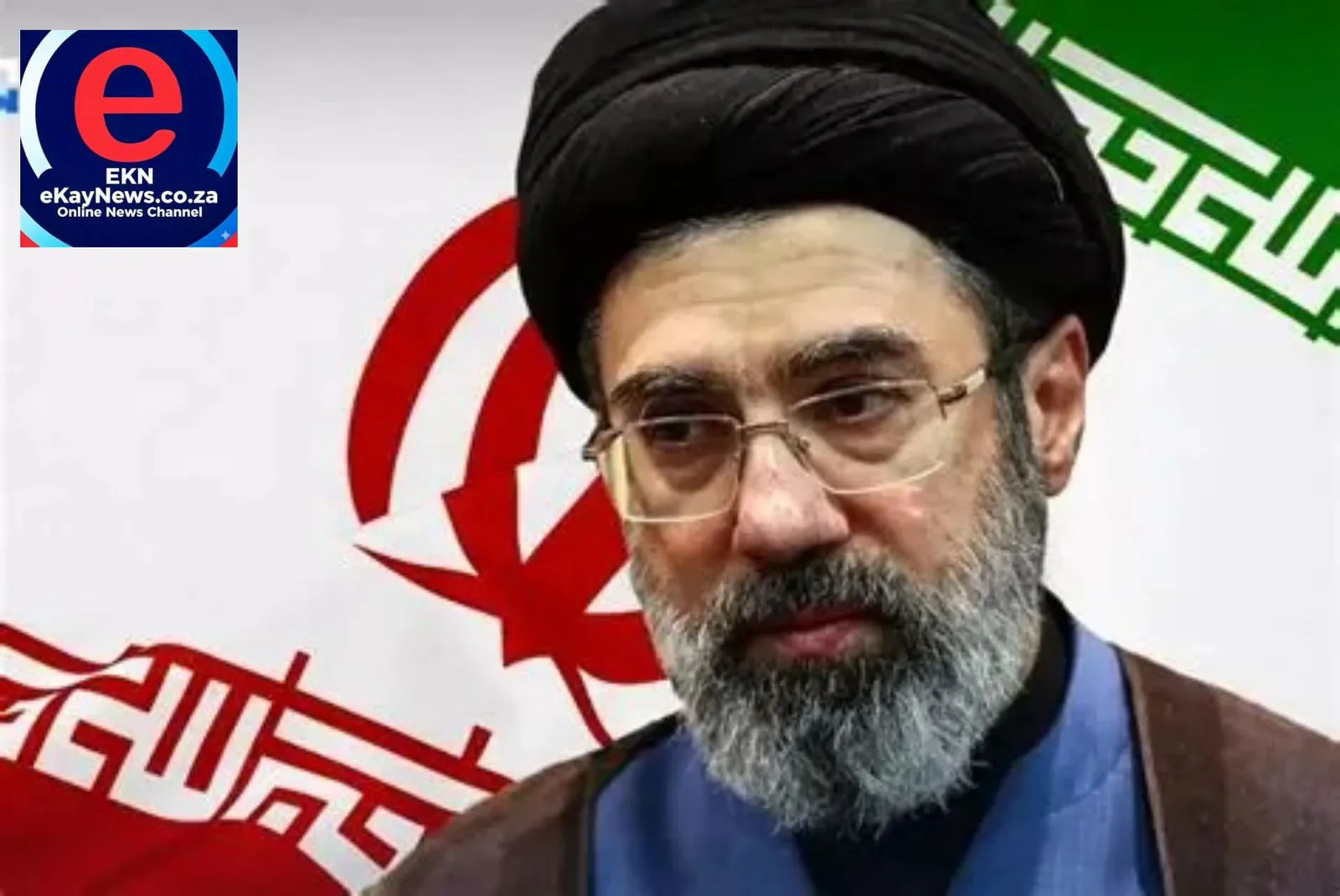
Iran’s supreme leader warns of enemies creating ‘internal divisions’ as the country’s new leadership continues to navigate political uncertainty, regional tensions, and ongoing diplomatic negotiations. The warning comes from Supreme Leader Mojtaba Khamenei, who issued a strongly worded message accusing Iran’s adversaries of attempting to undermine public resilience and create instability within the country.
The statement was delivered during commemorations marking the anniversary of the death of Islamic Republic founder Ruhollah Khomeini, as well as significant Shi’ite religious observances. The message has generated widespread discussion across the Middle East and beyond, particularly as questions continue to surround Iran’s political future and regional role.
Iran’s supreme leader warns of enemies creating ‘internal divisions’ amid uncertainty
According to the message read on his behalf, Mojtaba Khamenei claimed that Iran’s enemies have shifted tactics after suffering setbacks on the battlefield. Rather than direct confrontation, he argued that foreign adversaries are now attempting to weaken the country’s social cohesion.
Khamenei warned that efforts to spread pessimism, fear, and frustration among citizens ultimately benefit Iran’s opponents. He stressed that maintaining National Unity remains essential during a period of heightened geopolitical challenges.
The remarks reflect longstanding concerns within the Iranian leadership regarding foreign influence, information campaigns, and domestic political tensions. Iranian officials have frequently accused outside powers of attempting to destabilize the country through economic pressure, media narratives, and political interference.
National Unity remains a central message
A key theme throughout Khamenei’s statement was the importance of preserving National Unity. Iranian leaders have historically emphasized unity as a means of resisting external pressure and safeguarding national sovereignty.
In his message, Khamenei suggested that negative rhetoric and public pessimism could weaken Iran’s resilience. He urged citizens and political figures to avoid actions that might contribute to division or social unrest.
Supporters of the leadership argue that national cohesion is essential for confronting economic sanctions, security challenges, and regional conflicts. Critics, however, contend that open debate and political diversity are necessary components of a healthy society.
Regardless of political viewpoints, the issue of Internal Divisions remains highly sensitive within Iranian politics.
Mojtaba Khamenei’s role in Iran’s leadership
Since assuming leadership responsibilities following the death of his father, Ayatollah Ali Khamenei, Mojtaba Khamenei has become one of the most influential figures in the country.
Although he has remained largely absent from public view, reports indicate that he continues to play an active role in major policy decisions and diplomatic discussions.
His latest message reinforces the perception that he remains closely involved in guiding Iran’s domestic and foreign policy agenda despite ongoing health concerns.
Absence from public appearances raises questions
One of the most notable aspects of recent developments is the lack of public appearances by Mojtaba Khamenei.
The Iranian leader has not been seen publicly since reports emerged regarding military strikes that reportedly resulted in severe injuries. International media reports have suggested that he underwent multiple medical procedures following the incident.
According to reports, Khamenei has been recovering from injuries that required extensive treatment. Some reports also claimed he received a prosthetic leg and has experienced difficulties with speech.
Iranian authorities have provided limited public information regarding his health condition, leading to ongoing speculation among political observers.
Middle East Politics shaped by ongoing negotiations
The latest remarks come at a significant moment in Middle East Politics, as Iran remains engaged in diplomatic discussions involving regional security and international relations.
Former US President Donald Trump recently claimed that Mojtaba Khamenei has been involved in approving aspects of ongoing negotiations. Trump also suggested that he could potentially meet Iran’s supreme leader in the future.
These comments have attracted considerable attention due to the historically tense relationship between Iran and the United States.
While no official meeting has been confirmed, the possibility of future dialogue highlights the importance of diplomatic engagement in addressing regional disputes.
Diplomatic developments remain closely watched
Analysts continue to monitor diplomatic efforts involving Iran, particularly regarding nuclear issues, regional security, and economic cooperation.
The leadership transition in Tehran has added another layer of complexity to these discussions. Observers are assessing how Mojtaba Khamenei’s leadership style may influence Iran’s approach to international negotiations.
Some experts believe the new leadership may seek opportunities for limited engagement with global powers while maintaining core national security priorities.
Others argue that regional tensions and longstanding disputes will continue to shape the country’s foreign policy direction.
Internal Divisions and regional challenges
The issue of Internal Divisions has become increasingly important as countries across the Middle East face social, economic, and political pressures.
Iran continues to confront challenges related to inflation, employment, sanctions, and regional security concerns. These factors can contribute to public dissatisfaction and political debate.
Khamenei’s message appears designed to address these concerns by emphasizing resilience and solidarity.
Government officials have repeatedly stated that unity is necessary to overcome both domestic and international challenges. At the same time, political analysts note that managing differing viewpoints within society remains a significant task for any government.
Impact on Iran’s future stability
The emphasis on unity suggests that Iranian leaders are focused on preventing social fragmentation during a period of transition.
Maintaining public confidence will likely remain a key objective for the government as it seeks to address economic and security concerns.
Political observers believe that the leadership’s ability to balance stability, reform, and public expectations will play a major role in shaping Iran’s future.
As debates continue over governance, diplomacy, and economic development, the issue of national cohesion will remain central to public discourse.
Regional reactions to Khamenei’s message
Across the region, reactions to the statement have been mixed.
Supporters view the message as a call for resilience against external pressure, while critics argue that broader reforms are needed to address underlying concerns.
Governments and analysts throughout the Middle East are closely monitoring developments in Iran due to the country’s strategic importance.
As one of the region’s most influential nations, political developments in Tehran often have implications far beyond its borders.
International attention grows
The statement has also attracted international attention because of its timing and context.
Questions surrounding Khamenei’s health, leadership role, and involvement in negotiations continue to generate interest among foreign governments and media organizations.
At the same time, discussions about regional security, diplomatic engagement, and economic stability remain closely linked to Iran’s future trajectory.
YOU MAY LIKE:
US bombs Iranian military sites, Kuwait reports incoming fire
Conclusion
Iran’s supreme leader warns of enemies creating ‘internal divisions’ at a time when the country faces significant political, economic, and diplomatic challenges. Mojtaba Khamenei’s message emphasized National Unity, resilience, and resistance to perceived foreign efforts aimed at weakening Iranian society.
As questions remain about his health, public appearances, and role in international negotiations, attention continues to focus on the future direction of Iran and its influence on Middle East Politics.
Whether viewed as a warning against foreign interference or a broader appeal for social cohesion, the message highlights the leadership’s determination to address concerns over Internal Divisions while navigating a rapidly changing regional landscape.
References from mainstream media
- Reuters – Iran’s leadership and regional developments
https://www.reuters.com/world/middle-east/ - BBC News – Iran country profile and political developments
https://www.bbc.com/news/world-middle-east-14541327
Keep the News Flowing – Buy the Team a Coffee! ☕

Love the updates? Help us stay on the beat! Whether it’s a quick one-time donation or a monthly subscription, your support keeps the eKayNews lights on and the stories flowing.
-
Secure & Simple: We use PayFast for total transaction peace of mind.
-
Make an Impact: Every “coffee” you send directly supports our newsroom.
Your Brand, Our Audience: Let’s Make Headlines Together! 🚀

Looking for real engagement? At eKayNews, we don’t just share news—we build connections. Whether you’re a local startup or a growing business, our advertising packages are designed to put your brand in front of a loyal, highly engaged audience.
Choose Your Spotlight:
-
Link Booster (R2,500): Dominate the feed with 7 links across 7 days.
-
Permanent Feature (R4,000): Your story, hosted on our site for a lifetime.
-
Prime Visibility (R5,000): Claim the top spot with a 30-day homepage banner.
Ready to grow? 📩 Email us: info@ekaynews.co.za 💬 WhatsApp us: +27 71 096 1185
Get Connected:
-
Facebook & X (Twitter) : Follow us for real-time updates and community debates.
-
WhatsApp Channel: Get exclusive alerts sent directly to your phone.
Stay informed, ahead, connected with the eKayNews family!