From Enemies To Friends: Russia Signs Military Pact With Taliban
Russia has signed a military cooperation agreement with the Taliban, further strengthening ties with Afghanistan’s ruling group and reinforcing its position as the only country to officially recognize the Taliban government. This significant development marks a pivotal moment in international relations, particularly in the context of ongoing conflicts and geopolitical shifts.
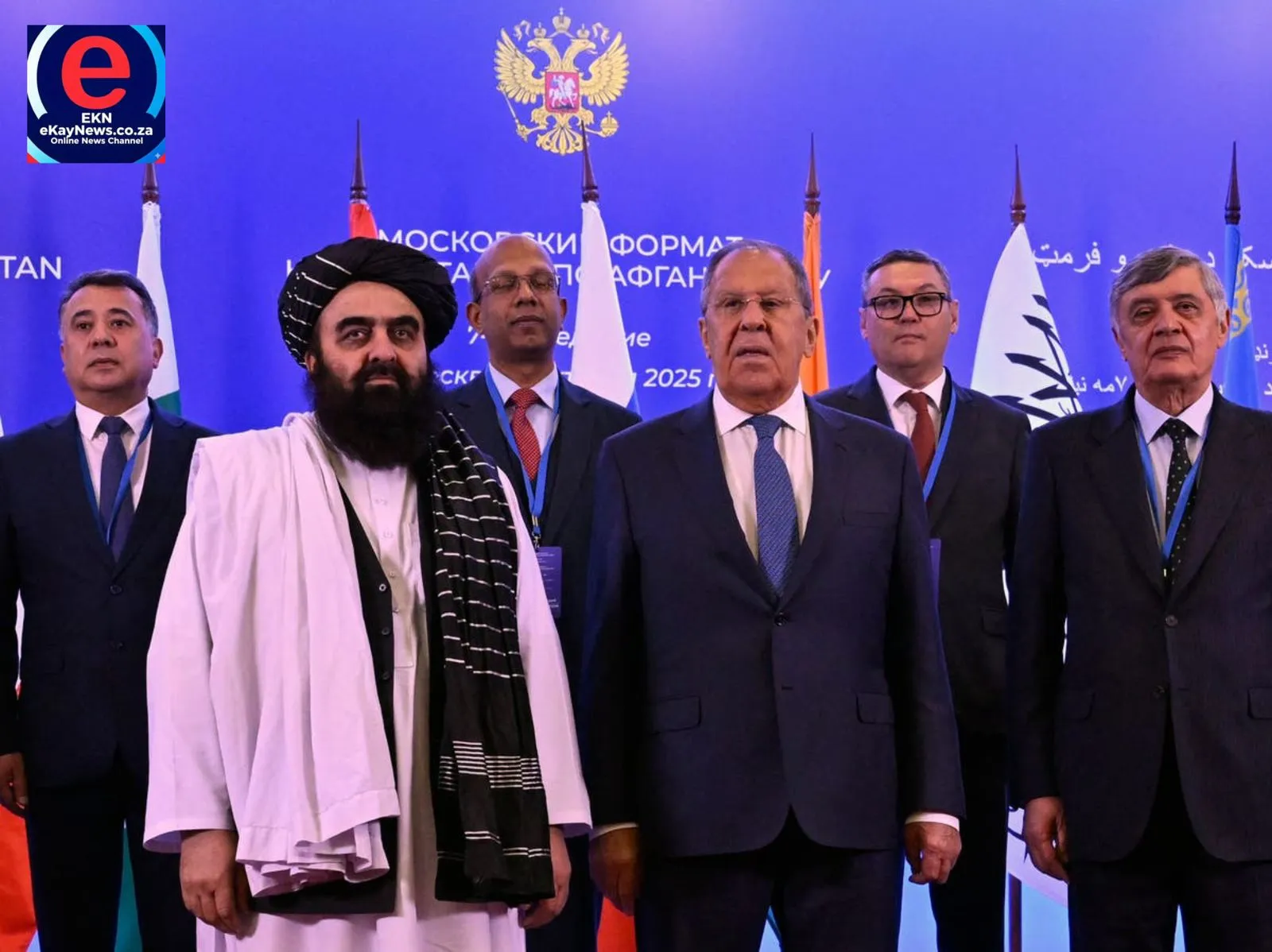
The agreement was ratified during an international security forum in Moscow attended by senior Taliban leaders, including Defence Minister Mohammad Yaqoob, the son of Taliban founder Mullah Mohammad Omar. While neither side disclosed details of the agreement, the move is likely to fuel speculation about whether the Taliban could eventually provide experienced fighters to support Russia’s war effort in Ukraine.
The possibility has drawn attention because North Korea deployed thousands of troops to aid Moscow after signing a defense pact with Russia in 2024, although analysts say there is currently no evidence of a similar arrangement with the Taliban.
Russia Taliban Relations: A Historical Context
The development is particularly notable given that Taliban fighters, then part of the Afghan mujahideen, fought a decade-long insurgency against Soviet forces after the Soviet Union invaded Afghanistan in 1979. Speaking at the forum, Yaqoob described Russia as an important regional and global power and said bilateral relations between the two sides were expanding.
“Afghanistan and Russia have long and historical relations; in this direction, we want to move further. We have expanded bilateral relations,” Mr. Yaqoob said at the meeting. This statement underscores the evolving dynamics of Russia Taliban relations, which have shifted from hostility to cooperation.
Sergei Shoigu, a close aide to Russian President Vladimir Putin and former defense minister, used the meeting to criticize Western sanctions on Afghanistan and called for frozen Afghan assets to be released. “We are convinced that Western countries should unfreeze blocked Afghan assets, fully recognize the full extent of responsibility for their 20-year presence in Afghanistan, and take upon themselves the full burden of post-event recovery of the country,” Mr. Shoigu said.
The ISIS-K Security Threat
Russian officials also highlighted concerns about the presence of the Islamic State’s regional affiliate, ISIS-Khorasan, in Afghanistan and Central Asia. Moscow has repeatedly warned that the group poses a growing security threat. The Taliban, however, dismissed those concerns. Spokesman Zabiullah Mujahid claimed ISIS had been “completely eliminated” in Afghanistan and insisted no terrorist groups were operating from Afghan territory.
“No country should have concerns about Afghanistan. No individual or group is allowed to carry out such activities. ISIS has been completely eliminated in Afghanistan, and the Afghan security forces have fought against it,” Mr. Mujahid said. This assertion reflects the Taliban’s commitment to maintaining control and stability within Afghanistan, despite external pressures.
Russia’s Foreign Policy Shift
Analysts say the agreement is more likely to focus on security cooperation, equipment support, and regional stability rather than troop deployments. They note that Afghanistan’s Taliban-led government is facing its own security challenges and lacks the resources to provide significant military assistance abroad.
Diplomacy teaches that there are no permanent friends or enemies, only permanent interests. Russia seems to be proving this adage true. The Soviet Union spent 10 years and 15,000 lives trying to defeat the Taliban, and now their successor has signed a military partnership. So what exactly was signed? Honestly, we don’t fully know; neither Moscow nor the Taliban will release the details.
What we do know is that Taliban Defense Minister Mula Mujahid flew to Moscow, calling Russia an important global power and stating that the deal was of utmost importance to Afghanistan. Russia’s security council secretary, Sergei Shoigu, used the meeting to slam Western sanctions and advocate for a more cooperative approach.
The Strategic Implications of the Deal
To understand why this matters, we need to rewind all the way to 1979 when the Soviet Union invaded Afghanistan, leading to a brutal decade-long war against insurgent groups historically linked to the same Taliban that governs Kabul today. After the Taliban’s return to power in 2021, Russia faced a practical question: Do we ignore the new reality or engage with it? Moscow chose engagement, keeping its embassy open in Kabul and maintaining communication channels.
Gradually, cautious contact evolved into structured cooperation, culminating in Russia’s formal recognition of the Taliban government in 2025. This marked a significant policy shift, as Russia removed the Taliban from its list of banned organizations.
So what does Russia actually gain from this deal? The honest answer is probably not troops or weapons, at least not in the way North Korea did after signing its own military pact with Moscow in June 2024. That deal sent thousands of North Korean soldiers to fight on European soil, but an equivalent deal with the Taliban is unlikely. The Taliban’s position is too fragile, its military stretched, and its economy too broken for it to export fighters thousands of miles away.
What Russia actually wants is simple and strategically smarter. Russia seeks the Taliban to secure Afghanistan’s northern border, which is considered the soft underbelly of Central Asia, including Kazakhstan and Pakistan. These countries are viewed as Moscow’s backyard, and instability in these regions could have a spillover effect in Moscow.
Ukraine Swedish Fighter Jets Strengthen Defense Capabilities
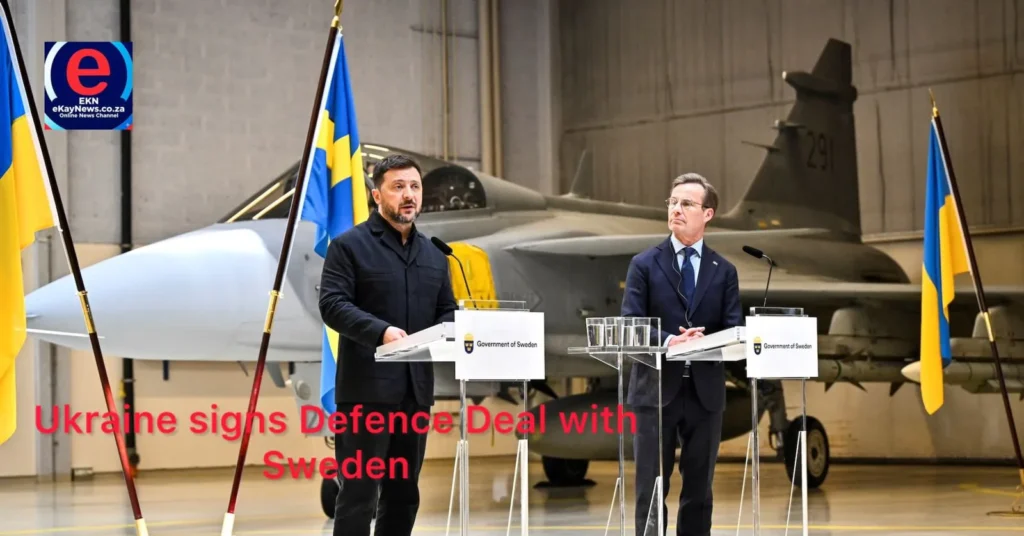
While Russia strengthens relations with Afghanistan, Ukraine Swedish Fighter Jets continue to represent a major element of Kyiv’s military modernization efforts.
Sweden has become one of several European nations supporting Ukraine’s defense sector amid the ongoing conflict with Russia.
The arrival and integration of advanced fighter aircraft are intended to improve Ukraine’s ability to defend its airspace and respond to military threats.
Military experts believe modern Western aircraft provide Ukraine with improved surveillance, operational flexibility, and combat effectiveness.
The development also highlights how international support remains a crucial component of Ukraine’s defense strategy.
The Role of the Taliban in Regional Security
The real threat that Russia is concerned about is ISIS-K, the Islamic State’s affiliate in Afghanistan. This group has been expanding aggressively, and Russia wants the Taliban to contain it. The Taliban has been fighting ISIS-K because the latter rejects the Taliban’s ideology and claims it is not pure enough. Both groups compete for fighters, weapons, and influence, and Russia is using the Taliban’s security forces to manage this threat in Central Asia while it is preoccupied with the conflict in Ukraine.
Does this agreement change the battlefield in Ukraine? While it may not have an immediate impact, Russia is systematically building a coalition of partnerships outside the Western world. North Korea provides troops, Iran supplies drones, and China offers technological support. Now, with Afghanistan, Russia is gaining strategic depth and regional control.
Individually, these partnerships may seem limited, but together they form an architecture of a world order where Russia is not isolated. Each new agreement buys Moscow more time, resources, and leverage. Politics doesn’t just make strange bedfellows; sometimes, it makes you forget your enemies altogether.
YOU MAY LIKE:
Russia threatens the end of the world if Trump takes over Greenland
Conclusion: A New Era of Geopolitical Alliances
In conclusion, the military deal between Russia and the Taliban signifies a profound shift in geopolitical alliances. As Russia reshapes its foreign policy based on strategic interests rather than past conflicts, the implications of this partnership extend beyond Afghanistan. The evolving relationship between Russia and the Taliban reflects a broader trend of nations seeking to navigate a complex global landscape marked by shifting power dynamics.
As Ukraine secures Swedish fighter jets, the international community watches closely. The interplay between these developments will undoubtedly shape the future of military and diplomatic relations in the region and beyond. The world is witnessing a new era of geopolitical alliances, where former adversaries may find common ground in pursuit of mutual interests.
References
- Reuters – Russia formally recognizes Taliban government in Afghanistan
https://www.reuters.com/world/asia-pacific/russia-recognizes-taliban-government-afghanistan-2025/ - BBC News – Russia strengthens ties with Taliban-led Afghanistan
https://www.bbc.com/news/world-asia
Keep the News Flowing – Buy the Team a Coffee! ☕

Love the updates? Help us stay on the beat! Whether it’s a quick one-time donation or a monthly subscription, your support keeps the eKayNews lights on and the stories flowing.
-
Secure & Simple: We use PayFast for total transaction peace of mind.
-
Make an Impact: Every “coffee” you send directly supports our newsroom.
Your Brand, Our Audience: Let’s Make Headlines Together! 🚀

Looking for real engagement? At eKayNews, we don’t just share news—we build connections. Whether you’re a local startup or a growing business, our advertising packages are designed to put your brand in front of a loyal, highly engaged audience.
Choose Your Spotlight:
-
Link Booster (R2,500): Dominate the feed with 7 links across 7 days.
-
Permanent Feature (R4,000): Your story, hosted on our site for a lifetime.
-
Prime Visibility (R5,000): Claim the top spot with a 30-day homepage banner.
Ready to grow? 📩 Email us: info@ekaynews.co.za 💬 WhatsApp us: +27 71 096 1185
Get Connected:
-
Facebook & X (Twitter) : Follow us for real-time updates and community debates.
-
WhatsApp Channel: Get exclusive alerts sent directly to your phone.
Stay informed, ahead, connected with the eKayNews family!