Netanyahu Says Israel Attacks Will Stop ‘For Now’ but Fight ‘Not Over’
Israel says attacks will stop ‘for now’ but fight ‘not over’ as tensions between Israel and Iran appear to ease following a dangerous exchange of military strikes that raised fears of a wider conflict across the Middle East.
The announcement came after both countries indicated they would pause their latest military operations. However, leaders on both sides warned that any violation of the fragile ceasefire could trigger a swift and powerful response.
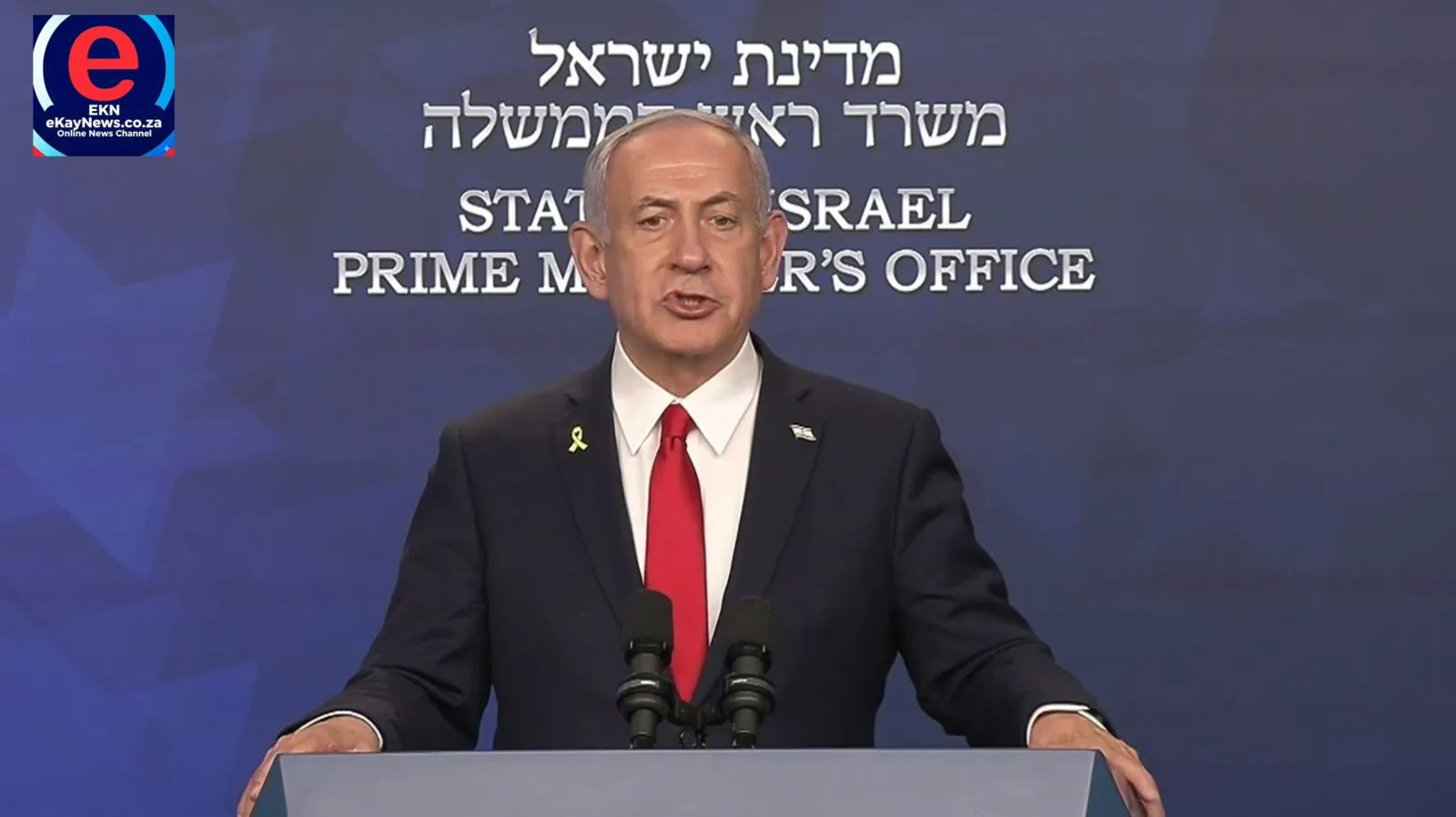
Israeli Prime Minister Benjamin Netanyahu confirmed in a televised address that Israel would halt attacks against Iran for the time being. Nevertheless, he stressed that Israel remained prepared to act if it came under renewed attack.
At the same time, Iran’s military announced the cessation of operations against Israel but warned that any further Israeli strikes, particularly in Lebanon, would be met with a more severe response.
The developments followed international calls for restraint, including appeals from US President Donald Trump for both sides to stop fighting and prevent further escalation.
Israel Says Attacks Will Stop ‘For Now’ but Fight ‘Not Over’
Prime Minister Netanyahu sought to reassure Israelis while maintaining a firm stance on national security.
In his address, Netanyahu declared that “the fire is contained” and confirmed that Israel would suspend attacks against Iran for now. However, he emphasized that the conflict was not fully resolved and that Israel remained ready to defend itself.
The Israeli leader warned that any future attacks by Iran or its allies would result in a forceful response from the Israel Defense Forces (IDF).
His remarks reflected the delicate balance facing Israeli authorities: reducing immediate tensions while maintaining military readiness in a volatile region.
Security analysts say the current pause could provide an opportunity for diplomatic efforts, but they caution that the situation remains highly unstable.
Iran Announces End of Military Operations
Iran’s military leadership also confirmed that military operations against Israel had ceased.
A statement from Iran’s Khatam al-Anbiya Central Headquarters announced that armed forces operations had officially ended. The announcement followed hours of military exchanges between the two regional rivals.
Iranian officials said their actions were carried out in response to Israeli strikes in southern Beirut. Tehran has repeatedly argued that attacks on Lebanon directly affect regional security and are linked to broader tensions involving Iran and its allies.
While announcing the halt in operations, Iranian commanders warned that any renewed Israeli military action would trigger a stronger response.
Iran stated that if attacks continue, particularly in southern Lebanon, its retaliation would be “more severe and forceful than before.”
This warning highlights the ongoing risks despite the temporary pause in hostilities.
Lebanon Remains a Key Flashpoint
Lebanon continues to be one of the most sensitive areas in the conflict.
Iran has consistently maintained that the ceasefire arrangements involving Lebanon are connected to broader regional security understandings.
The Israeli military has conducted operations in southern Lebanon targeting militant positions, while Iran-backed groups in the region remain active.
Experts believe that future developments in Lebanon could determine whether the current pause between Israel and Iran holds or collapses.
The situation remains under close international observation as governments attempt to prevent a wider regional war.
International Pressure Helps Secure Pause
International leaders have played a significant role in encouraging both sides to step back from further military action.
US President Donald Trump publicly called on Israel and Iran to stop firing and seek ways to reduce tensions.
The White House later confirmed that Trump and Netanyahu spoke directly about the recent exchanges between the two countries.
The conversation focused on regional stability, security concerns, and efforts to avoid further escalation.
Diplomatic sources indicated that several countries have been working behind the scenes to encourage restraint and prevent additional military operations.
Many international observers fear that a prolonged conflict between Israel and Iran could destabilize the entire Middle East and disrupt global markets.
Iran Resumes Civil Aviation Operations
One of the clearest signs of de-escalation came when Iran announced the reopening of its airspace.
The head of Iran’s Civil Aviation Organisation, Abouzar Shiroudi, confirmed that aviation operations would resume after authorities determined that military activities had ended.
Earlier in the day, flights had been cancelled as tensions escalated and concerns grew over regional security.
Following the announcement that military operations had ceased, Iranian officials said the country’s airspace had returned to normal operations.
The resumption of flights is viewed as an important indicator that authorities currently expect the security situation to remain stable.
However, aviation authorities continue to monitor developments closely.
Regional Travel and Trade Impact
The conflict temporarily disrupted travel routes and raised concerns among airlines operating in the region.
Several carriers adjusted flight paths or suspended services while military operations were underway.
The reopening of Iranian airspace is expected to ease some of these disruptions, though airlines remain cautious.
Regional trade and tourism sectors have also been affected by uncertainty surrounding the conflict.
Businesses hope that the pause in hostilities will allow economic activity to recover and prevent further disruptions.
Both Sides Warn Against Future Violations
Despite the pause, both Israel and Iran have delivered clear warnings about future actions.
Israel says attacks will stop ‘for now’ but fight ‘not over’, indicating that military readiness remains a priority for Israeli authorities.
Similarly, Iran has stated that any renewed attacks against its interests or against Lebanon could provoke another military response.
These warnings underline the fragile nature of the current situation.
Military analysts note that ceasefires and pauses in conflict often succeed only when both parties remain committed to restraint.
Any isolated incident or misunderstanding could quickly reignite tensions.
The risk of escalation remains particularly high because of the involvement of regional allies and armed groups operating across multiple countries.
What Happens Next?
The coming days will be critical in determining whether the pause develops into a longer-term reduction in hostilities.
Diplomatic channels are expected to remain active as international mediators seek to strengthen the ceasefire and encourage dialogue.
Regional governments are also watching developments closely, concerned about the potential impact on security and economic stability.
For Israel, maintaining deterrence while avoiding a wider conflict remains a key objective.
For Iran, demonstrating strength while preventing additional military escalation appears equally important.
The challenge for both nations will be finding a path that protects their security interests without returning to direct confrontation.
YOU MAY LIKE:
Conclusion
Israel says attacks will stop ‘for now’ but fight ‘not over’, capturing the uncertain reality facing the Middle East following the latest exchange of military strikes between Israel and Iran.
While both countries have announced a pause in operations, neither side considers the conflict fully resolved. Israel has pledged a forceful response to any future attacks, while Iran has warned of severe retaliation if Israeli operations continue in Lebanon.
The temporary halt offers hope that diplomacy may prevent further violence. However, with tensions still high and warnings being exchanged, the region remains on alert.
The world will be watching closely to see whether this pause becomes a lasting step toward stability or merely a brief interruption in a conflict that continues to threaten regional peace.
References
- BBC –
- The Guardian – Middle East crisis live: Iran and Israel announce halt to hostilities as Trump claims both sides want ‘immediate ceasefire’
Keep the News Flowing – Buy the Team a Coffee! ☕

Love the updates? Help us stay on the beat! Whether it’s a quick one-time donation or a monthly subscription, your support keeps the eKayNews lights on and the stories flowing.
-
Secure & Simple: We use PayFast for total transaction peace of mind.
-
Make an Impact: Every “coffee” you send directly supports our newsroom.
Your Brand, Our Audience: Let’s Make Headlines Together! 🚀

Looking for real engagement? At eKayNews, we don’t just share news—we build connections. Whether you’re a local startup or a growing business, our advertising packages are designed to put your brand in front of a loyal, highly engaged audience.
Choose Your Spotlight:
-
Link Booster (R2,500): Dominate the feed with 7 links across 7 days.
-
Permanent Feature (R4,000): Your story, hosted on our site for a lifetime.
-
Prime Visibility (R5,000): Claim the top spot with a 30-day homepage banner.
Ready to grow? 📩 Email us: info@ekaynews.co.za 💬 WhatsApp us: +27 71 096 1185
Get Connected:
-
Facebook & X (Twitter) : Follow us for real-time updates and community debates.
-
WhatsApp Channel: Get exclusive alerts sent directly to your phone.
Stay informed, ahead, connected with the eKayNews family!