UK PM Starmer resigns as Britain faces its seventh leader in 10 years
British PM Keir Starmer announces his resignation as leader of the Labour Party and Prime Minister of the United Kingdom, bringing a dramatic end to a political chapter that began with one of Labour’s biggest electoral victories in modern history. Less than two years after leading Labour to a landslide win in the 2024 general election, Starmer has bowed to mounting pressure from within his own party following poor local election results, declining public approval ratings, and growing internal dissent.
The resignation marks a major turning point in British politics 2026, setting the stage for a leadership contest that could redefine the direction of the Labour government and the future of the United Kingdom. Starmer confirmed he will remain as caretaker prime minister until a successor is selected, with former Greater Manchester Mayor Andy Burnham emerging as the frontrunner.
Keir Starmer Resignation Shocks British Politics
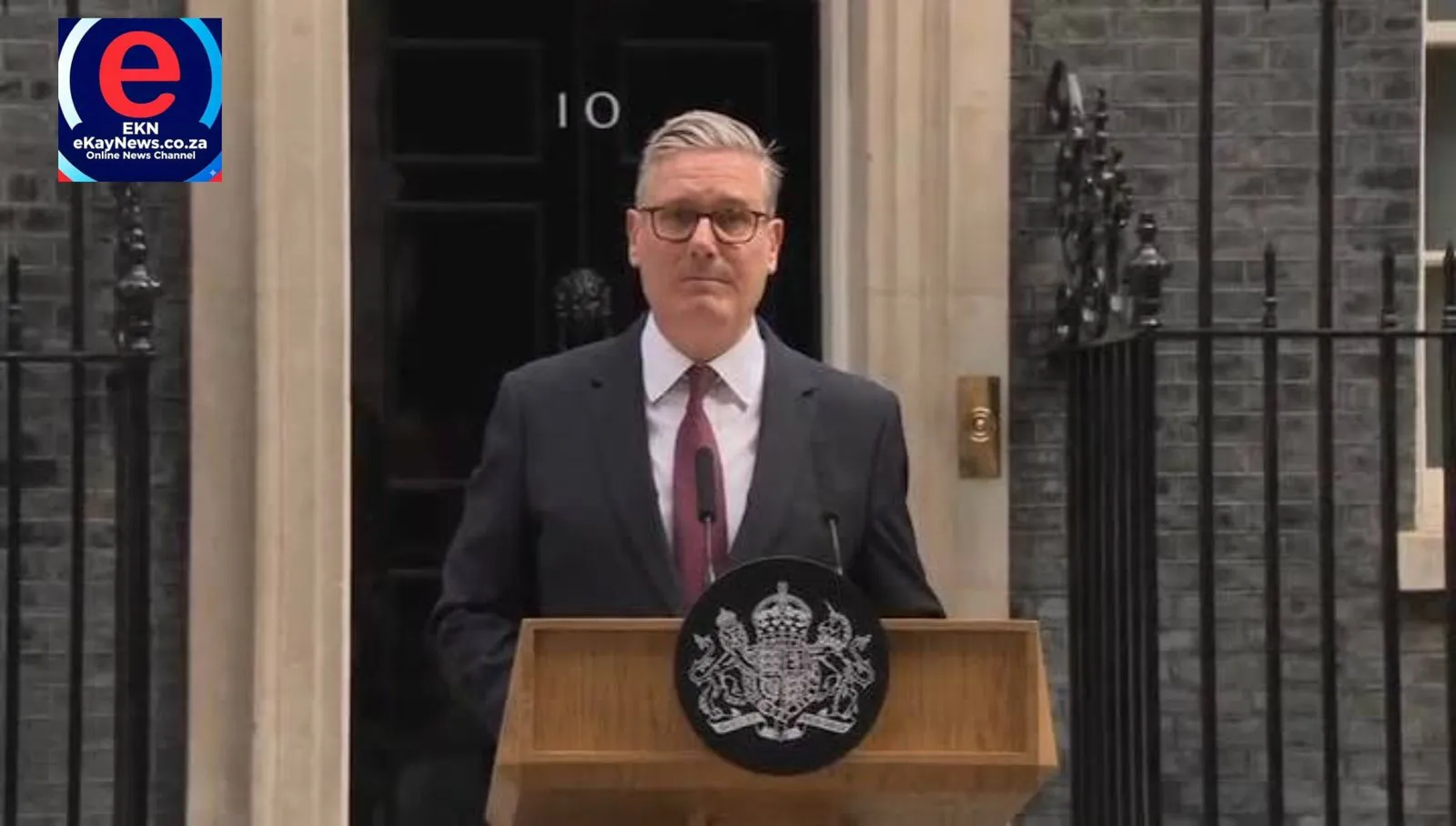
The Keir Starmer resignation announcement came during a speech outside 10 Downing Street, where the prime minister appeared emotional as he reflected on his time in office.
Starmer described becoming prime minister as the “proudest moment” of his life and defended his record in government, highlighting improvements in workers’ rights, increased investment, and efforts to rebuild Britain’s international reputation.
Despite these achievements, he acknowledged that many Labour MPs no longer believed he was the best person to lead the party into the next general election.
“I have heard the answer from my parliamentary party. I accept that answer with good grace. I will resign as leader of the Labour Party,” Starmer said.
The statement effectively ended months of speculation about his future after a series of political setbacks weakened his authority.
From Landslide Victory to Political Crisis
Starmer’s departure is particularly striking given the circumstances of his rise to power.
In July 2024, Labour secured a massive parliamentary majority, ending 14 years of Conservative government. The victory was celebrated as one of the party’s greatest modern achievements.
At the time, Starmer was praised for restoring Labour’s credibility and presenting a moderate alternative to Conservative rule.
However, governing proved significantly more difficult than winning an election.
Declining Popularity
Over the past two years, public dissatisfaction grew as many voters felt the government had failed to address key concerns quickly enough.
Major issues included:
- Rising living costs
- Housing shortages
- Public service pressures
- Fiscal policy disputes
- Economic uncertainty
Poll ratings steadily declined, and Labour’s local election losses in 2026 intensified criticism of Starmer’s leadership.
The growing popularity of Reform UK also added pressure, with some Labour MPs fearing that the party was losing support among traditional working-class voters.
Why Keir Starmer Is Stepping Down
Several factors contributed to Starmer’s decision.
Internal Labour Rebellion
Perhaps the most significant challenge came from within his own party.
A growing number of Labour MPs publicly questioned his leadership and policy direction. Disagreements over welfare reforms, spending priorities, and taxation created divisions across the parliamentary party.
As dissatisfaction increased, calls for a leadership change became more difficult to ignore.
Electoral Setbacks
Labour’s disappointing local election performance dealt a major blow to Starmer’s authority.
The results raised concerns about whether Labour could retain power at the next general election.
Many MPs concluded that a change in leadership might improve the party’s electoral prospects.
Public Opinion
Recent polling also painted a difficult picture for the prime minister.
An Ipsos survey suggested that more than half of the British public believed Starmer should step down.
Such figures intensified pressure on Labour leadership and contributed to growing uncertainty about his future.
Labour Party Leadership Contest Begins
Starmer’s resignation immediately triggered a Labour Party leadership contest, which is expected to dominate British politics throughout the summer.
Party officials confirmed that nominations for the contest will open on July 9, with a new leader expected to be selected before Parliament returns from its summer recess in September.
The contest is likely to focus on key issues such as:
- Economic growth
- Public spending
- Immigration
- Housing policy
- Healthcare reform
- Labour’s future electoral strategy
The winner will automatically become prime minister if Labour maintains its parliamentary majority.
Timeline for Leadership Election
| Event | Date |
|---|---|
| Leadership nominations open | July 9, 2026 |
| Campaign period begins | July 2026 |
| Labour leadership vote | August 2026 |
| New leader announced | September 2026 |
| Parliamentary return | September 2026 |
The timetable ensures a relatively smooth transition of power while minimizing disruption to government operations.
Andy Burnham Successor Emerges as Favourite
Attention has quickly turned to the possibility of an Andy Burnham successor government.
The former Greater Manchester Mayor is widely viewed as the leading candidate to replace Starmer.
Burnham recently secured a decisive parliamentary by-election victory, strengthening his position within Labour.
Following Starmer’s resignation announcement, Burnham confirmed that he would seek the leadership.
“It is important that this process is conducted in an orderly and responsible way,” Burnham said.
“I will put myself forward as part of this process.”
Key Endorsements Boost Burnham
Burnham received an important endorsement from former Health Secretary Wes Streeting.
Streeting had previously been considered a potential rival but chose to support Burnham rather than launch his own campaign.
This endorsement significantly increases Burnham’s chances of securing the leadership without a prolonged internal battle.
Political analysts believe Burnham’s experience in local government and his appeal among Labour members make him a formidable candidate.
Market Reaction to the UK Prime Minister Resignation
Financial markets reacted cautiously to the UK Prime Minister resignation announcement.
The British pound weakened slightly against the US dollar following the news, while government bond yields remained relatively stable.
Investors are closely monitoring developments within Labour as uncertainty surrounding future economic policies increases.
Economic Concerns
Economists note that Britain continues to face several challenges, including:
- High public debt
- Elevated borrowing costs
- Persistent inflation pressures
- Slower productivity growth
Although the UK economy recorded modest growth under Starmer’s leadership, concerns remain regarding long-term fiscal sustainability.
Market participants are now attempting to assess what a Burnham-led government could mean for taxation, spending, and economic management.
The Legacy of Keir Starmer
Assessing Starmer’s legacy is likely to be a subject of debate for years to come.
Supporters argue that he restored Labour’s credibility after years in opposition and successfully returned the party to government.
Under his leadership, Labour achieved:
- A landslide election victory
- Expanded workers’ rights
- New international trade agreements
- Improved diplomatic relationships
- Stable economic growth
However, critics argue that his government struggled to maintain public confidence and failed to deliver transformative change quickly enough.
The combination of policy disputes, declining popularity, and internal unrest ultimately weakened his position.
Britain’s Seventh Prime Minister in a Decade
Starmer’s resignation highlights the extraordinary political instability that has characterized Britain since the Brexit referendum.
His successor will become the seventh UK leader in approximately ten years.
Recent prime ministers include:
- David Cameron
- Theresa May
- Boris Johnson
- Liz Truss
- Rishi Sunak
- Keir Starmer
- Successor to be determined
The rapid turnover reflects ongoing political and economic challenges facing the country.
Brexit, inflation, public finances, and geopolitical uncertainty have all contributed to a turbulent political environment.
What Happens Next?
With Starmer remaining as caretaker prime minister, government operations will continue while Labour members select a new leader.
The coming weeks are expected to feature:
- Leadership campaign launches
- Policy debates
- Endorsements from senior figures
- Increased media scrutiny
- Market assessments of leadership candidates
Should Burnham remain unchallenged, the transition could occur relatively quickly.
However, if additional candidates enter the race, Labour could face a highly competitive contest.
British Politics 2026 Enters a New Era
The resignation of Keir Starmer represents more than a change in leadership. It signals the beginning of a new chapter in British politics 2026.
Labour now faces critical decisions about its future direction and electoral strategy.
The party must convince voters that it can deliver economic growth, improve public services, and address concerns about living standards.
Whoever succeeds Starmer will inherit significant opportunities but also considerable challenges.
YOU MAY LIKE:
Conclusion
British PM Keir Starmer announces his resignation, ending a turbulent period that saw Labour return to power before becoming engulfed in internal divisions and declining public support. The Keir Starmer resignation has triggered a high-stakes Labour Party leadership contest, with Andy Burnham successor speculation already dominating political discussion.
As the United Kingdom prepares for another leadership transition, the consequences of this UK Prime Minister resignation will shape the future of government and British politics 2026. Whether Labour can regain momentum under new leadership remains one of the most important questions facing the country in the months ahead.
References
- BBC News – Keir Starmer resigns as UK Prime Minister and Labour leader
BBC Politics - Reuters – UK Prime Minister Keir Starmer announces resignation amid Labour turmoil
Reuters UK Politics - The Guardian – Keir Starmer steps down after pressure from Labour MPs
The Guardian Politics
Keep the News Flowing – Buy the Team a Coffee! ☕

Love the updates? Help us stay on the beat! Whether it’s a quick one-time donation or a monthly subscription, your support keeps the eKayNews lights on and the stories flowing.
-
Secure & Simple: We use PayFast for total transaction peace of mind.
-
Make an Impact: Every “coffee” you send directly supports our newsroom.
Your Brand, Our Audience: Let’s Make Headlines Together! 🚀

Looking for real engagement? At eKayNews, we don’t just share news—we build connections. Whether you’re a local startup or a growing business, our advertising packages are designed to put your brand in front of a loyal, highly engaged audience.
Choose Your Spotlight:
-
Link Booster (R2,500): Dominate the feed with 7 links across 7 days.
-
Permanent Feature (R4,000): Your story, hosted on our site for a lifetime.
-
Prime Visibility (R5,000): Claim the top spot with a 30-day homepage banner.
Ready to grow? 📩 Email us: info@ekaynews.co.za 💬 WhatsApp us: +27 71 096 1185
Get Connected:
-
Facebook & X (Twitter) : Follow us for real-time updates and community debates.
-
WhatsApp Channel: Get exclusive alerts sent directly to your phone.
Stay informed, ahead, connected with the eKayNews family!