USA Allows Iran 60 Days to Trade Oil in US Dollars under a temporary sanctions waiver that could reshape energy markets, ease tensions in the Middle East, and open a new chapter in ongoing diplomatic efforts between Washington and Tehran. The agreement grants Iran permission to produce, export, and sell crude oil, petroleum products, and petrochemicals on international markets while allowing transactions to be settled in U.S. dollars for a limited period.
The 60-day waiver comes amid intense diplomatic negotiations between the United States and Iran, following weeks of heightened tensions surrounding the Strait of Hormuz and broader regional security concerns. The move is being viewed by analysts as both an economic lifeline for Iran and a strategic effort by the United States to maintain stability in global energy supplies.
USA-Iran Oil Waiver Signals Major Policy Shift
The newly announced USA-Iran Oil Waiver authorizes Iran to re-enter parts of the global energy market under temporary exemptions from U.S. sanctions. The waiver, issued by the U.S. Treasury Department, remains valid through August 21 and allows a range of commercial activities related to Iranian energy exports.
Under the arrangement, Iran can produce, transport, market, and sell oil products internationally. The agreement also permits related services such as banking transactions, insurance coverage, shipping operations, and logistics support that are essential for global energy trade.
Market observers say the waiver represents one of the most significant openings in U.S.-Iran economic relations in recent years. While temporary in nature, it provides Iran with access to international buyers and enables transactions to be settled in U.S. dollars, which remain the dominant currency in global oil markets.
The waiver also allows limited importation of Iranian oil into the United States when necessary to complete authorized transactions, though officials emphasize that such imports would occur only under specific circumstances.
US Dollar Oil Trade Returns to the Spotlight
One of the most notable aspects of the agreement is the authorization of US Dollar Oil Trade involving Iranian petroleum products. For years, sanctions restrictions limited Iran’s access to dollar-based transactions, forcing alternative payment mechanisms and currencies.
By allowing oil sales to be conducted in U.S. dollars, the agreement significantly improves Iran’s ability to participate in international energy markets. Energy traders and financial institutions generally prefer dollar-denominated transactions because of their liquidity, transparency, and global acceptance.
Experts believe the decision could help stabilize oil prices by increasing available supply and reducing uncertainty surrounding Middle Eastern energy exports. The move may also encourage greater participation by international buyers who previously faced challenges navigating sanctions-related restrictions.
However, analysts caution that the waiver is temporary and subject to compliance requirements. Any violations or deterioration in diplomatic relations could result in its suspension or termination.
Economic Impact on Iran
For Iran, the waiver offers much-needed economic relief. Oil exports have historically been a critical source of government revenue and foreign currency earnings.
The ability to sell oil on international markets and receive payments through established financial channels could generate billions of dollars in economic activity during the 60-day period. Increased export revenues may help support domestic economic programs and provide greater financial flexibility for Tehran.
Iranian officials have welcomed the opportunity to expand energy exports while continuing diplomatic discussions with international partners.
Iran Sanctions Relief Linked to Diplomatic Progress
The temporary Iran Sanctions Relief package is closely connected to broader diplomatic efforts aimed at reducing tensions between Washington and Tehran.
According to the framework, the sanctions waiver serves as part of a confidence-building process intended to support negotiations on regional security, maritime access, and future cooperation.
The arrangement reportedly includes provisions related to international inspections and transparency measures. While U.S. officials have indicated that inspection requirements form part of the broader framework, Iranian representatives have stated that no final binding commitments regarding nuclear facilities have yet been concluded.
This difference in interpretation highlights the complex nature of the ongoing negotiations. Both sides continue to negotiate details while attempting to preserve momentum toward a larger agreement.
Diplomatic experts note that sanctions relief is often used as a tool to encourage engagement and create incentives for continued dialogue.
Strait of Hormuz Remains Central to Agreement
The Strait of Hormuz remains one of the most strategically important waterways in the world, with a substantial percentage of global oil shipments passing through the narrow channel connecting the Persian Gulf to international waters.
As part of the agreement, Iran reportedly committed to maintaining free and open navigation through the Strait of Hormuz. This provision is viewed as a critical element of the deal because disruptions in the waterway can have immediate consequences for global energy markets.
Recent tensions involving the strait raised concerns among governments, shipping companies, and energy traders worldwide. Any interruption in maritime traffic could affect oil supplies, shipping costs, and energy prices.
The commitment to open transit is therefore considered a major confidence-building measure designed to reassure markets and reduce the risk of future disruptions.
Why the Strait Matters
The Strait of Hormuz serves as a vital route for oil exports from several major energy-producing nations. Even temporary disruptions can trigger price volatility and increase geopolitical tensions.
By linking sanctions relief to maritime stability, negotiators appear to be attempting to align economic incentives with regional security objectives.
US-Iran Peace Talks Face Challenges
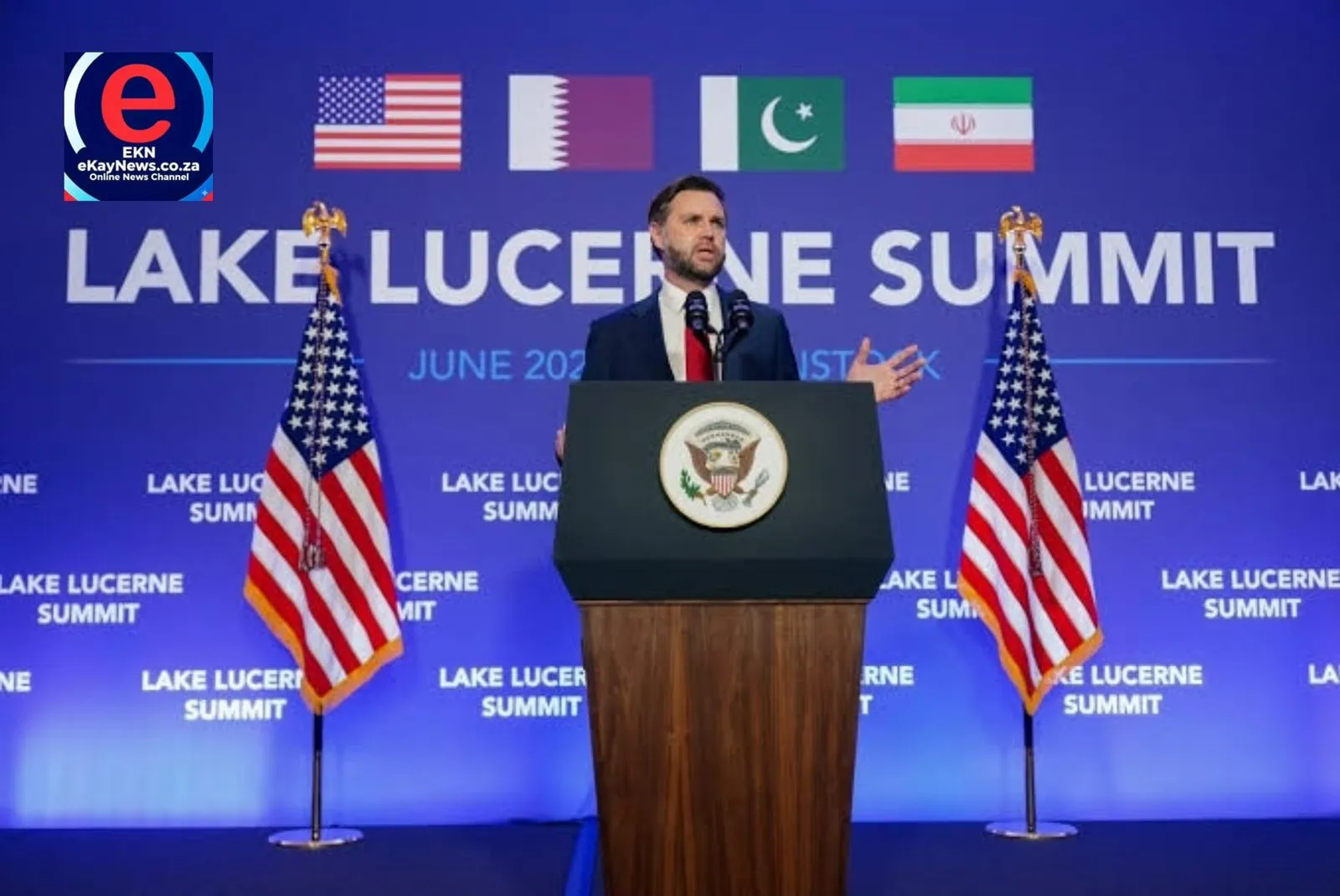
The sanctions waiver emerged against the backdrop of ongoing US-Iran Peace Talks held in Switzerland. These negotiations have attracted significant international attention due to their potential impact on regional stability and global energy markets.
Reports from the talks indicate that discussions became highly contentious at several points, leading to temporary disruptions and diplomatic tensions.
Despite these challenges, negotiators from both sides ultimately returned to the table and continued discussions aimed at reaching a broader framework agreement.
International mediators reportedly played an important role in keeping communication channels open and preventing a complete collapse of the talks.
Diplomatic Roadmap Approved
Following several days of negotiations, officials reportedly agreed on a 60-day roadmap designed to guide future discussions.
The roadmap outlines key areas for continued engagement, including maritime security, sanctions relief, economic cooperation, and inspection mechanisms.
Supporters argue that the roadmap provides a structured path toward reducing tensions and building trust between the two countries.
Critics, however, remain skeptical and question whether the temporary measures will result in lasting progress.
Global Markets React to Oil Agreement
Financial markets and energy traders closely monitored developments surrounding the USA Allows Iran 60 Days to Trade Oil in US Dollars agreement.
Oil prices initially responded to expectations of increased supply entering global markets. Investors also viewed the agreement as a sign that immediate risks to energy transportation routes could be reduced.
Energy analysts believe that successful implementation of the waiver could help ease concerns about supply disruptions while supporting broader market stability.
Shipping companies and insurers likewise welcomed signs of progress, as reduced geopolitical tensions generally improve operating conditions in the region.
However, uncertainty remains. Market participants continue to watch diplomatic developments closely, recognizing that the agreement’s temporary nature leaves room for future policy changes.
International Reactions
Governments around the world have responded cautiously to the agreement. Many countries support efforts to reduce tensions and maintain open trade routes while encouraging continued diplomacy.
Regional stakeholders are particularly interested in the implications for security, economic growth, and future political relationships in the Middle East.
International organizations have also emphasized the importance of transparency, dialogue, and compliance with agreed-upon commitments.
Observers note that successful implementation of the waiver could create opportunities for broader regional cooperation, while failure could renew uncertainty and confrontation.
What Happens After the 60-Day Period?
The most important question surrounding the agreement is what happens when the 60-day waiver expires.
Several scenarios are possible. Negotiators could agree to extend the waiver, replace it with a longer-term arrangement, or allow it to expire if discussions fail to produce sufficient progress.
Much will depend on developments during the coming weeks, including compliance with existing commitments and the ability of negotiators to resolve outstanding disagreements.
For now, the agreement represents a temporary but significant breakthrough in relations between Washington and Tehran.
YOU MAY LIKE:
Conclusion
The decision that USA Allows Iran 60 Days to Trade Oil in US Dollars marks a potentially important moment in Middle Eastern diplomacy and global energy markets. The temporary waiver provides Iran with access to international oil markets, enables dollar-based transactions, and links economic relief to broader diplomatic objectives.
As negotiations continue, the success of the USA-Iran Oil Waiver, the expansion of US Dollar Oil Trade, the implementation of Iran Sanctions Relief measures, the stability of the Strait of Hormuz, and the future of US-Iran Peace Talks will remain closely watched by governments, investors, and energy markets around the world.
Whether the agreement becomes the foundation for a broader diplomatic breakthrough or simply a temporary pause in tensions will likely become clear in the weeks ahead.
References
- Reuters. “US Waives Iran Sanctions After Talks; Lebanon Fighting Abates.” Reuters, June 22, 2026.
https://www.reuters.com/world/asia-pacific/us-iran-talks-go-into-day-2-after-trump-threats-hormuz-closure-2026-06-22/ - Reuters. “Tehran Can Immediately Sell Oil Upon Signing US-Iran Deal.” Reuters, June 16, 2026.
https://www.reuters.com/business/energy/us-iran-deal-allows-tehran-immediately-sell-oil-wsj-reports-2026-06-16/ - Reuters. “Iran Says Draft US Deal Includes Oil Sanctions Waiver, Nuclear Limits and Asset Release.” Reuters, June 14, 2026.
https://www.reuters.com/business/energy/iran-says-draft-us-deal-includes-oil-sanctions-waiver-nuclear-limits-asset-2026-06-14/
Keep the News Flowing – Buy the Team a Coffee! ☕

Love the updates? Help us stay on the beat! Whether it’s a quick one-time donation or a monthly subscription, your support keeps the eKayNews lights on and the stories flowing.
-
Secure & Simple: We use PayFast for total transaction peace of mind.
-
Make an Impact: Every “coffee” you send directly supports our newsroom.
Your Brand, Our Audience: Let’s Make Headlines Together! 🚀

Looking for real engagement? At eKayNews, we don’t just share news—we build connections. Whether you’re a local startup or a growing business, our advertising packages are designed to put your brand in front of a loyal, highly engaged audience.
Choose Your Spotlight:
-
Link Booster (R2,500): Dominate the feed with 7 links across 7 days.
-
Permanent Feature (R4,000): Your story, hosted on our site for a lifetime.
-
Prime Visibility (R5,000): Claim the top spot with a 30-day homepage banner.
Ready to grow? 📩 Email us: info@ekaynews.co.za 💬 WhatsApp us: +27 71 096 1185
Get Connected:
-
Facebook & X (Twitter) : Follow us for real-time updates and community debates.
-
WhatsApp Channel: Get exclusive alerts sent directly to your phone.
Stay informed, ahead, connected with the eKayNews family!