Calls for water conservation ahead of El Niño linked hot, dry summer
Calls for water conservation ahead of El Niño linked hot, dry summer conditions are growing as South Africa prepares for the possibility of warmer temperatures and below-normal rainfall during the coming months. Experts are urging households, businesses and government authorities to strengthen water security and protect the country’s limited water resources.
The South African Weather Service (SAWS) has forecast above-normal temperatures and below-normal rainfall across much of the country from October to December 2026. The outlook has raised concerns about potential pressure on dams, rivers and municipal water supplies as summer approaches.
Professor Sheena Kumari Pillai, a water expert at the Durban University of Technology, has warned that El Niño could contribute to hotter conditions and reduced rainfall, making water conservation particularly important.
Her warning highlights the need for South Africans to use water responsibly, prepare for possible supply pressures and support measures aimed at protecting the country’s water resources.
South Africa water conservation urged as summer approaches
South Africa water conservation efforts are becoming increasingly important as concerns grow over the possibility of a hot and dry summer. Water is essential for households, agriculture, industry, sanitation and economic activity, meaning prolonged periods of reduced rainfall could have widespread consequences.
According to the weather outlook described in the report, much of the country could experience higher-than-normal temperatures and below-normal rainfall during the October-to-December period.
Hotter weather can increase demand for water as households use more water for gardening, swimming pools, cooling and other daily activities. At the same time, reduced rainfall may limit the replenishment of dams, rivers and other water sources.
Professor Pillai has highlighted the potential impact of these conditions on South Africa’s water resources, particularly in regions that depend on summer rainfall.
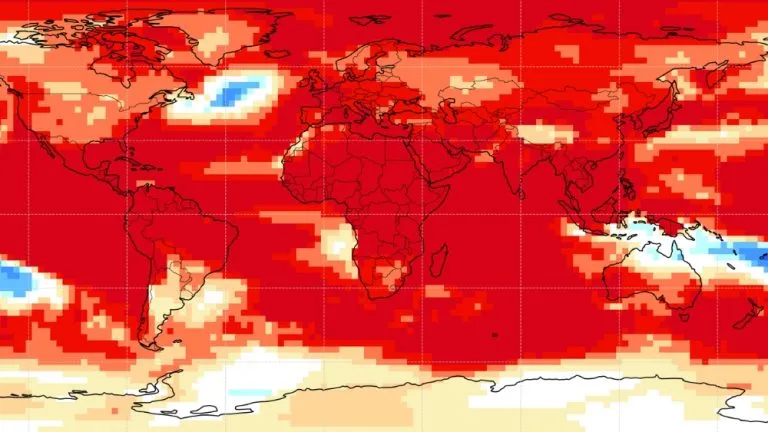
She explained that El Niño involves the natural warming of surface waters in part of the Pacific Ocean. This climate phenomenon can influence weather patterns in different parts of the world, including rainfall patterns across southern Africa.
However, the strength and effects of El Niño vary, and its presence does not guarantee identical conditions across every province.
Why households should reduce water consumption
Households can play an important role in reducing unnecessary water consumption, particularly when weather conditions increase pressure on available supplies.
Simple changes in everyday routines can help limit waste without preventing people from meeting their essential needs.
Residents can consider the following water-saving measures:
- Repair leaking taps, pipes, toilets and household plumbing as soon as possible.
- Take shorter showers and avoid leaving taps running unnecessarily.
- Use washing machines and dishwashers only when loads are full.
- Water gardens during cooler periods to reduce evaporation.
- Use buckets instead of running hoses when washing vehicles.
- Collect suitable rainwater where permitted and use it for gardening.
- Follow municipal water restrictions and local conservation guidelines.
These measures can help households manage consumption while supporting wider conservation efforts.
El Niño summer 2026 raises concerns about rainfall
The El Niño summer 2026 outlook has placed renewed attention on the relationship between changing climate conditions and water availability in South Africa.
El Niño is a naturally occurring climate phenomenon associated with warmer-than-average sea surface temperatures in the central and eastern equatorial Pacific Ocean. It can influence atmospheric circulation and alter rainfall patterns in several regions.
Southern Africa is among the areas where El Niño events can be associated with increased chances of below-normal rainfall and warmer conditions, although the effects differ between seasons and locations.
Professor Pillai has warned that the anticipated combination of hotter temperatures and reduced rainfall could affect dams and rivers.
This is particularly important for areas that typically receive substantial summer rainfall. If precipitation is lower than expected, water sources may receive less replenishment during a period when demand could be increasing.
Nevertheless, the actual impact will depend on local rainfall, existing dam levels, water demand, infrastructure conditions and how effectively resources are managed.
The El Niño phenomenon should therefore be considered alongside official seasonal forecasts and local water-supply information rather than as a guarantee of drought in every part of the country.
What below-normal rainfall could mean for South Africa
Below-normal rainfall can create challenges for communities, farmers, businesses and municipalities that depend on consistent water supplies.
When rainfall is insufficient, less water may flow into rivers and reservoirs. Prolonged dry conditions can also reduce soil moisture, affecting agricultural production and increasing pressure on farmers who rely on rainfall.
For households, sustained pressure on water resources could lead to tighter municipal restrictions, particularly in areas where demand is high or infrastructure is already under strain.
Businesses that depend on water for manufacturing, food production, cleaning and other operations may also need to review their consumption and contingency plans.
Agriculture is another important concern because rainfall shortages can affect planting schedules, crop growth, grazing conditions and livestock production.
However, below-normal rainfall does not automatically mean that every dam will run low or that every municipality will experience shortages. Local conditions, storage levels and water-management decisions will influence the outcome.
South African Weather Service forecast highlights preparedness
The South African Weather Service forecast for October to December 2026 has highlighted the potential for above-normal temperatures and below-normal rainfall across much of the country.
Seasonal forecasts provide an indication of the likelihood of broader weather patterns over a particular period. They do not predict the exact weather conditions for every town or individual day.
For this reason, residents should continue monitoring updated SAWS forecasts and announcements from their municipalities and water authorities.
Local authorities may introduce or adjust water restrictions depending on reservoir levels, demand and the condition of supply infrastructure.
Communities should also avoid relying on unverified social media claims about impending water shortages. Official announcements are the most appropriate source for information about restrictions, supply interruptions and conservation requirements.
How municipalities and businesses can prepare
Municipalities can strengthen water security by identifying leaks, improving maintenance, monitoring reservoir levels and communicating conservation measures clearly to residents.
Reducing water losses in distribution networks is particularly important because water saved through infrastructure improvements can help preserve supplies during periods of increased demand.
Authorities can also assess contingency plans for areas that may be vulnerable to prolonged dry conditions, while ensuring that residents receive timely information about any changes to water services.
Businesses can contribute by checking plumbing systems, monitoring water use and introducing efficient equipment where practical. Organisations that rely heavily on water should also consider how they would maintain essential operations if restrictions become necessary.
Public awareness campaigns can reinforce these efforts by explaining why conservation matters and encouraging residents to adopt practical, sustainable habits.
Water security requires action from everyone
Water security involves more than the amount of rainfall a country receives. It also depends on infrastructure, storage capacity, water quality, maintenance, consumption patterns and the effectiveness of water management.
South Africa’s preparedness for a potentially hot and dry summer will therefore depend on both environmental conditions and the steps taken by households, businesses and public authorities.
Professor Pillai’s warning underlines the importance of treating the El Niño outlook as a reason to prepare and conserve water before pressure on supplies becomes more severe.
While the final effects of the seasonal forecast remain uncertain, avoiding unnecessary water waste is a practical step that can benefit communities regardless of how rainfall develops.
Residents should repair leaks, follow local restrictions and stay informed about changing conditions. Municipalities and businesses should continue improving water efficiency and planning for possible periods of reduced supply.
YOU MAY LIKE:
Conclusion: South Africans urged to conserve water
Calls for water conservation ahead of El Niño linked hot, dry summer conditions highlight the need for early preparation as South Africa approaches the summer months.
The South African Weather Service forecast of above-normal temperatures and below-normal rainfall from October to December 2026 has raised concerns about the potential impact on dams, rivers and municipal water supplies.
Professor Sheena Kumari Pillai has stressed the importance of protecting these resources, particularly if rainfall falls short of expectations.
Although the eventual effects will depend on local conditions and updated forecasts, South Africans can take practical steps now to reduce waste and strengthen water security.
Conserving water is a shared responsibility. Households, businesses and government authorities all have a role to play in protecting supplies and helping communities prepare for a potentially challenging summer.
References from mainstrea media
- SABC News – Calls for water conservation ahead of El Niño linked hot, dry summer. Published 13 October 2026. Reports on the South African Weather Service forecast, concerns about water security and Professor Sheena Kumari Pillai’s warning about the potential impact on dams and rivers. Link: Read the full report on SABC News
- Business Day – As extreme El Niño threatens, government holds off on funding. Published 2 October 2026. Examines concerns about hotter, drier conditions, possible water outages in Gauteng and eThekwini, and challenges facing municipal water infrastructure. Link: Read the full report on Business Day
- IOL – SA faces hotter, drier summer as ‘very strong’ El Niño threatens to intensify. Published September 2026. Covers the expected El Niño conditions, the seasonal rainfall outlook and the potential implications for South Africa. Link: Read the full report on IOL
Support Independent Journalism with eKayNews! 📰✨

At eKayNews, we are dedicated to bringing you honest, independent, and reliable news. But we can’t do it alone—independent journalism relies on the strength and generosity of its community.
If you value our work, please consider supporting us today! You can help keep us going by choosing a subscription or simply buying us a one-off virtual coffee:
👉 Support us here: ekaynews.co.za/subscribe-form/
You can also support our mission by visiting our main site at www.ekaynews.co.za and following @eKayNews on all social media platforms.
Thank you so much for your incredible generosity and for being part of our journey! 🙏💙