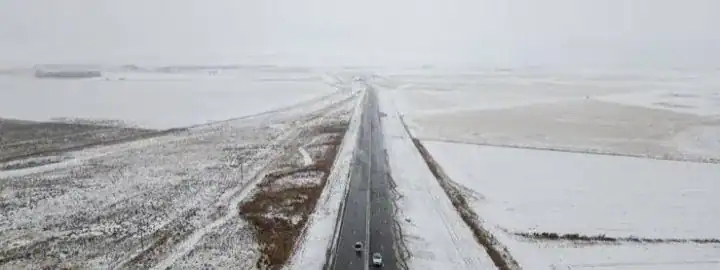
Extreme Cold Front Sweeps Across South Africa: A Nation Braces for Winter’s Chill
An extreme cold front has swept across South Africa, bringing plunging temperatures, widespread snow, disruptive rainfall, and severe weather warnings.1 This article details the impact on various provinces, the ongoing disaster response efforts, and essential safety measures for residents as the nation faces one of its most significant winter events in years.
Extreme Cold Front Grips South Africa: Unprecedented Winter Conditions
South Africa is currently in the throes of a powerful and pervasive cold front, a weather phenomenon that has brought an unexpected and intense start to winter across much of the country.3 From the typically temperate Western Cape to the usually milder provinces of KwaZulu-Natal and even parts of Gauteng, residents are waking up to scenes of snow-covered landscapes, icy roads, and biting winds.4 This extreme weather event, driven by a particularly intense cut-off low-pressure system, has triggered widespread weather warnings and necessitated a rapid escalation of disaster response efforts across the nation.5 The severity of the conditions, with temperatures plummeting to near-freezing levels and even below zero in some areas, underscores the critical need for preparedness and vigilance among the populace.6
The Anatomy of a Severe Cold Front: What South Africa is Experiencing
The current extreme cold front sweeping across South Africa is not a typical winter chill. It is characterized by a “cut-off low” system, which essentially means a low-pressure system has detached from the main westerly flow, becoming isolated and often intensifying over a region for an extended period. This particular system has been described by the South African Weather Service (SAWS) as “particularly intense,” leading to a multifaceted impact across the country.7
Firstly, temperatures have dropped dramatically.8 Many provinces, with the exception of Limpopo, are experiencing daytime maximums unlikely to exceed 10°C, with overnight lows dipping significantly into the single digits and even sub-zero in mountainous and high-lying areas.9 This is compounded by strong, gusty winds that are exacerbating the perceived cold, creating dangerous wind chill factors.10
Secondly, widespread precipitation in various forms is a key feature. Heavy rainfall has led to concerns about localized flooding, particularly in low-lying informal settlements that are highly vulnerable. Coupled with this, significant snowfall has been reported in regions that rarely see it, including parts of Gauteng, the Eastern Cape highlands, Free State, and KwaZulu-Natal. While picturesque, this snow presents considerable risks, including road closures, traffic disruptions, and the potential for communities to be cut off.
Thirdly, coastal areas are facing their own challenges. Strong to near-gale force coastal winds and very rough seas are being experienced along the south-west, south, and east coasts.11 These conditions pose risks to small vessels, can disrupt harbour operations, and increase the danger for shore-based activities.
Provinces Under Siege: A Regional Breakdown of the Cold Front’s Impact
The reach of this extreme cold front is extensive, impacting almost every province in South Africa differently but severely.12
Western Cape: This province was among the first to feel the brunt of the cold front. Heavy rainfall and strong winds have been prevalent, leading to localized flooding, particularly in informal settlements around the Cape Town metropolitan area.13 Authorities have issued alerts for disruptive rainfall and dangerous coastal conditions, urging residents to stay indoors and exercise extreme caution.14 There have been reports of individuals being swept away by floodwaters, highlighting the immediate dangers.
Eastern Cape: The Eastern Cape is experiencing some of the most severe conditions, with Orange Level 6 warnings issued for disruptive snow in areas like Joe Gqabi district municipality, Enoch Mgijima, and Matatiele.15 This level of warning signifies a danger to life, potential pass closures, and the risk of communities being cut off. Additionally, disruptive rain and anticipated flooding are impacting the Amathole, OR Tambo, and Buffalo City districts, with fears of mudslides in certain municipalities.
KwaZulu-Natal (KZN): While traditionally warmer, KZN is also feeling the deep chill. Snowfall has been observed in elevated areas, and Orange Level 5 warnings for damaging winds are in effect for the southern parts of the province, raising concerns about flying debris, structural damage, and agricultural losses. The coast is also bracing for damaging winds and waves, impacting small harbours and local vessels.16
Gauteng, Free State, and Northern Cape: These inland provinces are experiencing a dramatic drop in temperatures, with the Free State and Northern Cape seeing significant frost and extremely cold conditions.17 Gauteng, often spared from severe winter weather, has even reported rare snowfall in some areas, a sight not seen in years.18 Disaster management teams in these provinces are on high alert, monitoring weather-related incidents and preparing for the coldest day of the year.19
Weather Warning: Heeding the South African Weather Service’s Alerts
The South African Weather Service (SAWS) has been proactive in issuing multiple weather warnings, ranging from Yellow Level 2 to Orange Level 6, to keep the public informed and encourage appropriate responses. These warnings are crucial tools in disaster preparedness and public safety.
Understanding the Levels:
- Yellow Level (Level 2/4): Indicates potential for localized impact and requires residents to be aware and take precautions. This might include localized flooding, minor pass closures due to snow, or disruptive but not life-threatening winds.
- Orange Level (Level 5/6): Signifies a higher risk of significant impact, potentially leading to danger to life, widespread flooding, infrastructure damage, and communities being cut off. These warnings demand immediate and decisive action.
SAWS advisories emphasize the importance of monitoring official updates regularly through their website, social media, and mainstream media outlets. They also strongly advise against unnecessary travel, especially on snow-affected or flooded roads, and urge motorists to ensure their vehicles are equipped with emergency supplies.20
Disaster Response: Mobilizing for Impact and Recovery
The widespread nature and intensity of this extreme cold front have put South Africa’s disaster response mechanisms to the test.21 National, provincial, and municipal disaster management centres are working in conjunction to mitigate the impact and provide assistance to affected communities.22
Key aspects of the disaster response include:
- Emergency Protocols: Implementation of emergency protocols to address challenges like localized flooding, particularly in vulnerable informal settlements. Organisations like Gift of the Givers have been inundated with calls for assistance, providing aid to those affected by flooding and increased fire incidents.23
- Road Closures and Traffic Management: Authorities are monitoring road conditions closely, with several highways and mountain passes temporarily closed due to ice, snow, and reduced visibility.24 Traffic management teams are issuing advisories and rerouting traffic where necessary.
- Humanitarian Aid: Disaster management teams are distributing blankets, warm clothing, and food to vulnerable communities, especially those in informal settlements and remote areas most susceptible to the harsh conditions.
- Medical and Rescue Services: Emergency services are on standby and actively responding to cases of hypothermia, assisting stranded motorists, and conducting rescue operations where needed.
- Public Awareness Campaigns: Continuous public awareness campaigns are being run through various media channels to reinforce safety messages, advise on energy conservation, and provide updates on the evolving weather situation.
The National Disaster Management Centre (NDMC) plays a crucial coordinating role, ensuring that provincial and municipal authorities are adequately resourced and prepared to respond to the challenges posed by this significant cold front.
Staying Safe: Essential Tips for South Africans During the Cold Front
As the extreme cold front continues to impact South Africa, individual preparedness is paramount. Here are essential tips for staying safe and mitigating risks:
- Stay Informed: Continuously monitor weather updates from the South African Weather Service (SAWS) and reputable news sources.
- Dress Warmly: Layer clothing, wear thermal wear, and ensure you have adequate blankets. If outdoors, protect extremities.
- Conserve Heat Indoors: Seal windows and doors to prevent drafts. If using heaters, ensure proper ventilation to prevent carbon monoxide poisoning. Avoid open fires indoors without adequate ventilation.
- Check on Vulnerable Individuals: Reach out to elderly neighbours, young children, and those living in vulnerable conditions to ensure they are safe and have adequate warmth.25
- Limit Travel: Avoid unnecessary travel, especially on snow-affected roads or during periods of heavy rain and strong winds. If travel is essential, ensure your vehicle is roadworthy, has a full tank, and carry an emergency kit including water, food, warm clothing, and a charged phone.
- Secure Outdoor Items: Strong winds can cause damage.26 Secure any loose outdoor items that could be blown away or cause injury.
- Prepare for Power Outages: Have torches, candles, and fully charged power banks ready in case of electricity disruptions.
- Stock Emergency Supplies: Ensure you have enough non-perishable food, bottled water, and any necessary medications for a few days.
Conclusion
The extreme cold front sweeping across South Africa is a significant weather event, bringing with it a unique set of challenges.27 While the widespread snow has created some striking scenes, the underlying reality is one of potentially dangerous conditions and increased vulnerability for many. The collective efforts of the South African Weather Service, disaster management teams, and various humanitarian organizations are crucial in navigating this period. However, the onus also falls on individual citizens to remain informed, exercise caution, and prioritize safety. As South Africa braces for more days of winter’s intense chill, resilience and preparedness will be key to weathering this formidable cold front.
References:
- IOL (Independent Online): Cold front sweeps across South Africa, bringing snow and severe storms
- eNCA: Weather warning | Cold front hits large parts of SA
- Daily Maverick: Bitterly cold conditions with rain and snow forecast for much of SA
- SABC News: Extreme Weather | Gauteng residents hit by winter cold front – Calvin Dludla reports (Note: This is a YouTube link, as a direct SABC News article link was not readily available for the specific report, but it represents mainstream media coverage.)
- SAnews.gov.za (South African Government News Agency): Extreme winter weather expected to start this weekend
RELATED STORIES: ekaynews.co.za
Kindly consider to support eKayNews, further consider buying us a virtual coffee or subscribe to any amount of your choice also in the links below or check at the footer of website

Payment handled by Pay fast the most and eKayNews doesn’t access your payments details at all:
Subscribe with any amount and cancel anytime:
Subscribe any amount of your choice:
Consider Buy us once off virtue coffee of any amount
Your incredible generosity in financially contributing to eKayNews fills our hearts with profound gratitude. Thank you, truly.
>Your support is the very lifeline that allows us to remain online, to continue our work, and most importantly, to keep serving you with the news and information you rely on.
No matter the size, makes a tangible difference and empowers us to keep going.
From the entire team at eKayNews, thank you for being such a vital part of our community. We are committed to continuing to serve you even better, thanks to your kindness
We’re grateful for your Love and support of eKayNews

Thank you supporting eKayNews! Follow us for the latest news and updates. We appreciate your readership and engagement.
eKayNews on Facebook
eKayNews on X
Follow the eKayNews What Sapp: News Channel