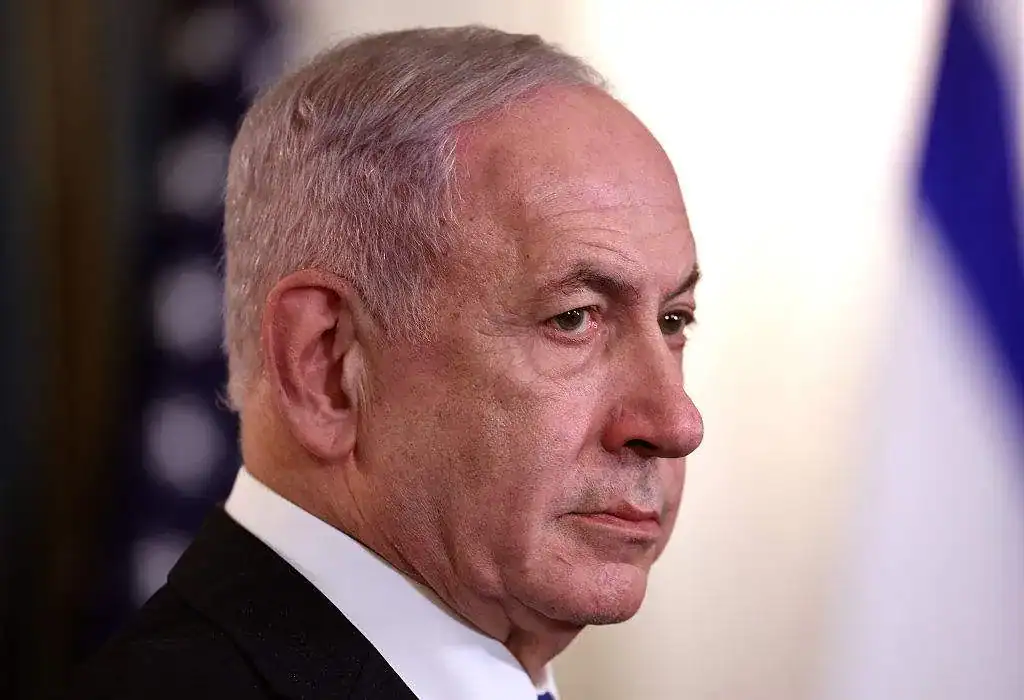
Hamas calls for hostage-prisoner exchange with Israel
Hamas calls for hostage-prisoner exchange with Israel as negotiations between the two sides move to Egypt, signaling a potential breakthrough in efforts to end the devastating Gaza war that has stretched close to two years. The militant group’s demand for a swift exchange underscores growing pressure on both parties to reach a sustainable ceasefire and address humanitarian concerns in the region.
The renewed talks in Egypt
Mediators from Egypt, Qatar, and the United States are set to oversee the next round of discussions between Hamas and Israel, focusing primarily on the proposed hostage-prisoner exchange deal. According to regional diplomats, the goal is to secure the release of Israeli hostages in return for Palestinian prisoners held in Israeli detention facilities.
The negotiations come amid international calls for restraint and a long-term ceasefire that would pave the way for rebuilding Gaza after months of destruction and loss. Observers suggest that this round of talks may be the most critical since the war began.
Background: Two years of conflict in Gaza
The Gaza war, now approaching its second year, has claimed tens of thousands of lives and left much of the enclave in ruins. Since the conflict reignited, Hamas and Israel have engaged in repeated escalations that have devastated civilian populations on both sides.
Humanitarian organizations have repeatedly called for immediate aid access and reconstruction efforts, warning of an impending crisis if diplomatic efforts fail.
Hamas’ stance and demands
In a statement released on Sunday, Hamas leaders called for a “swift and just” hostage-prisoner exchange with Israel, emphasizing that such an agreement could serve as the foundation for lasting peace. The group has reportedly linked the release of hostages to Israel’s willingness to ease the blockade and allow humanitarian relief into Gaza.
Hamas insists that any deal must include the release of high-profile Palestinian detainees, while Israeli officials have signaled caution, insisting that national security concerns remain paramount.
Israel’s response
Israeli authorities have not dismissed the idea of a prisoner exchange but have maintained a firm stance against conditions that could strengthen Hamas’ control in Gaza. Prime Minister Benjamin Netanyahu has faced domestic and international pressure to secure the release of Israeli hostages but has emphasized that any agreement must ensure long-term security for Israel’s southern communities.
Israeli media reports suggest the government is weighing a phased release approach — prioritizing elderly, women, and child hostages first.
International mediation and reactions
Global powers, including the United Nations and the European Union, have expressed cautious optimism over the Egyptian-led mediation. The U.S. State Department welcomed the renewed diplomatic push, stating that a balanced hostage-prisoner exchange with Israel could create “the necessary foundation for de-escalation and future peace discussions.”
Meanwhile, Egypt continues to play a pivotal role as a regional mediator, hosting several rounds of indirect talks between the two sides. Cairo’s diplomats remain hopeful that both parties will reach a framework agreement in the coming weeks.
Humanitarian impact and Gaza’s struggle
As talks unfold, the humanitarian situation in Gaza continues to deteriorate. Thousands remain displaced, with infrastructure damage impeding access to clean water, electricity, and medical care. The United Nations Relief and Works Agency (UNRWA) has warned that without immediate action, Gaza could face “irreversible collapse.”
Aid groups are urging negotiators to prioritize human lives over political gains, emphasizing that the hostage-prisoner exchange could open doors to sustained humanitarian access.
The path ahead
Political analysts note that this latest move by Hamas may mark a shift toward pragmatism after years of entrenched hostilities. By calling for a hostage-prisoner exchange with Israel, the group appears to be seeking international legitimacy and a role in post-war governance discussions.
For Israel, the challenge lies in balancing domestic expectations with the need for regional stability. The coming days in Cairo will likely determine whether both sides can take meaningful steps toward ending one of the most destructive chapters in Middle Eastern history.
Hope for a turning point
If successful, the Hamas-Israel hostage-prisoner exchange could serve as a turning point in the long-running conflict — a rare moment of compromise amid years of bloodshed. While skepticism remains high, the fact that both sides are willing to engage in dialogue offers a glimmer of hope to millions affected by the war.
Sponsor of this article
Free Ads for South Africa on www.ekayzone.co.za. Post ads Africa, ads for Africa, and ads Africa ads to buy or sell cars, fashion, phones, furniture, and more.

Free Ads for South Africa are now easier than ever with www.ekayzone.co.za, a trusted South African marketplace. Post ads Africa, browse ads for Africa, or explore thousands of ads Africa ads for free. From cars, spares, fashion, phones, laptops, furniture to education services—buy or sell with ease. eKayzone uses AI to help you craft SEO-friendly adverts that attract customers.
You May Like:
Severe thunderstorms and weather warnings for Gauteng and Mpumalanga
SA Global Sumud Flotilla activists detained by Israeli forces