Iran Missile Strikes Israel Casualties: A Deep Dive into the Escalating Conflict
Recent Iran missile strikes Israel casualties have reached 24 fatalities, with dozens more injured as missiles breach Israeli air defenses. This article explores the escalating conflict, its impact, and the broader implications for regional stability.
Iran Missile Strikes Israel Casualties: A New Chapter of Regional Instability
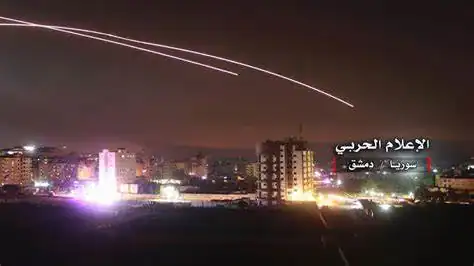
The Middle East finds itself on a knife-edge once again following a devastating wave of Iran missile strikes Israel casualties. The office of Israel’s prime minister has confirmed a tragic toll of 24 lives lost, with dozens more sustaining injuries after multiple Iranian missiles successfully penetrated Israel’s vaunted air defense systems. This alarming development signals a dangerous escalation in the long-standing animosity between Iran and Israel, with profound implications for regional and global security.
For years, the shadow war between these two regional powers has simmered, punctuated by proxy conflicts, cyberattacks, and clandestine operations. However, the latest direct missile assault marks a significant shift, bringing the conflict into the open with devastating human cost. The fact that a considerable number of missiles eluded Israel’s sophisticated Iron Dome and other defense systems raises serious questions about the efficacy of current protective measures and the evolving capabilities of Iran’s missile arsenal.
The Immediate Aftermath: 24 Killed in Attacks and Widespread Devastation
The sheer number of 24 killed in attacks underscores the severity of the recent Iranian aggression. Beyond the tragic fatalities, the scores of injured individuals are a stark reminder of the human cost of this conflict. Emergency services in Israel have been overwhelmed, dealing with the wounded and the widespread damage caused by the missile impacts. Residential areas, infrastructure, and public spaces have reportedly been hit, creating a sense of fear and uncertainty among the Israeli populace.
The psychological impact of such an attack cannot be overstated. Citizens are grappling with the reality of direct missile threats, challenging the long-held perception of Israeli invincibility against external aggression. The images of destruction and the stories of loss will undoubtedly fuel public demand for a strong response from the Israeli government, further increasing the pressure on an already volatile situation.
Understanding the Escalation: Why Now?
The timing of these Iran missile strikes Israel casualties is crucial. While both nations have been locked in a low-intensity conflict for decades, direct attacks of this magnitude are rare and usually signify a significant shift in strategic calculations. Several factors could be contributing to this dangerous escalation:
- Regional Power Vacuum and Shifting Alliances: The evolving geopolitical landscape in the Middle East, including the ongoing conflict in Gaza and the shifting alliances, may have created an environment where Iran feels emboldened to take more direct action.
- Internal Pressures in Iran: Speculation abounds regarding internal pressures within Iran, where the government might be seeking to project strength and deflect attention from domestic challenges by demonstrating its military capabilities abroad.
- Response to Perceived Israeli Aggression: Iran has consistently accused Israel of various acts of aggression, including assassinations of Iranian scientists and military commanders, and attacks on its nuclear facilities. These missile strikes could be framed by Iran as a retaliatory measure.
- Testing Israel’s Defenses: The success of some missiles in penetrating Israeli air defenses might be seen by Iran as a significant strategic victory, potentially encouraging further such attacks in the future.
The Efficacy of Air Defenses: A Critical Examination
The fact that “multiple missiles made it past Israel’s air defenses” is a point of significant concern and will undoubtedly lead to a thorough review of the nation’s protective systems. Israel’s Iron Dome has gained international recognition for its ability to intercept short-range rockets, but the recent strikes indicate a potential vulnerability to more sophisticated or saturation attacks.
Experts will be scrutinizing whether the missiles used by Iran were more advanced than previously anticipated, or if the sheer volume of the attack overwhelmed the defensive systems. This incident will likely spark a renewed push for investment in cutting-edge defense technologies and a reevaluation of strategic deployment. The effectiveness of air defenses is paramount not only for protecting lives and infrastructure but also for maintaining public confidence and deterring future aggression.
The Broader Implications for Regional Stability
The Iran missile strikes Israel casualties have far-reaching implications that extend beyond the immediate devastation.
- Risk of Full-Scale War: The most immediate and concerning implication is the heightened risk of a full-scale war between Iran and Israel. Both nations possess significant military capabilities, and a direct, protracted conflict would be catastrophic for the region and could draw in other international actors.
- Impact on Global Energy Markets: Any major conflict in the Middle East invariably impacts global energy markets. Increased tensions and potential disruptions to oil and gas supplies could lead to soaring prices, affecting economies worldwide.
- Humanitarian Crisis: A large-scale conflict would inevitably lead to a severe humanitarian crisis, displacing millions and exacerbating existing vulnerabilities in a region already grappling with numerous challenges.
- International Diplomacy and Mediation: The international community will be under immense pressure to de-escalate the situation and initiate diplomatic efforts to prevent further bloodshed. However, finding common ground between two deeply entrenched adversaries will be an arduous task. The role of major global powers, including the United States, Russia, and European nations, will be critical in shaping the response and preventing an uncontrollable spiral of violence.
The Path Forward: De-escalation or Retaliation?
The Israeli government now faces an agonizing decision: how to respond to these deadly attacks. The options are grim, each carrying significant risks:
- Retaliation: A strong retaliatory strike against Iranian targets is a distinct possibility, driven by public outcry and the need to restore deterrence. However, such a move carries the inherent risk of triggering a wider and more destructive conflict. The nature and scale of any retaliation would be carefully considered to avoid an uncontrolled escalation while still sending a clear message to Tehran.
- Diplomatic Pressure: Israel could choose to prioritize diplomatic efforts, urging international actors to condemn Iran’s actions and impose stricter sanctions. This approach, while less immediate, aims to isolate Iran and pressure it to cease its aggressive activities.
- Enhanced Defense and Preparedness: Regardless of the immediate response, Israel will undoubtedly redouble its efforts to enhance its air defense capabilities and bolster its overall military preparedness. This will involve significant investment in technology and intelligence gathering to anticipate and counter future threats.
The coming days and weeks will be critical in determining the trajectory of this renewed conflict. The world watches with bated breath, hoping for a de-escalation that prevents a full-blown war. The human cost of this conflict, as evidenced by the 24 killed in attacks, serves as a grim reminder of the urgent need for a peaceful resolution.
The Role of International Actors
The international community, particularly the United States and European Union, will play a crucial role in managing this crisis. Their ability to broker ceasefires, facilitate communication channels, and apply diplomatic pressure on both sides will be vital in preventing further escalation. Sanctions, diplomatic isolation, and condemnation could be used as tools to exert pressure on Iran. Simultaneously, reassuring Israel of its security and supporting its defensive capabilities will be paramount.
The crisis also highlights the urgent need for a renewed focus on regional security architecture. Mechanisms for de-escalation, confidence-building measures, and sustained dialogue between regional rivals are essential to prevent such devastating attacks from becoming a recurring nightmare. The current situation demands a coordinated international response that prioritizes de-escalation, protects civilian lives, and seeks long-term stability in the volatile Middle East.
Conclusion:
The recent Iran missile strikes Israel casualties mark a dangerous turning point in the complex and often violent relationship between these two powerful nations. With 24 killed in attacks and dozens more injured, the human toll is undeniable, and the potential for a wider conflict looms large. The coming days will be crucial as both sides weigh their options and the international community grapples with the immense challenge of de-escalating a crisis that threatens to plunge the entire region into chaos. The world can only hope that diplomacy and a commitment to peace will ultimately prevail over the dangerous impulse for retaliation, sparing countless lives and preventing further devastation in an already fractured region.
Here are five mainstream media references, two from South Africa and three from the USA, with their links:
South Africa:
-
News24: A widely read online news publication covering a broad range of topics including local, national, and international news, politics, and business.
- Link: https://www.news24.com/
-
eNCA: A 24-hour news channel and online platform, known for its breaking news coverage and in-depth analysis of South African and African affairs.
- Link: https://www.enca.com/
USA:
-
The New York Times: A globally renowned newspaper and digital news platform known for its comprehensive coverage of national and international news, politics, and culture.
- Link: https://www.nytimes.com/
-
CNN: A major cable news network and online news source providing breaking news, live coverage, and in-depth reporting on global events.
- Link: https://www.cnn.com/
-
The Washington Post: A prominent newspaper and online news outlet, particularly recognized for its political reporting and investigative journalism.
RELATED STORIES: ekaynews.co.za
Kindly consider to support eKayNews, further consider buying us a virtual coffee or subscribe to any amount of your choice also in the links below or check at the footer of website

Payment handled by Pay fast the most and eKayNews doesn’t access your payments details at all:
Subscribe with any amount and cancel anytime:
Subscribe any amount of your choice:
Consider Buy us once off virtue coffee of any amount
Your incredible generosity in financially contributing to eKayNews fills our hearts with profound gratitude. Thank you, truly.
>Your support is the very lifeline that allows us to remain online, to continue our work, and most importantly, to keep serving you with the news and information you rely on.
No matter the size, makes a tangible difference and empowers us to keep going.
From the entire team at eKayNews, thank you for being such a vital part of our community. We are committed to continuing to serve you even better, thanks to your kindness
We’re grateful for your Love and support of eKayNews

Thank you supporting eKayNews! Follow us for the latest news and updates. We appreciate your readership and engagement.
eKayNews on Facebook
eKayNews on X
Follow the eKayNews What Sapp: News Channel