Israel hits Iran and kills top Hezbollah commander
Israel hits Iran and kills top Hezbollah commander, marking a dramatic escalation in an already volatile Middle East conflict that shows few signs of slowing down. On Wednesday, April 1, 2026, the region was rocked by a series of coordinated military operations as Israel launched extensive airstrikes on Tehran while also carrying out a precision naval strike in Beirut.
The attacks signal a dangerous expansion of the conflict into multiple fronts, with regional and global powers increasingly entangled. While military operations intensify, diplomatic messaging—particularly from Washington—continues to suggest that a ceasefire could be near, creating a stark contrast between rhetoric and reality.
Escalation Across Multiple Fronts
The fact that Israel hits Iran and kills top Hezbollah commander highlights the widening scope of the war. Israeli air raids reportedly targeted key infrastructure and strategic locations in Tehran, while the naval strike in Beirut eliminated a high-ranking figure within Hezbollah.
According to reporting from Reuters, Israel has significantly increased the intensity of its operations, signaling a shift from limited engagements to broader strategic offensives.
Meanwhile, BBC News reports that the attacks reflect growing fears of a full-scale regional war involving multiple actors.
Hezbollah Commander Killed in Beirut Strike
The naval strike on Beirut dealt a major blow to Hezbollah. Among those killed was Youssef Hashem, a senior commander responsible for overseeing operations in southern Lebanon.
Hezbollah confirmed his death, describing him as a “tier-one commander” and a central figure in the group’s long-standing resistance against Israel. Analysts cited by Al Jazeera suggest that his loss could significantly disrupt Hezbollah’s operational capabilities.
The Israeli Defense Forces (IDF) stated that the strike was part of a broader strategy to weaken Iran-backed groups across the region.
Trump Pushes Ceasefire Narrative
Despite the ongoing escalation, Donald Trump has continued to push the narrative that a ceasefire is imminent. Posting on social media, Trump claimed that Iran had requested a halt to hostilities, suggesting that US military pressure had forced Tehran into submission.
However, Iranian officials have firmly denied these claims. According to The Guardian, Tehran described the statements as “false and baseless,” reiterating that no ceasefire request had been made.
This contradiction underscores the deep communication breakdown between Washington and Tehran, with both sides presenting vastly different accounts of the situation.
Leadership Dynamics Inside Iran
Complicating matters further is the evolving leadership structure within Iran. President Masoud Pezeshkian remains in office, while power dynamics have shifted following the reported death of Ali Khamenei.
His successor, Mojtaba Khamenei, is widely regarded as more hardline, which may explain Iran’s refusal to engage in ceasefire discussions under pressure.
Experts interviewed by CNN suggest that internal political considerations are playing a key role in shaping Iran’s response.
The Human Cost of the War
As Israel hits Iran and kills top Hezbollah commander, the humanitarian toll continues to rise dramatically across the region.
Casualty Overview
- Lebanon: Over 1,260 killed, many of them civilians
- Iran: Approximately 1,900 dead and 20,000 injured
- Israel: At least 29 fatalities, including civilians and soldiers
According to BBC News, civilian infrastructure—including hospitals and schools—has suffered extensive damage.
Human rights organizations have raised alarm over the scale of destruction, warning of a deepening humanitarian crisis.
Strait of Hormuz and Global Economic Impact
A major consequence of the conflict has been the disruption of the Strait of Hormuz, a critical artery for global oil shipments.
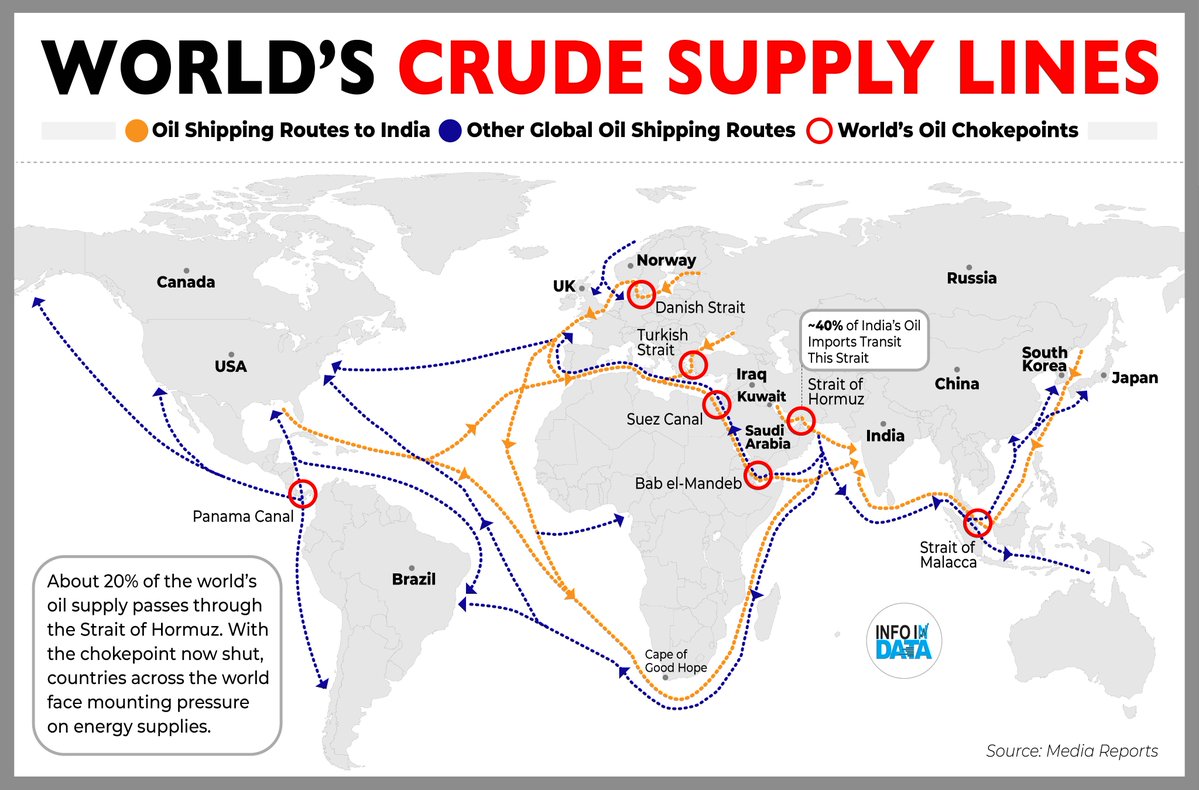
The blockade has caused oil prices to surge, triggering global economic concerns. According to Bloomberg, energy markets have reacted sharply to the instability.
Shipping volumes through the strait have dropped by more than 90%, severely impacting global supply chains.
US Strategy and Backchannel Diplomacy
While public rhetoric remains aggressive, behind-the-scenes diplomacy appears to be ongoing. Reports from Reuters indicate that US officials, including Vice President JD Vance, are using intermediaries to explore ceasefire options.
The primary condition remains the reopening of the Strait of Hormuz, which Washington views as essential for stabilizing global markets.
However, Iranian officials have pushed back strongly. Ebrahim Azizi, a senior Iranian lawmaker, stated that the strait would only reopen under conditions favorable to Tehran, rejecting US demands outright.
Nuclear Concerns Resurface
Another critical dimension of the conflict is Iran’s nuclear program. The existence of a highly enriched uranium stockpile has long been a point of contention.
Interestingly, Donald Trump has recently downplayed the threat, suggesting that the US could monitor the situation remotely rather than eliminate it entirely.
According to Financial Times, this shift in tone reflects a broader strategic recalibration. Critics argue that such an approach could leave significant risks unaddressed.
Regional Retaliation and Ongoing Attacks
Retaliatory strikes continue to fuel the conflict. Iran has launched ballistic missiles into central Israel, while allied groups—including the Houthis and Hezbollah—have carried out coordinated attacks.
The Israeli military has urged civilians to remain vigilant, particularly during sensitive periods such as religious holidays.
Coverage from Sky News notes that the situation remains highly unpredictable, with the potential for further escalation.
YOU MAY LIKE:
Conclusion
The reality that Israel hits Iran and kills top Hezbollah commander underscores the severity of the current crisis. Despite claims of an imminent ceasefire, the situation on the ground tells a very different story—one of escalating violence, mounting casualties, and growing global consequences.
With diplomatic efforts struggling to gain traction and military operations intensifying, the Middle East stands at a critical crossroads. The coming days will determine whether backchannel negotiations can bring about de-escalation or if the region will slide further into a prolonged and devastating war.
References
- Reuters – Israel-Iran conflict updates
🔗 https://www.reuters.com/world/middle-east/ - BBC News – Middle East war analysis
🔗 https://www.bbc.com/news/world-middle-east
Keep the Headlines Fresh!

Quality news takes time, effort, and a whole lot of coffee. If you value what we do at eKayNews, consider “buying a round” for the team!
-
Join the Inner Circle: Set up a custom subscription.
-
The Instant Jolt: Send a one-time “coffee” donation.
Why trust us? We use PayFast for 100% secure, encrypted transactions. Your data stays yours; the news stays ours.
To our amazing readers: You’re the reason we’re first on the scene. Thanks for being part of the family!
Feel the Pulse of the News with eKayNews!

Join the ever-growing eKayNews community and stay connected to the stories that matter. Follow us on Facebook, X, and WhatsApp for real-time updates, breaking news, and exclusive alerts straight to your feed. Your support keeps us digging deeper and sharing the news you can trust.
Stay Connected:
-
Facebook: [eKayNews on Facebook]
-
X (Twitter): [eKayNews on X]
-
WhatsApp: [Join the eKayNews WhatsApp Channel]
Become part of our inner circle and get instant news alerts as events unfold across South Africa and beyond!
Promote Your Brand with eKayNews
Looking to reach a wide, engaged audience? Explore our advertising packages:
-
Link Booster: 7 links to 7 articles over 7 days – R2,500
-
Permanent Feature: Sponsored blog article hosted permanently – R4,000
-
Prime Visibility: Home page banner ad for 30 days – R5,000
Don’t miss your chance to connect with our audience. Book your package today via email at info@ekaynews.co.za or WhatsApp us on +27710961185.
Be part of a platform where news meets community—stay informed, stay ahead, stay with eKayNews!