Johannesburg Electricity Price Increase: Residents Face Hefty 12.4% Hike
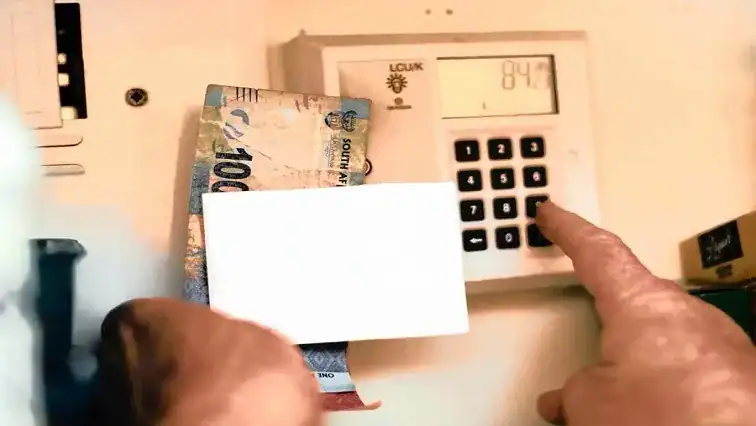
Johannesburg, South Africa – Johannesburg electricity price increase takes effect today, as City Power customers brace for an across-the-board increase of 12.4% for electricity, in line with the City’s approved tariffs for the 2025/26 financial year. This significant hike will undoubtedly place additional strain on household budgets already grappling with rising living costs in the economic hub of South Africa.
The move comes as municipalities across the country adjust their utility charges, with many exceeding the general inflation rate. For residents of Johannesburg, this means a considerable adjustment to their monthly expenses, impacting everything from daily consumption to long-term financial planning. The increase, approved by the National Energy Regulator of South Africa (NERSA) as part of the new tariffs structure, reflects a broader trend of escalating energy costs and the ongoing challenges faced by power utility providers.
The Breakdown: What the Increase Means for Your Bill
Johannesburg electricity price increase is not merely a number; it translates into tangible rand and cent impacts on every household and business connected to City Power. While the official average increase is 12.4%, the actual impact on individual customers will vary based on their consumption patterns and specific tariff structures. For instance, some reports indicate that the inclining block tariff system means that the more electricity a customer consumes, the higher the rate they will pay per unit. This system aims to encourage energy efficiency, but it also means that high-consumption households will feel the pinch more acutely.
The tariffs are designed to help City Power cover its operational costs, maintain infrastructure, and invest in future power supply stability. However, residents are questioning the justification for such a steep increase, particularly amidst ongoing challenges like loadshedding and inconsistent service delivery. The balancing act between the utility’s financial needs and the affordability for its consumers remains a contentious issue.
Navigating the New Normal: Impact on Johannesburg Residents
The ripple effect of the Johannesburg electricity price increase extends beyond individual electricity bills. Businesses, particularly small and medium enterprises (SMEs), will likely face increased operational costs, which could lead to higher prices for goods and services, further fueling inflation. This creates a challenging environment for economic growth and job creation in the metropolitan area.
Households, especially low-income and vulnerable communities, are expected to be disproportionately affected. While City Power and the City of Johannesburg have mechanisms in place, such as indigent policies and rebates for qualifying households, the general increase will still place immense pressure on already stretched budgets. Concerns have been raised about the potential for increased debt to the municipality as residents struggle to keep up with the rising costs of essential services.
The City of Johannesburg has emphasized the need for sound fiscal management and the importance of residents paying for services to ensure the continued provision and maintenance of vital infrastructure. However, consumer organizations and advocacy groups have consistently highlighted the need for greater transparency in how these tariffs are determined and how the revenue is utilized. The debate around the sustainability of current pricing models and the efficacy of service delivery will undoubtedly continue.
Energy Efficiency: A Crucial Response to Rising Costs
In light of the significant Johannesburg electricity price increase, residents are increasingly exploring ways to mitigate the financial impact. Energy efficiency is no longer just an environmental concern but an economic imperative. Simple changes in household habits can lead to noticeable savings on electricity bills.
Tips for residents include:
- Switching off lights and appliances when not in use.
- Optimising geyser usage by setting timers or switching it off when not needed.
- Investing in energy-efficient appliances and LED lighting.
- Considering alternative energy solutions like solar power, although the initial investment can be substantial for many households.
City Power and the City of Johannesburg have also encouraged residents to report illegal connections and instances of electricity theft, as these contribute to significant revenue losses for the utility and ultimately impact the tariffs paid by law-abiding citizens. Efforts to improve the reliability of the grid and reduce technical and non-technical losses are crucial for a more sustainable electricity future.
Looking Ahead: The Future of Electricity Tariffs in Johannesburg
The 2025/26 financial year marks another step in the escalating cost of electricity for Johannesburg residents. While the immediate focus is on managing the current increase, the long-term outlook remains a concern. Factors such as Eskom’s own tariff increases to municipalities, the cost of bulk power purchases, and the operational efficiency of City Power will continue to influence future adjustments.
The City has indicated that it is committed to providing essential services while ensuring financial sustainability. However, the onus is increasingly falling on residents to adapt to the changing economic landscape and find innovative ways to manage their energy consumption. The ongoing dialogue between the municipality, its residents, and regulatory bodies will be critical in shaping the future of tariffs and the overall affordability of services in Johannesburg.
As the city navigates these financial pressures, proactive communication from City Power regarding the reasons behind the increases, details of tariff structures, and available support for vulnerable customers will be paramount in fostering understanding and mitigating public frustration. The effectiveness of these measures will determine how well Johannesburg residents weather the storm of rising electricity costs.
References from South African Mainstream Media:
- SABC News: “Joburg residents to dig deeper in their pockets for electricity” – https://www.sabcnews.com/sabcnews/joburg-residents-to-dig-deeper-in-their-pockets-for-electricity/ (Note: This is likely the source of the initial prompt information, a general news article about the immediate tariff hike.)
- EWN (Eyewitness News): “City Power customers to pay more for electricity as new tariff hike takes effect” – https://www.ewn.co.za/2025/07/01/city-power-customers-to-pay-more-for-electricity-as-new-tariff-hike-takes-effect
- MyBroadband: “Electricity price increases kick in” – https://mybroadband.co.za/news/energy/600764-electricity-price-increases-to-kick-in-today.html (Provides a broader context of increases across various municipalities)
- Daily Maverick: “City of Joburg’s proposed tariff hikes ‘a blow to the poor'” – https://www.dailymaverick.co.za/article/2025-04-03-mayor-morero-faces-backlash-over-proposed-tariff-hikes-as-financial-strain-deepens-in-joburg/ (Focuses on the public and political reaction to the proposed hikes)
- Sunday World: “Joburg hits residents with 12.74% increase for electricity, 13.9% for water” – https://sundayworld.co.za/news/joburg-hits-residents-with-12-74-increase-for-electricity-13-9-for-water/ (Details other utility increases alongside electricity and city’s rebate efforts)
RELATED STORIES: eKayNews.co.za