MTN and Telkom acquisition talks in South Africa: A tapestry of cultures and traditions
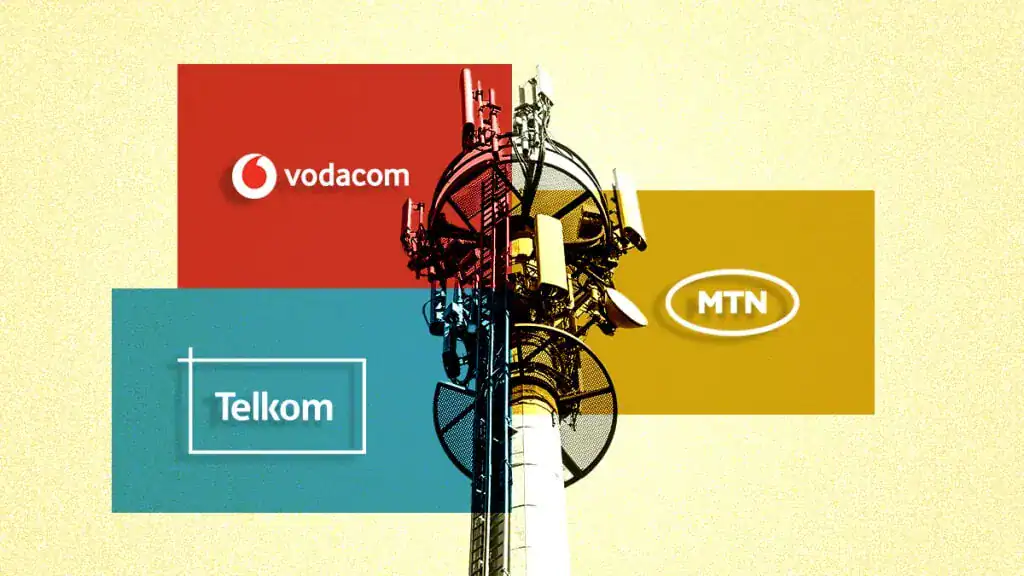
MTN and Telkom acquisition talks in South Africa: A tapestry of cultures and traditions are once again making headlines as Africa’s largest wireless carrier considers reviving discussions to buy its smaller rival, Telkom SA. The possibility of such a merger sparks not only financial and market implications but also broader discussions about competition, government regulation, and the need for sustainable telecommunications infrastructure across South Africa.
The Revival of MTN and Telkom Acquisition Talks
MTN, a dominant force in South Africa telecommunications, has reportedly reopened the possibility of acquiring Telkom. According to industry sources, negotiations could resume before the end of the year, although there is no guarantee that these acquisition talks will result in a finalized deal.
Telkom, meanwhile, has been engaging advisers to evaluate potential strategies in case of another takeover bid. Both companies remain tight-lipped, with representatives declining to comment officially.
This isn’t the first time MTN and Telkom have entered into discussions. Back in 2022, the companies attempted talks but walked away due to disagreements over exclusivity and antitrust concerns. A merger between MTN and Telkom would have created South Africa’s most dominant mobile operator, raising competition concerns from regulators.
Market Reactions and Share Movements
The latest rumors surrounding MTN and Telkom acquisition talks in South Africa: A tapestry of cultures and traditions have already caused ripples in the stock market. Telkom’s shares surged by as much as 16% to R56.90 in Johannesburg, marking their biggest intraday gain since July 2022.
MTN’s shares, on the other hand, slipped slightly by 0.8% to R138.70. The divergence in share movements reflects investor optimism for Telkom’s potential valuation boost while showing cautious sentiment regarding MTN’s cost and regulatory risks.
Currently, Telkom is valued at around R25 billion, having risen over 40% since the collapse of the earlier 2022 talks.
Competition and the Regulatory Landscape
South Africa’s telecommunications sector is tightly regulated, with the Competition Commission and other authorities carefully scrutinizing mergers to avoid monopolies. The 2022 breakdown of negotiations was largely attributed to exclusivity disagreements and concerns about market dominance.
However, the landscape has shifted. Rival Vodacom Group successfully secured a stake in Remgro’s fiber business after years of regulatory back-and-forth. This precedent may embolden MTN to push harder for a merger with Telkom, believing that approval is now more likely.
The South Africa telecommunications sector is central to national development goals. The government has emphasized better connectivity, rural network expansion, and infrastructure sharing to avoid duplication of resources. A merger between MTN and Telkom could align with these objectives, provided it passes competition hurdles.
Strategic Moves Inside MTN
To strengthen its mergers and acquisitions capacity, MTN appointed its Chief Financial Officer, Tsholofelo Molefe, to head its M&A division. Molefe’s background as a former Telkom executive provides MTN with insider experience and strategic insight into Telkom’s operations.
This leadership shift signals MTN’s seriousness about potential acquisitions. By consolidating resources and expertise, MTN aims to compete more aggressively with Vodacom, South Africa’s market leader, which is majority-controlled by Vodafone Group Plc.
Implications for the South African Telecommunications Industry
The potential merger of MTN and Telkom has far-reaching implications for South Africa:
-
Increased Competition with Vodacom: A combined MTN–Telkom entity would create a powerful competitor to Vodacom, potentially altering pricing, data packages, and service delivery across the country.
-
Infrastructure Efficiency: By avoiding duplicated network investments, the companies could reduce operational costs while expanding services into underserved rural regions.
-
Regulatory Balance: Authorities must weigh the benefits of improved connectivity against risks of market dominance and reduced competition.
-
Investor Confidence: Shareholders will closely monitor developments, as Telkom’s stock value is already benefiting from speculation.
A Tapestry of Cultures and Traditions in Business Strategy
While the phrase “MTN and Telkom acquisition talks in South Africa: A tapestry of cultures and traditions” may sound poetic, it symbolizes the broader dynamics at play. South Africa’s telecommunications sector reflects a mix of corporate cultures, government policies, investor expectations, and consumer demands.
The “tapestry” is not just about financial transactions—it highlights the need for collaboration between large corporations, regulatory authorities, and communities. For rural South Africans who struggle with poor connectivity, such mergers could bring transformative change.
At the same time, the diversity of interests—from shareholders seeking profit to regulators safeguarding competition—represents the different “threads” woven into the nation’s economic fabric.
Looking Ahead – What Comes Next?
As discussions continue, the future of MTN and Telkom acquisition talks in South Africa remains uncertain. There is no guarantee that negotiations will lead to a signed agreement. Challenges remain, including regulatory approval, valuation disputes, and strategic alignment.
However, if successful, the merger could mark one of the most significant deals in South Africa’s telecommunications history. It would reshape the market, intensify competition with Vodacom, and accelerate progress toward the government’s connectivity goals.
Conclusion
The revival of MTN and Telkom acquisition talks in South Africa: A tapestry of cultures and traditions reflects more than a business transaction. It is about the intersection of market power, regulation, and national development. Whether the talks succeed or stall, they underscore the importance of telecommunications as the backbone of modern economies.
As the world watches, South Africa stands at a crossroads: balancing competition, investment, and connectivity to ensure its people benefit from a rapidly evolving digital future.
Kindly consider to support eKayNews, further consider buying us a virtual coffee or subscribe to any amount of your choice also in the links below or check at the footer of website

Payment handled by Pay fast the most and eKayNews doesn’t access your payments details at all:
Subscribe with any amount and cancel anytime:
Subscribe any amount of your choice:
Consider Buy us once off virtue coffee of any amount
Your incredible generosity in financially contributing to eKayNews fills our hearts with profound gratitude. Thank you, truly.
>Your support is the very lifeline that allows us to remain online, to continue our work, and most importantly, to keep serving you with the news and information you rely on.
No matter the size, makes a tangible difference and empowers us to keep going.
From the entire team at eKayNews, thank you for being such a vital part of our community. We are committed to continuing to serve you even better, thanks to your kindness
We’re grateful for your Love and support of eKayNews

Thank you supporting eKayNews! Follow us for the latest news and updates. We appreciate your readership and engagement.
eKayNews on Facebook
eKayNews on X
Follow the eKayNews What Sapp: News Channel