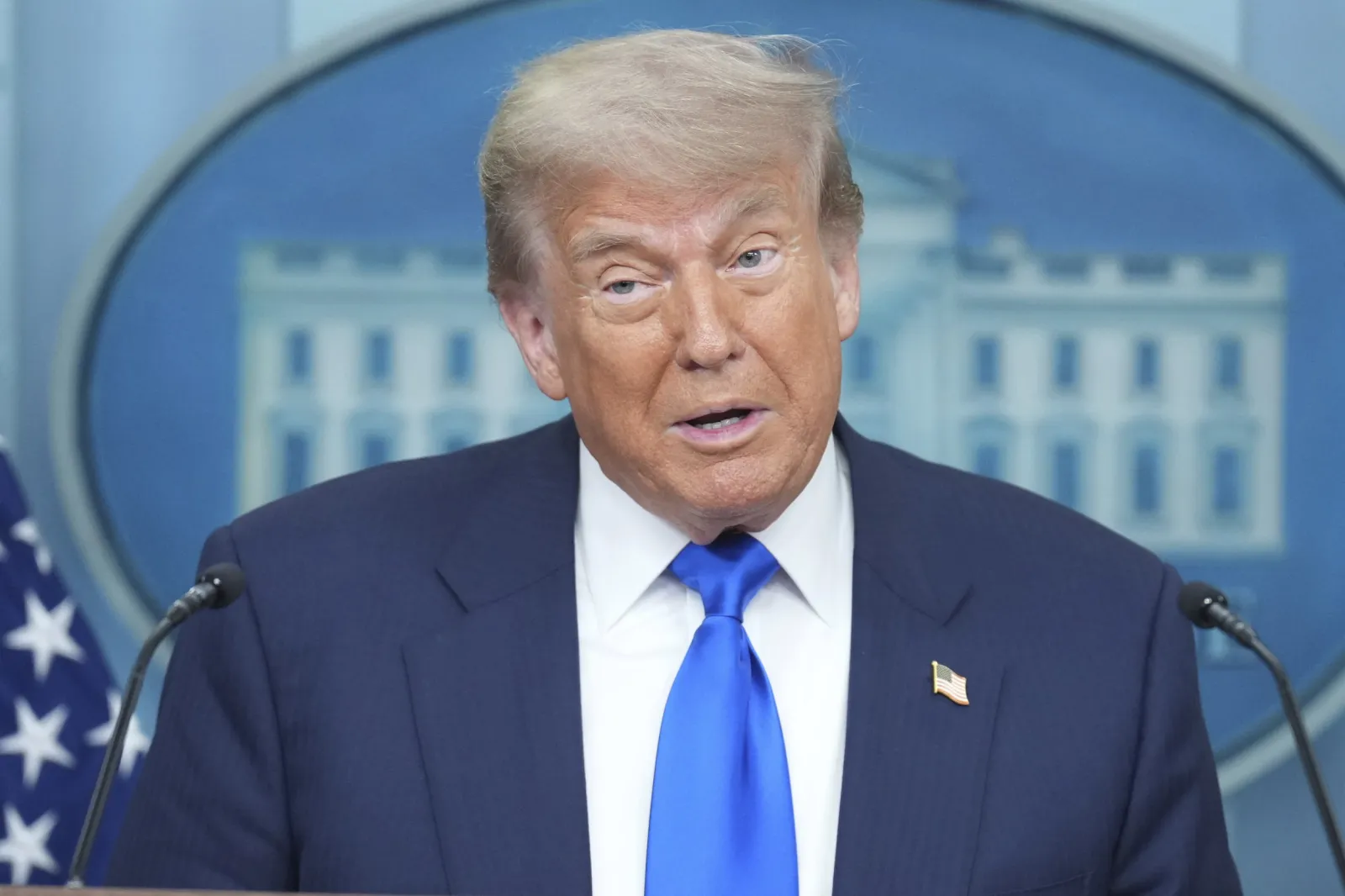
Senate to Vote on War Powers to Stop Trump Iran Conflict
Senate to vote on war powers to stop Trump Iran conflict as political tensions rise in Washington over the legality and scope of ongoing US military operations against Iran. The vote comes amid escalating violence in the Middle East, mounting civilian casualties, and growing concern over the economic and geopolitical fallout of a prolonged war involving the United States, Israel, and Iran.
The debate has placed Donald Trump and the US Congress on a collision course, reigniting long-standing constitutional arguments over who holds the authority to take the nation to war.
US Congress Faces Defining Vote on War Powers
The Senate is expected to vote on a Democratic-backed war powers resolution aimed at preventing President Trump from continuing US involvement in the conflict with Iran without explicit congressional approval. Republicans are widely expected to vote down the measure, reinforcing partisan divisions over foreign policy, executive authority, and national security.
The resolution was introduced by Democratic senators Tim Kaine, Adam Schiff, and Chuck Schumer, and would require the Trump administration to halt military operations unless Congress formally authorises continued engagement.
At the heart of the debate is whether the Trump administration violated the War Powers Resolution by launching airstrikes against Iran without first consulting lawmakers.
Trump Administration Defends US–Israel War on Iran
The Trump administration has defended its actions, arguing that the president has sufficient authority to act in defence of US interests and allies, particularly amid coordination with Israel in strikes targeting Iranian military infrastructure.
Republican Senate Majority Leader John Thune stated that Trump is “acting in the best interest of the nation,” asserting that the president has the legal authority to conduct ongoing military operations.
Supporters of the administration argue that swift action was necessary to protect US personnel, regional allies, and strategic assets amid what they describe as an imminent threat posed by Iran.
Democrats Condemn Unauthorised Military Action
Democrats, however, have sharply criticised the Trump administration for what they describe as unilateral and unconstitutional action. Senator Tim Kaine emphasised that the US should not be at war without a full debate and vote in Congress, warning that bypassing lawmakers places American troops at unnecessary risk.
The resolution would force an end to US participation in the conflict unless Congress approves renewed engagement, reinforcing the constitutional principle that only lawmakers have the authority to declare war.
Senator Chris Murphy acknowledged that the measure is likely to fail but argued the vote is still crucial in holding the administration accountable and informing the public.
Trump Administration’s Rationale Under Scrutiny
One of the most contentious issues surrounding the US–Israel war on Iran is the Trump administration’s shifting justification for military action. Officials have cited threats to US forces, intelligence assessments, and regional stability, yet critics argue that the lack of a consistent explanation weakens the case for war.
Senator John Fetterman announced he would oppose the resolution, complicating Democratic efforts to reach the 50 votes needed for it to advance. With Democrats holding 47 seats, they would need at least five Republicans to break ranks—an increasingly unlikely scenario.
House of Representatives Mirrors Senate Divide
Similar divisions are playing out in the House of Representatives, where Democrat Ro Khanna and Republican Thomas Massie have introduced a parallel war powers resolution.
House Speaker Mike Johnson has warned that restricting the president’s authority during an active conflict would be “dangerous,” signalling strong Republican resistance.
Even if both chambers passed a war powers resolution, President Trump could veto it, requiring a two-thirds majority in both the House and Senate to override—a near-impossible hurdle under current political conditions.
Human Cost and Middle East War Developments
The vote comes as the human toll of the conflict continues to mount. According to Iranian sources, hundreds of civilians have been killed, while US forces have also suffered casualties. The conflict has expanded beyond Iran, with intensified military activity across the region heightening fears of a broader Middle East war.
Escalating Middle East war developments have also disrupted global energy markets, particularly after Iran threatened shipping routes near the Strait of Hormuz—an area vital to global oil supply.
Strait of Hormuz Oil Market Impact
Global markets have reacted nervously to the unfolding crisis. Oil prices have surged, shipping insurers have raised premiums, and investors fear prolonged instability if hostilities continue. Analysts warn that any sustained disruption in the Strait of Hormuz could have far-reaching consequences for inflation, fuel prices, and global economic growth.
The Strait of Hormuz oil market impact has become a central concern for lawmakers weighing the costs of prolonged military engagement without congressional oversight.
Constitutional Debate at the Centre of US Politics
Beyond immediate military considerations, the Senate vote underscores a deeper constitutional debate that has shaped US politics for decades: the balance of power between the executive branch and Congress in matters of war.
Senator Rand Paul echoed these concerns, arguing that the Constitution deliberately vested war-making authority in Congress to make armed conflict less likely.
Some Republican lawmakers have expressed scepticism about entering another Middle East conflict, noting that Trump previously campaigned against new foreign wars.
YOU MAY LIKE:
What the Vote Means Going Forward
While the war powers resolution is widely expected to fail, analysts say the vote will serve as a symbolic referendum on Trump’s foreign policy and the limits of presidential authority. It also offers lawmakers an opportunity to place their positions on record ahead of future elections.
As the conflict with Iran continues and regional instability grows, pressure on Congress to assert its constitutional role may intensify—regardless of the outcome of this week’s vote.
For now, the Senate to vote on war powers to stop Trump Iran conflict remains a pivotal moment in the ongoing struggle between executive power, legislative oversight, and America’s role in an increasingly volatile Middle East.
Mainstream Media References
-
Senate to vote on war powers resolution to prevent Trump from continuing Iran conflict – The Guardian reports that the US Senate is expected to vote on a Democratic-backed war powers resolution that would block President Trump from continuing military operations against Iran without Congressional approval, highlighting Republican resistance and debate over executive authority.
-
US lawmakers set to vote on war powers as Iran conflict widens – Reuters explains that lawmakers are preparing to vote on a bipartisan war powers resolution intended to limit Donald Trump’s unilateral military actions amid the escalating US–Israel war on Iran, emphasising growing congressional effort.
Kindly consider to support eKayNews, Buy Us a Coffee & Keep the News Flowing!

Love what we do? You can now support eKayNews directly! Your contributions empower us to deliver the breaking news, sports, and local updates you trust.
Ways to Support:
-
Subscribe: Choose any amount (cancel anytime).
-
Virtual Coffee: A quick, once-off donation to say thanks.
Note: Payments are 100% secure via PayFast. We never see your banking details.
To our amazing readers: Your support fills us with gratitude. You are the reason we can keep doing this every day. Thank you for being a vital part of the eKayNews family!
We’re feeling the love at eKayNews!

Facebook: [eKayNews on Facebook] X (Twitter): [eKayNews on X] WhatsApp: [Follow the eKayNews WhatsApp Channel] Join our inner circle for real-time news alerts!
📢 Advertising Packages on www.eKayNews.co.za
Package 1. Link Booster: We add 7 links to 7 articles over 7 days – R2,500
Package 2. Permanent Feature: Sponsored Blog Article (hosted permanently) – R4,000
Package 3. Prime Visibility: Home Page Banner Ad (30 days) – R5,000
Book now: Email info@ekaynews.co.za or WhatsApp us on +27710961185