Donald Trump Warns ‘Clock is Ticking for Iran’ to Reach Peace Deal
Trump warns ‘clock is ticking for Iran’ to reach peace deal, setting the stage for what could be a defining moment in modern Middle Eastern geopolitics. We are actively restarting our comprehensive coverage of the escalating US-Israeli war on Iran, alongside Israel’s parallel war on Lebanon. Donald Trump has officially issued an extreme and uncompromising warning to Tehran, demanding that the nation quickly agree to a comprehensive peace deal with the United States or face absolute devastation.
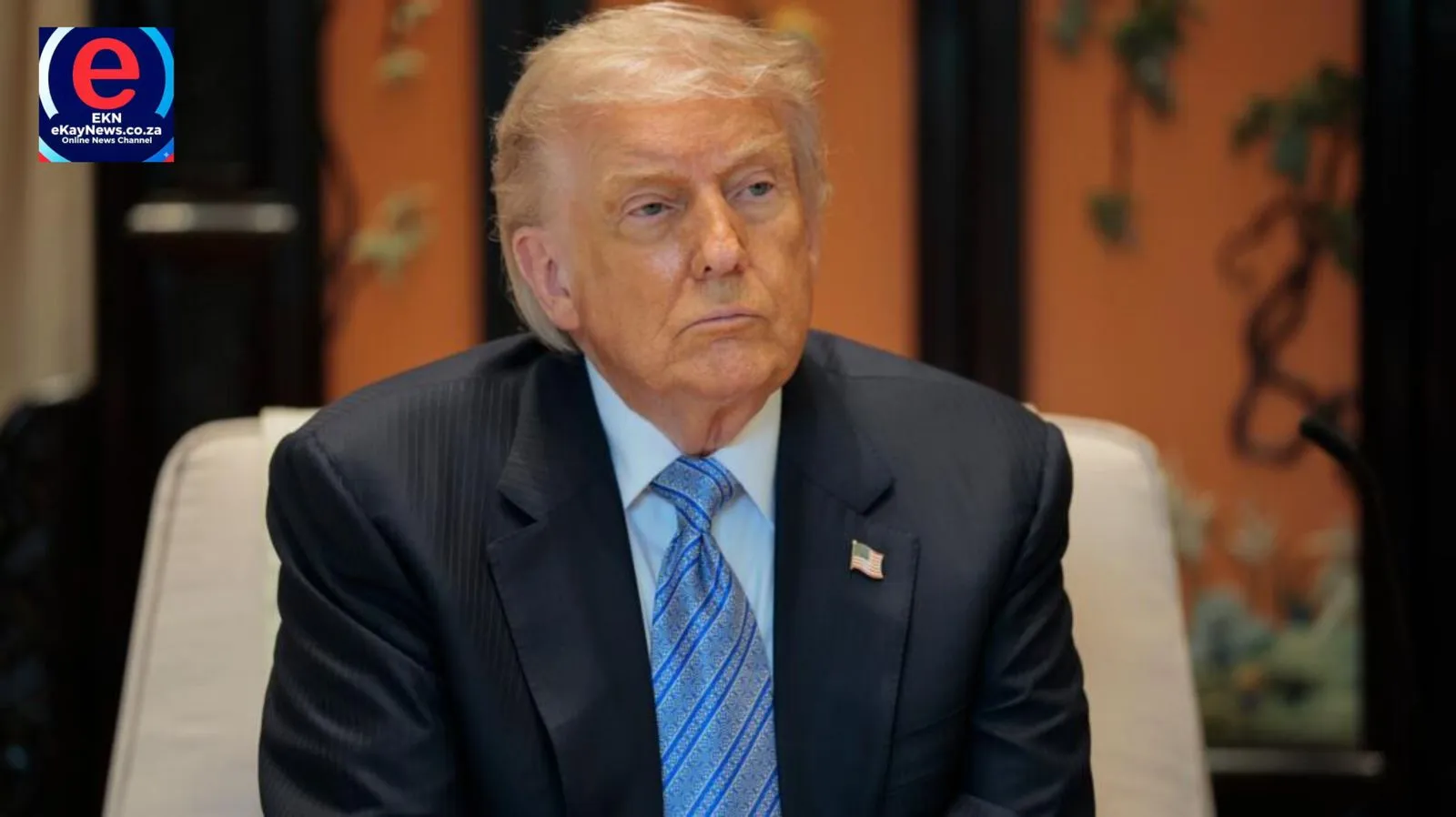
As Washington struggles intensely to break a stubborn diplomatic impasse on ending the multi-front war, the US president took to his Truth Social platform on Sunday to broadcast his ultimatum. In a highly publicized post, he stated: “For Iran, the Clock is Ticking, and they better get moving, FAST, or there won’t be anything left of them. TIME IS OF THE ESSENCE!”
This aggressive rhetoric marks a significant escalation in the ongoing conflict between the United States, Israel, and Iran, which originally intensified following major coordinated strikes that began on February 28. The global community is now watching closely as the window for diplomacy appears to be rapidly closing, with military alternatives seemingly being prepared in the background.
The Threat of an Unprecedented Regional War
If Trump warns ‘clock is ticking for Iran’ to reach peace deal and those warnings are ignored, the geopolitical fallout will likely trigger an unprecedented regional war. The immediate consequences of the stalled negotiations are already rippling across the Middle East. According to a recent report from the US media outlet Axios, President Donald Trump is expected to meet with his top national security advisers on Tuesday. The primary agenda for this high-level security briefing is to discuss and evaluate concrete options for direct military action against Iran.
The stakes for such a military intervention cannot be overstated. The ongoing war has already contributed to severe regional instability and caused major disruptions in global energy supplies. The Strait of Hormuz, a critical maritime chokepoint and key shipping route for global oil exports, remains highly vulnerable. Any direct military confrontation authorized by Washington would likely see this vital waterway disrupted, sending global energy markets into a tailspin and sparking a severe international economic crisis.
Diplomatic efforts to end the conflict and prevent this regional war have so far made very limited progress. Washington and Tehran had previously agreed to a tentative truce on April 8, which offered a brief glimmer of hope to international observers. However, those delicate negotiations have since completely stalled. Both sides are currently locked in a bitter standoff, repeatedly accusing the other of acting in bad faith and failing to offer any meaningful concessions at the negotiating table.
Iranian media networks have widely reported that the latest US proposal in the negotiations included incredibly strict demands. Washington is reportedly insisting that Iran limit its entire nuclear programme to a single, heavily monitored facility. Furthermore, the US is demanding the complete transfer of Iran’s enriched uranium stockpile directly into US custody.
In response, Iranian outlets highlighted that Washington had completely failed to offer the release of billions of dollars in frozen Iranian assets. Furthermore, the US has reportedly refused to provide any financial compensation for wartime damage inflicted upon Iranian infrastructure. These rigid conditions have deeply offended officials in Tehran, hardening their negotiating position and making a mutual agreement incredibly difficult to achieve. Iranian sources quoted by domestic media described the US proposals as heavily “one-sided,” explicitly stating that such aggressive demands risk pushing the crucial peace talks into an irreversible deadlock.
UAE Drone Strike Highlights Escalating Vulnerabilities
The fragility of the current situation was violently underscored over the weekend. Just as Trump warns ‘clock is ticking for Iran’ to reach peace deal, a sophisticated drone strike in the United Arab Emirates caused a dangerous fire at the Barakah nuclear power plant. The UAE government immediately condemned the attack, calling it a “dangerous escalation” of regional hostilities, and firmly blamed the incident on Iran or its heavily armed regional proxies.
While Emirati authorities confirmed that the fire was contained and did not result in any casualties or catastrophic radiation leaks, the psychological and strategic impact of targeting a nuclear facility is profound. The incident is currently under intense international investigation. Concurrently, neighboring Saudi Arabia reported successfully intercepting three hostile drones attempting to breach its airspace, further demonstrating the synchronized nature of the regional unrest.
While Iran-backed groups operating in Iraq and Yemen have previously been heavily accused of possessing and actively using advanced suicide drones in various regional attacks, no direct, irrefutable link has been publicly confirmed regarding this latest UAE nuclear plant incident. Nevertheless, the timing of the strike—coinciding with the breakdown of US-Iran talks—suggests a coordinated effort by shadow proxy groups to apply violent leverage against US allies in the Gulf.
Lebanon Ceasefire Demands Complicate the Peace Deal
To fully understand why the broader peace deal is failing, one must look closely at the interconnected conflicts currently burning across the Levant. Tehran has explicitly demanded a lasting, permanent ceasefire in Lebanon as an absolute prerequisite before it will even consider signing any broader peace deal with Washington.
However, the situation in Lebanon is deteriorating just as rapidly as the situation in the Persian Gulf. Israel’s relentless airstrikes killed seven people in Lebanon on Sunday, according to Lebanese authorities and state media. Among the deceased was a prominent senior commander of the Islamic Jihad militant group. This targeted assassination occurred despite the existence of a highly fragile, heavily monitored ceasefire agreement in the area.
The continued Israeli military operations on Lebanese soil have infuriated Tehran’s primary regional ally, Hezbollah. The powerful militant organization publicly dismissed the current US-brokered talks between Lebanon and Israel, labeling the entire diplomatic process a complete “dead end.” As long as Israeli forces continue their campaign against Iranian-backed leadership in Lebanon, Tehran views any US peace proposals as entirely hypocritical.
Because Trump warns ‘clock is ticking for Iran’ to reach peace deal, the pressure on all regional actors has reached a boiling point. The interconnected nature of these proxy conflicts means that a resolution in the Persian Gulf is inherently tied to the violence in the Levant. If Washington cannot successfully rein in Israeli military operations in Lebanon, Tehran will almost certainly refuse to hand over its enriched uranium or limit its nuclear ambitions.
YOU MAY LIKE:
The Final Countdown for Diplomacy
As Tuesday’s critical national security meeting in Washington approaches, the world braces for the potential fallout of a collapsed diplomatic channel. The uncompromising nature of the demands from both sides leaves very little room for traditional political maneuvering. If the US refuses to unfreeze Iranian financial assets, and Iran refuses to abandon its nuclear leverage without a Lebanese ceasefire, the “ticking clock” referenced by the US President will inevitably run out of time.
The reality of the situation is stark. Trump warns ‘clock is ticking for Iran’ to reach peace deal, and the aggressive posturing on Truth Social suggests that the current US administration is fully prepared to transition from economic sanctions to kinetic military operations. With global oil supplies hanging in the balance, nuclear facilities in the UAE coming under drone fire, and the death toll in Lebanon continuing to rise, the Middle East is standing on the precipice of a historical, multi-front conflagration. The next few days will be absolutely critical in determining whether diplomatic concessions can be salvaged, or if the region will plunge into a devastating, irreversible war.
Mainstream Media References
-
The Guardian: Middle East crisis live: Trump warns ‘clock is ticking’ for Iran to reach peace deal
-
The Times of India: ‘There won’t be anything left’: Trump says ‘clock is ticking’ for Iran as nuclear talks stall
Kindly consider to support eKayNews, Buy Us a Coffee & Keep the News Flowing!

Love what we do? You can now support eKayNews directly! Your contributions empower us to deliver the breaking news, sports, and local updates you trust.
Ways to Support:
-
Subscribe: Choose any amount (cancel anytime).
-
Virtual Coffee: A quick, once-off donation to say thanks.
Note: Payments are 100% secure via PayFast. We never see your banking details.
To our amazing readers: Your support fills us with gratitude. You are the reason we can keep doing this every day. Thank you for being a vital part of the eKayNews family!
We’re feeling the love at eKayNews!

Facebook: [eKayNews on Facebook] X (Twitter): [eKayNews on X] WhatsApp: [Follow the eKayNews WhatsApp Channel] Join our inner circle for real-time news alerts!
📢 Advertising Packages on www.eKayNews.co.za
Package 1. Link Booster: We add 7 links to 7 articles over 7 days – R2,500
Package 2. Permanent Feature: Sponsored Blog Article (hosted permanently) – R4,000
Package 3. Prime Visibility: Home Page Banner Ad (30 days) – R5,000
Book now: Email info@ekaynews.co.za or WhatsApp us on +27710961185