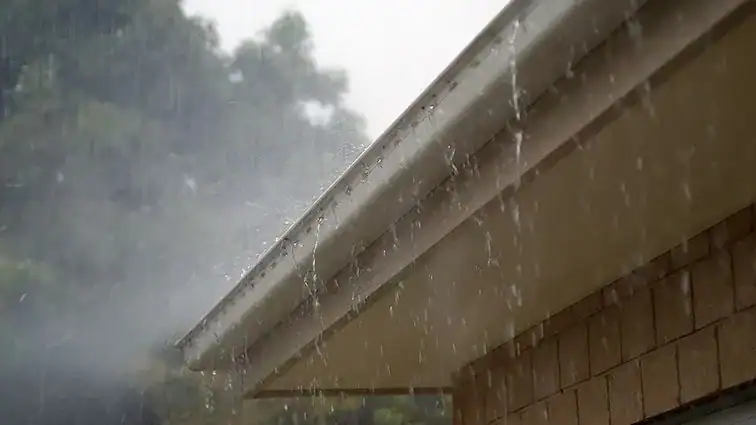
Yellow Level 2 Weather Warning Gauteng Flooding
The Yellow Level 2 weather warning Gauteng flooding alert has been issued by the South African Weather Service (SAWS), cautioning residents about the possibility of heavy downpours that could lead to dangerous flooding in parts of Gauteng. The warning, which comes at a crucial time when seasonal rainfall is intensifying, serves as a reminder for citizens to stay alert and prepared for potentially disruptive weather conditions.
Understanding the Yellow Level 2 Weather Warning
A Yellow Level 2 weather warning indicates a moderate level of concern where localized flooding and travel disruptions are possible. According to the South African Weather Service, this type of warning does not signal widespread disaster but emphasizes that vulnerable areas, including low-lying regions, roads, and informal settlements, may experience water-related impacts.
In the context of Gauteng flooding, the warning highlights risks such as:
-
Flash floods in urban centers due to poor drainage.
-
Overflow of rivers and streams.
-
Transport disruptions, especially on major highways like the N1, N3, and M1.
-
Power outages caused by storm-related damage.
By issuing this warning, SAWS aims to equip Gauteng residents with sufficient time to plan ahead and take protective measures.
Gauteng at Risk: Why Heavy Downpours Pose a Threat
The province of Gauteng is home to Johannesburg, Pretoria, and several densely populated towns, making it especially vulnerable during periods of heavy downpours. The urban sprawl, limited drainage systems, and large population density increase the risk of flooding events.
Recent history has shown how quickly storms can escalate:
-
In 2022, torrential rains caused flash floods in parts of Soweto and Centurion, leaving hundreds displaced.
-
Informal settlements near rivers such as the Jukskei have been repeatedly hit by flooding, with tragic consequences.
-
Johannesburg’s stormwater drainage system often becomes overwhelmed, leading to flooded streets and damage to vehicles.
The Yellow Level 2 weather warning Gauteng flooding therefore serves as a critical advisory for residents to stay cautious and avoid unnecessary travel during storms.
What Residents Should Do During the Yellow Level 2 Warning
To minimize risks during this period of weather warnings, the South African Weather Service recommends several precautionary steps:
-
Avoid Flood-Prone Roads – Do not attempt to cross submerged roads or bridges. Even shallow water can sweep vehicles away.
-
Stay Indoors Where Possible – Limit movement during peak storms to reduce exposure to risks like falling trees or lightning.
-
Secure Property – Clear gutters, tie down loose items, and ensure drains around your home are not blocked.
-
Prepare Emergency Kits – Keep essentials like bottled water, flashlights, and first-aid supplies ready.
-
Monitor Updates – Follow SAWS weather alerts and trusted news platforms like eKayNews for real-time updates.
These steps can help reduce the potential impacts of Gauteng flooding and safeguard lives and property.
Role of the South African Weather Service in Public Safety
The South African Weather Service plays a vital role in monitoring climate patterns and issuing timely warnings to the public. With advanced meteorological technology and satellite data, SAWS tracks storm systems that could bring heavy downpours and localized flooding.
Their Yellow Level 2 weather warning Gauteng flooding alert is part of a tiered warning system designed to help residents and authorities prepare appropriately. By categorizing alerts from Yellow to Red, SAWS enables communities to understand the severity of weather events and take action accordingly.
Economic and Social Impact of Flooding in Gauteng
Flooding in Gauteng does not only pose immediate dangers to human life but also has long-lasting economic and social impacts. Businesses suffer when employees cannot commute, deliveries are disrupted, or stock is damaged by water. Road closures and infrastructure damage can cost millions in repairs, while insurance claims spike after severe storms.
On a social level, communities living in informal settlements are disproportionately affected. Floodwaters often sweep through poorly constructed housing, leaving families homeless and dependent on emergency shelters. Children may miss school due to unsafe travel conditions, while health risks rise due to waterborne diseases.
These ripple effects demonstrate why the Yellow Level 2 weather warning Gauteng flooding is not just a weather update but a signal for coordinated preparedness across society.
Government and Emergency Response Measures
Local municipalities and emergency services in Gauteng are on high alert following the weather warning. Disaster management teams are tasked with monitoring vulnerable areas, while emergency response units prepare for possible evacuations.
The City of Johannesburg and City of Tshwane have already issued reminders urging residents to report flooding incidents to municipal hotlines. Authorities are also conducting checks on stormwater drains and river embankments to reduce overflow risks.
Such proactive measures are crucial in minimizing the impacts of heavy downpours during this period.
Climate Change and Increasing Flood Risks
The frequency of flood warnings in Gauteng also raises questions about climate change and its role in intensifying extreme weather. Experts warn that rising global temperatures contribute to more unpredictable rainfall patterns, meaning storms may become more frequent and severe in the years ahead.
South Africa, like many other nations, faces the dual challenge of adapting its infrastructure to withstand these changes while also promoting climate resilience among its citizens. This context makes the Yellow Level 2 weather warning Gauteng flooding part of a broader narrative about environmental preparedness.
Staying Informed Through Trusted Platforms
As weather events become more unpredictable, staying informed becomes even more important. Platforms like www.eKayNews.co.za ensure South Africans receive timely updates about South African Weather Service alerts, road closures, and safety guidelines.
For businesses and households alike, reliable information can be the difference between preparedness and vulnerability. By following SAWS and trusted news outlets, residents can stay one step ahead of the storm.
Conclusion
The Yellow Level 2 weather warning Gauteng flooding serves as a timely reminder of the need for vigilance during periods of heavy rainfall. With the South African Weather Service highlighting the risks of heavy downpours, Gauteng residents are urged to take proactive steps to safeguard themselves, their families, and their property.
Preparedness, awareness, and community cooperation are key to minimizing the impact of such weather events. By respecting warnings, monitoring reliable updates, and practicing caution, citizens can turn potential crises into manageable challenges.
As climate patterns shift, warnings like these will likely become more frequent. South Africa’s ability to adapt will depend not just on government response but on how individuals and communities embrace a culture of preparedness.
You May Like: