US-Iran Truce Shows Cracks as War Flares in Lebanon
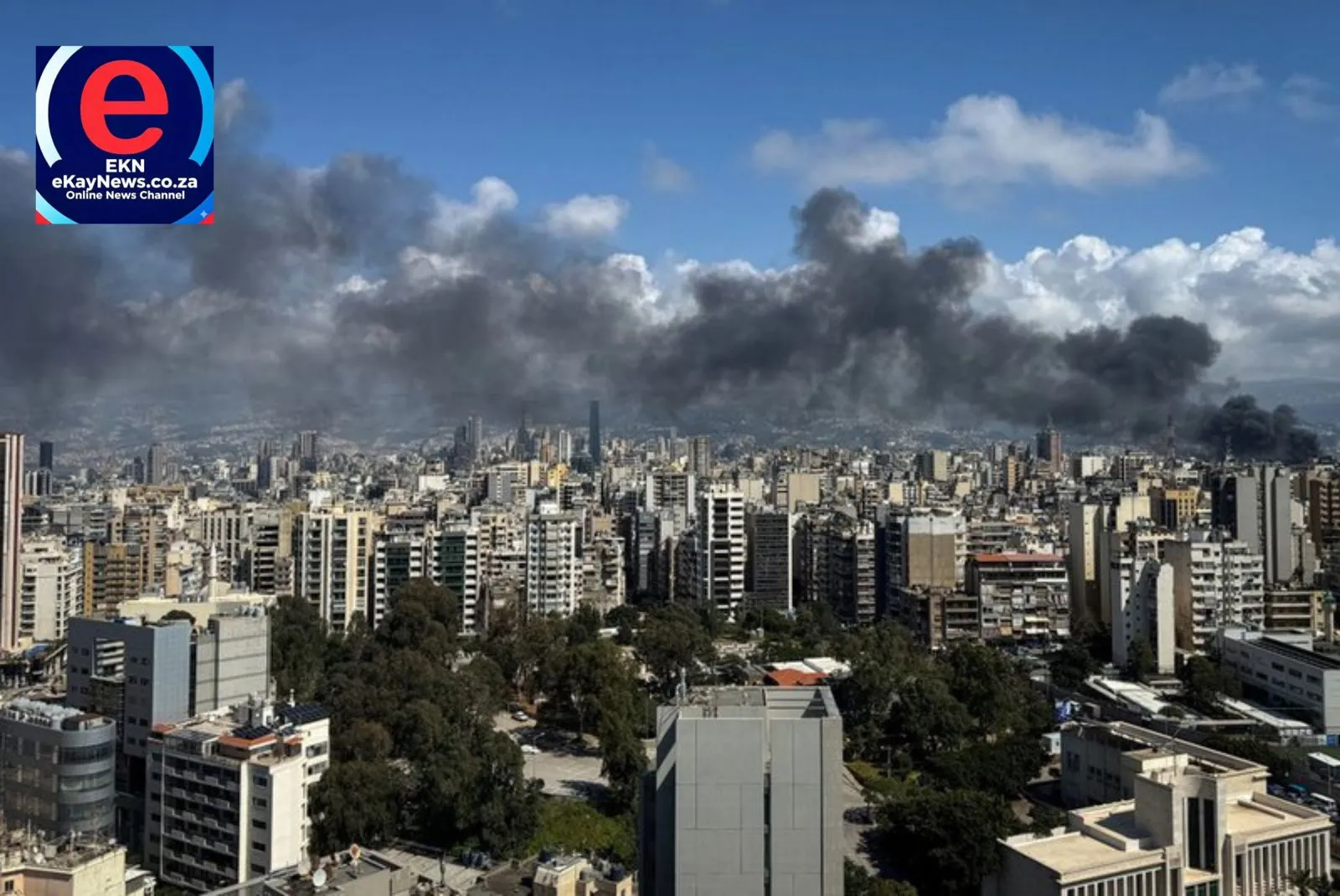
Lebanon mourning day was declared on Thursday after Israeli airstrikes pummeled the country, exposing vulnerabilities in the fragile US-Iran truce less than 48 hours after it came into effect. The strikes, concentrated in central Beirut, triggered widespread panic and chaos, as residents fled homes and public spaces amid smoke and explosions.
Israeli Airstrikes Shatter Ceasefire Hopes
Israeli airstrikes have left at least 182 people dead and nearly 900 wounded, according to the Lebanese health ministry. Washington and Tehran initially hailed the ceasefire as a diplomatic victory, yet the rapid resumption of hostilities revealed serious US Iran ceasefire tensions. Lebanon mourning day reflects the deep trauma inflicted on civilians, who are increasingly caught between regional powers and local militias.
The Lebanese prime minister’s office confirmed Thursday would be a national day of mourning, ordering closures of public administrations and lowering flags to honor the victims of Israeli airstrikes. The scale of destruction in Beirut underscores the fragility of a ceasefire that was supposed to provide a temporary halt to hostilities.
Hezbollah Retaliation Escalates Conflict
Hezbollah retaliation began within hours of the Israeli strikes. The group launched rockets into northern Israel, claiming the attacks were a response to violations of the US-Iran truce. Israeli officials, including Prime Minister Benjamin Netanyahu, argued that their military operations against Hezbollah were not part of the ceasefire, fueling accusations from Tehran that the ceasefire was being undermined.
Iran’s parliament speaker Mohammad Bagher Ghalibaf threatened that continued violations could render negotiations “unreasonable,” citing drone intrusions into Iranian airspace and restrictions on nuclear enrichment as breaches of the truce terms. This rhetoric highlights persistent Middle East conflict challenges, despite diplomatic efforts.
US Iran Ceasefire Tensions Rise
US officials have stressed that Iran’s 10-point plan for negotiations differs from conditions agreed upon by Washington, further straining the already fragile truce. Vice President JD Vance emphasized that Lebanon was not part of the original ceasefire terms, signaling that US Iran ceasefire tensions may complicate upcoming talks in Pakistan.
Pentagon chief Pete Hegseth confirmed that American forces remain prepared to respond should hostilities escalate again. Meanwhile, Iranian Revolutionary Guards issued warnings of retaliatory measures against Israel, signaling that the conflict could intensify if diplomacy fails.
Global Reactions and Strategic Implications
Middle East conflict implications extend far beyond Lebanon. The temporary reopening of the Strait of Hormuz by Iran, a crucial oil passage, underscores the stakes for global trade. Iranian state media reported missile and drone attacks on US-allied Gulf states, including Kuwait, Saudi Arabia, UAE, and Bahrain, further destabilizing the region.
European leaders, Canada, and the United Kingdom have urged all parties to negotiate a “swift and lasting end to the war,” while Pope Leo called the ceasefire “a moment of real hope.” Despite these appeals, US-Iran truce shows cracks as diplomatic efforts struggle to contain the escalation.
Scenes of Horror in Beirut
Lebanon mourning day captures the human cost of Israeli airstrikes. Local residents described chaotic scenes in Beirut, with smoke billowing and people running for safety. Ali Younes, a witness, said, “People started running left and right, and smoke was billowing.” UN rights chief Volker Turk described the scale of the killing as “horrific,” emphasizing the civilian toll of ongoing hostilities.
Iranian state media confirmed that Tehran is monitoring the situation closely, signaling readiness to respond to any perceived breaches. Hezbollah’s continued rocket attacks against Israel highlight the volatile nature of the ceasefire, which has already been strained within days of implementation.
High-Stakes Talks in Pakistan
US-Iran truce talks are scheduled in Pakistan, aiming to stabilize the situation and prevent further escalation. Pakistani Prime Minister Shehbaz Sharif urged all parties to “exercise restraint and respect the ceasefire for two weeks” to allow diplomatic solutions. However, conflicting demands over uranium enrichment, sanctions, and control of the Strait of Hormuz remain major obstacles.
The talks will determine whether US-Iran truce tensions can be reduced or whether renewed military escalation will follow, further worsening the Middle East conflict.
Humanitarian Crisis and Regional Fallout
Lebanon mourning day highlights the severe humanitarian crisis created by the conflict. Hospitals and emergency services are overwhelmed by casualties from Israeli airstrikes and Hezbollah retaliation. Civilians, including children and the elderly, remain vulnerable as both sides continue military operations despite ceasefire agreements.
The rapid breakdown of the truce demonstrates how local conflicts in Lebanon are intertwined with broader geopolitical tensions between the US and Iran. Analysts warn that without immediate action, the Middle East conflict could spiral into wider regional instability, affecting neighboring countries and global energy markets.
YOU MAY LIKE:
Conclusion: Fragile Ceasefire Under Threat
US-Iran truce shows cracks as war flares in Lebanon, with Israeli airstrikes and Hezbollah retaliation highlighting deep divisions in the ceasefire agreement. Lebanon mourning day symbolizes the human cost, while ongoing US Iran ceasefire tensions threaten to escalate the conflict further. High-stakes talks in Pakistan will be crucial in determining whether diplomacy can hold or if the Middle East conflict will intensify.
Civilians in Beirut continue to face uncertainty, as the fragile truce demonstrates the challenges of negotiating peace in a region where longstanding grievances and power struggles intersect. The coming days will reveal whether international efforts can prevent further bloodshed or if renewed military operations will engulf Lebanon and the wider Middle East.
References
- Euronews – Israeli strikes risk unraveling US‑Iran ceasefire
https://www.euronews.com/my-europe/2026/04/09/israeli-strikes-on-lebanon-risk-unravelling-us-iran-ceasefire-eu-warns - Al Jazeera – Why Israel’s attacks could cripple US‑Iran ceasefire
https://www.aljazeera.com/news/2026/4/9/why-israels-attacks-on-lebanon-could-cripple-us-iran-ceasefire
Keep the Headlines Fresh!

Quality news takes time, effort, and a whole lot of coffee. If you value what we do at eKayNews, consider “buying a round” for the team!
-
Join the Inner Circle: Set up a custom subscription.
-
The Instant Jolt: Send a one-time “coffee” donation.
Why trust us? We use PayFast for 100% secure, encrypted transactions. Your data stays yours; the news stays ours.
To our amazing readers: You’re the reason we’re first on the scene. Thanks for being part of the family!
Feel the Pulse of the News with eKayNews!

Join the ever-growing eKayNews community and stay connected to the stories that matter. Follow us on Facebook, X, and WhatsApp for real-time updates, breaking news, and exclusive alerts straight to your feed. Your support keeps us digging deeper and sharing the news you can trust.
Stay Connected:
-
Facebook: [eKayNews on Facebook]
-
X (Twitter): [eKayNews on X]
-
WhatsApp: [Join the eKayNews WhatsApp Channel]
Become part of our inner circle and get instant news alerts as events unfold across South Africa and beyond!
Promote Your Brand with eKayNews
Looking to reach a wide, engaged audience? Explore our advertising packages:
-
Link Booster: 7 links to 7 articles over 7 days – R2,500
-
Permanent Feature: Sponsored blog article hosted permanently – R4,000
-
Prime Visibility: Home page banner ad for 30 days – R5,000
Don’t miss your chance to connect with our audience. Book your package today via email at info@ekaynews.co.za or WhatsApp us on +27710961185.
Be part of a platform where news meets community—stay informed, stay ahead, stay with eKayNews!