Iran Sends New Proposal to US via Pakistani Mediators Amid Ceasefire
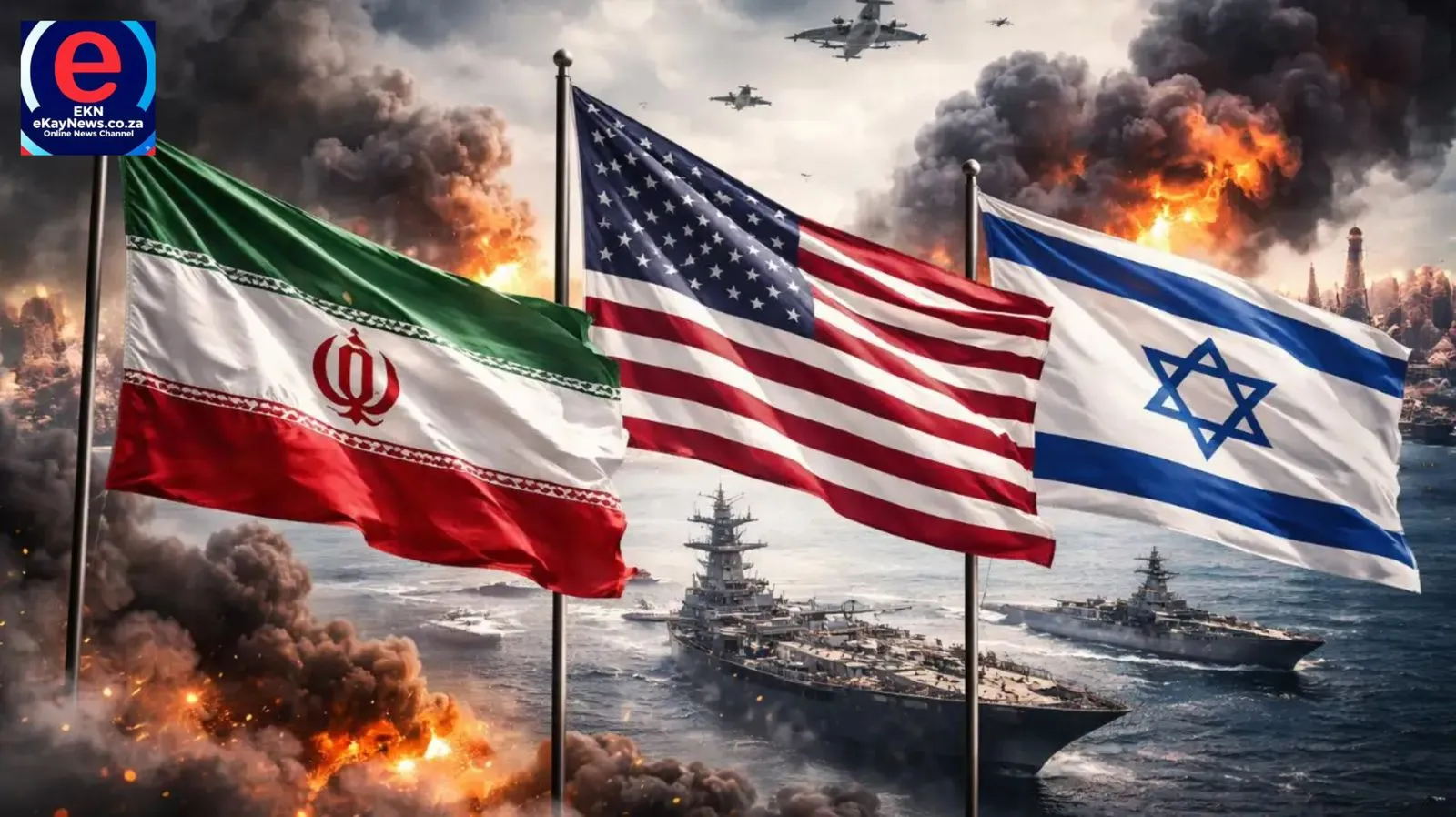
Iran Sends New Proposal to US via Pakistani Mediators, signaling a critical moment in the ongoing geopolitical standoff that has gripped the Middle East and shaken global energy markets. The standoff between the United States and Iran remains incredibly tense, despite a fragile pause in direct military engagements. Both sides continue to exchange sharp public warnings, actively signaling the very real possibility of renewed conflict if diplomatic channels fail to produce a breakthrough. Currently, Iran has forcefully condemned the ongoing US naval blockade, labeling it an “intolerable” and illegal extension of military operations.
Conversely, US President Donald Trump has made it unequivocally clear that the war could resume at any moment if talks fail to secure American objectives. With massive military forces still on high alert, tensions remain centered around the Strait of Hormuz, where the maritime blockade has effectively paralyzed global shipping. Furthermore, the region is dealing with continued Israeli strikes in Lebanon and persistent military activity across multiple borders. This crisis is rapidly evolving into a prolonged geopolitical confrontation with severe global economic implications. In an attempt to de-escalate the situation, diplomatic backchannels are operating around the clock.
The Reality of the Fragile Ceasefire
While the effective ceasefire remains in place, the uncertainty around what it actually means and how long it will last has only burgeoned in recent days. For the international community, the pause in direct American and Iranian airstrikes provided a momentary sigh of relief, yet the underlying causes of the war remain entirely unresolved. The United States maintains a posture of maximum pressure, utilizing its vast naval superiority to enforce an embargo that is suffocating the Iranian economy. Meanwhile, Tehran insists that it will not capitulate under duress.
Iranian military officials recently stated that their current caution and restraint on the battlefield was specifically “intended to give diplomacy a chance.” This indicates that there are factions within the Iranian leadership looking for an off-ramp to prevent further devastation. However, the political rhetoric remains fiery. The Speaker of the Iranian Parliament, MB Ghalibaf, fiercely criticized the US pressure campaign, framing it as an attack on Iranian sovereignty. As both nations posture for leverage, the reality is that a single miscalculation could instantly shatter the current peace.
Nighttime Alarms and Projectiles Over Tehran
Adding to the severe anxiety surrounding the ceasefire, the skies over the Middle East remain active and dangerous. In the most recent development from this volatile West Asian conflict, Iranian defense forces reportedly sounded emergency alarms across the capital. Military sources claimed that the city’s advanced air defense systems actively engaged with unidentified projectiles over Tehran. While the origin of these projectiles remains unconfirmed, the incident highlights the extreme anxiety and hair-trigger readiness of the Iranian military apparatus.
When a nation is effectively under siege and dealing with a naval blockade, internal security becomes paramount. The engagement over Tehran proves that while a formal truce might exist on paper, the operational reality on the ground is that of a nation still actively at war. These nighttime air raid sirens serve as a terrifying reminder to the civilian population that the danger has not passed. This constant state of military alert is exactly why diplomatic avenues are being urgently pursued.
The Vital Role of Pakistani Mediators
Because direct diplomatic relations between Washington and Tehran do not exist, third-party intermediaries are absolutely essential for any negotiations. Throughout this crisis, Pakistani mediators have stepped into this crucial role. Sharing a long, porous border with Iran and maintaining a complex but deeply entrenched strategic relationship with the United States, Pakistan is uniquely positioned to ferry messages between the two adversaries. Iranian state media confirmed on Friday that their government had officially utilized these channels to forward their latest framework for peace.
This diplomatic maneuver comes at a time when US President Donald Trump publicly claimed that Tehran should “just give up” because Washington’s strict embargo of Iranian ports is overwhelmingly successful. However, instead of surrendering, Tehran is attempting to negotiate terms that would allow them to save face while simultaneously lifting the crushing economic sanctions. The fact that Iran Sends New Proposal to US via Pakistani Mediators demonstrates that despite the tough public rhetoric, behind-the-scenes negotiations are viewed as the only viable alternative to a catastrophic regional war.
The US Stance on Iran’s Nuclear Program
To understand the current diplomatic gridlock, one must look at the failures of previous negotiations. This is not the first time the Iranian government has attempted to offer terms for peace. Recently, President Trump explicitly declined an earlier Iranian proposal. The primary reason for this swift rejection was that the proposal failed to meet the core, non-negotiable US demand: that Iran must agree to completely and permanently end its nuclear program.
For the United States, the entire premise of the military pressure campaign is to neutralize what it perceives as an existential threat to its regional allies, particularly Israel, and to ensure that Tehran can never develop nuclear weapons capabilities. Any peace proposal that allows Iran to retain its uranium enrichment facilities, even under international monitoring, is currently viewed as unacceptable by the White House. Therefore, the global intelligence community is heavily analyzing the new document to see if Tehran has finally conceded on the nuclear issue, or if they are simply offering superficial concessions to buy time.
The Strait of Hormuz Blockade Explained
While the diplomatic wrangling continues in secret, the very public and devastating economic consequences of the war are playing out in the Strait of Hormuz. This narrow body of water, located between the Persian Gulf and the Gulf of Oman, is arguably the most important oil transit chokepoint in the world. As the US and Iran restrict vessels from moving through this critical trade route, tanker traffic remains at a complete standstill. The US naval blockade, designed to punish Iran, has inadvertently caught the entire global energy supply chain in its crosshairs.
Dozens of massive crude oil supertankers are currently anchored idly outside the conflict zone, unable to secure insurance or guarantee safe passage through the heavily militarized waters. The Iranian military’s threat to retaliate against commercial shipping has forced global maritime companies to abandon the route entirely. Because the Strait of Hormuz facilitates a massive percentage of the world’s daily oil consumption, this artificial bottleneck has triggered a severe supply shock.
Economic Fallout: Surging Oil and Gas Prices
The financial fallout from the closure of the Strait of Hormuz has been immediate and severe. Global oil prices have shattered previous records, rapidly surpassing $120 per barrel due to the ongoing maritime impasse. This massive spike in the cost of crude oil is bleeding directly into the consumer economy, causing significant inflation and threatening to tip fragile global markets into a severe recession.
In the United States, the pain at the pump is becoming a major political liability for the Trump administration. US fuel costs have officially hit a four-year high. According to the fuel-tracking platform GasBuddy, average gas prices in the U.S. hit $4.41 by Thursday evening. The situation is even more dire in states with higher fuel taxes; prices in California have topped $6 per gallon for the first time in years. As the economic pain deepens for everyday American citizens, the political pressure to find a resolution intensifies.
The 60-Day Deadline Looms in Washington
As the conflict drags on, a major domestic political crisis is brewing in Washington regarding the legal authority to wage this war. The United States Constitution and subsequent federal laws place strict limits on the President’s ability to engage in prolonged military conflicts without the explicit consent of the legislative branch. Specifically, under the War Powers Act of 1973, a president must receive formal approval from Congress by day 60 of a military engagement, or they are legally obligated to begin withdrawing troops.
Currently, the war has pushed well past the Trump administration’s initial four-to-six-week timeline, officially hitting the critical 60-day deadline. However, President Donald Trump has shown absolutely no signs of trying to obtain congressional approval for the war in Iran. With members of Congress preparing to go on recess, the White House has bypassed the legislative branch entirely, choosing instead to maintain the maritime blockade and military posture unilaterally.
The War Powers Act and the Ceasefire Loophole
To defend the administration’s actions, the Pentagon has presented a highly controversial legal argument. Pentagon chief Pete Hegseth addressed the media on Thursday, stating that the federal law regarding the 60-day limit does not currently apply to the situation in Iran. Hegseth argued that because a temporary ceasefire is actively in place, the mandate of the War Powers Act is effectively “paused.” According to this legal interpretation, the clock stops ticking when the bombs stop falling, regardless of the fact that a massive naval blockade remains aggressively in effect.
Legal scholars and political opponents have vehemently challenged Hegseth’s interpretation, arguing that an armed naval embargo constitutes an ongoing act of war, ceasefire or not. They argue that using a temporary pause in direct fire as a loophole to circumvent Congressional oversight sets a dangerous historical precedent. As this legal battle rages in Washington, the administration is heavily relying on diplomatic breakthroughs to avoid a constitutional crisis.
Broader Middle East Fallout and Regional Instability
It is impossible to view the US-Iran standoff in a vacuum. The entire Middle East is a deeply interconnected web of alliances, proxies, and historic rivalries. The tension radiating from the Gulf has triggered a chain reaction of violence and instability across the region. As the primary backer of various militant groups across the Levant, Iran’s conflict with Washington has inherently emboldened its adversaries, primarily Israel, to take aggressive preemptive actions against Iranian proxies.
The situation in Lebanon is particularly dire. Exchanges of military actions continue to ravage the Lebanese landscape, as Israel fails to adhere to the broader regional peace despite the effective ceasefire holding in the Persian Gulf. Israel views the current distraction of the Iranian military as a prime opportunity to degrade the capabilities of Hezbollah, launching relentless airstrikes that are devastating local infrastructure.
Escalating Military Interventions at Sea
Furthermore, the humanitarian situation in neighboring conflict zones is deteriorating rapidly. According to reports from Al Jazeera, activists aboard an international aid flotilla headed for the besieged Gaza Strip claimed that Israeli soldiers had started actively stopping and boarding their ships. This intervention in international waters adds another layer of complexity and anger to an already boiling region.
The interconnected nature of these conflicts means that a localized truce is nearly impossible to maintain if peripheral violence continues to escalate. If Iran feels that its regional allies are being systematically dismantled while it observes a ceasefire with the US, it may feel compelled to retaliate, thereby breaking the truce entirely. This precarious balancing act highlights exactly why comprehensive diplomatic solutions are required immediately.
YOU MAY LIKE:
Conclusion: The Path Forward for Diplomacy
With the war now well past initial deadlines, it remains dangerously unclear how long this conflict—which has already killed thousands across the Middle East—will continue to rage. The pause in fighting has provided a vital window for diplomacy, but that window is rapidly closing as economic pressures mount, domestic political legalities are challenged, and regional proxy wars escalate. The global economy cannot indefinitely sustain oil prices above $120 a barrel, and the American consumer is growing increasingly restless as gas prices soar.
Simultaneously, the Iranian population continues to suffer under the weight of an intolerable naval embargo. The stakes have never been higher. As the world watches with bated breath, the revelation that Iran Sends New Proposal to US via Pakistani Mediators represents the most significant diplomatic movement in weeks. Whether this proposal contains the necessary concessions to satisfy Washington, or if it will be rejected like the last, will ultimately determine whether the region steps back from the brink or plunges headfirst into a devastating global conflict.
References
- Reuters – Coverage of US-Iran tensions, Strait of Hormuz developments, and diplomatic efforts
https://www.reuters.com/world/middle-east/ - BBC News – Analysis and breaking news on Iran, US foreign policy, and Middle East conflicts
https://www.bbc.com/news/world-middle-east
Keep the Headlines Fresh!

Quality news takes time, effort, and a whole lot of coffee. If you value what we do at eKayNews, consider “buying a round” for the team!
-
Join the Inner Circle: Set up a custom subscription.
-
The Instant Jolt: Send a one-time “coffee” donation.
Why trust us? We use PayFast for 100% secure, encrypted transactions. Your data stays yours; the news stays ours.
To our amazing readers: You’re the reason we’re first on the scene. Thanks for being part of the family!
Feel the Pulse of the News with eKayNews!

Join the ever-growing eKayNews community and stay connected to the stories that matter. Follow us on Facebook, X, and WhatsApp for real-time updates, breaking news, and exclusive alerts straight to your feed. Your support keeps us digging deeper and sharing the news you can trust.
Stay Connected:
-
Facebook: [eKayNews on Facebook]
-
X (Twitter): [eKayNews on X]
-
WhatsApp: [Join the eKayNews WhatsApp Channel]
Become part of our inner circle and get instant news alerts as events unfold across South Africa and beyond!
Promote Your Brand with eKayNews
Looking to reach a wide, engaged audience? Explore our advertising packages:
-
Link Booster: 7 links to 7 articles over 7 days – R2,500
-
Permanent Feature: Sponsored blog article hosted permanently – R4,000
-
Prime Visibility: Home page banner ad for 30 days – R5,000
Don’t miss your chance to connect with our audience. Book your package today via email at info@ekaynews.co.za or WhatsApp us on +27710961185.
Be part of a platform where news meets community—stay informed, stay ahead, stay with eKayNews!