Trump Warns US May ‘Restart’ Iran War Amid Hormuz Blockade
Trump Warns US May ‘Restart’ Iran War Amid Hormuz Blockade, sending immediate shockwaves through the international community as a highly fragile ceasefire hangs precariously in the balance. In a bold and uncompromising statement, the United States President has indicated that Washington is fully prepared to abandon the temporary pause in hostilities if strategic objectives are not met. The geopolitical landscape in the Middle East has reached a boiling point, with the world watching closely as rhetoric hardens, military forces are placed on high alert, and the prospect of a devastating, wider conflict becomes an increasingly likely reality.
Tensions Reach a Boiling Point in the Middle East
The global diplomatic community has been scrambling for weeks to maintain the delicate peace that temporarily halted direct military engagements. However, patience in Washington appears to be wearing dangerously thin. White House officials have confirmed that the administration is actively reviewing a comprehensive list of military options.
At the center of this escalating crisis is the rapid formation of a global maritime coalition designed to exert maximum pressure on the Iranian government. This coalition aims to choke off its economic lifelines while projecting overwhelming military dominance in one of the world’s most critical waterways.
Donald Trump Reviews Military Options for the Iran War
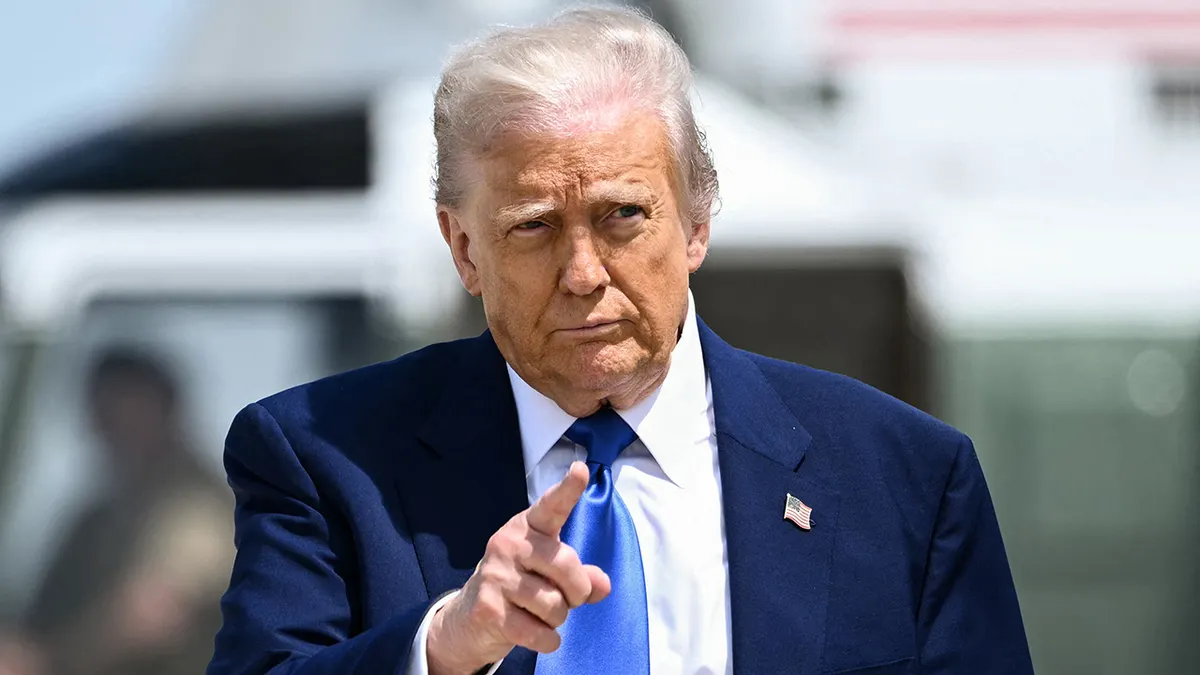
US President Donald Trump has made it unequivocally clear that the administration will not tolerate any threats to American interests or its allies in the region. During recent press briefings, the President emphasized that the temporary cessation of hostilities should not be interpreted as American weakness. By explicitly stating that the Iran war could be restarted at a moment’s notice, the administration is utilizing high-stakes psychological and military pressure to force concessions from the Iranian leadership.
The strategy emanating from the Oval Office involves a heavily coordinated approach combining devastating economic sanctions with an overwhelming forward deployment of military assets. The Pentagon has reportedly presented the Commander-in-Chief with updated contingency plans that include targeted airstrikes on critical Iranian military infrastructure, cyber-warfare operations aimed at disabling command and control centers, and the reinforcement of allied bases scattered across the Gulf.
The Strategic Gamble Behind the Oval Office Rhetoric
The decision to publicly float the idea that the United States might restart the conflict is a calculated gamble. Political analysts suggest that Donald Trump is attempting to leverage the threat of overwhelming force to fracture the political consensus within the Iranian government.
However, critics warn that this brinkmanship could easily miscalculate, turning a war of words into a full-scale regional conflagration that would draw in neighboring states and potentially other global superpowers. As the situation develops, the reality that Trump Warns US May ‘Restart’ Iran War Amid Hormuz Blockade remains the central focal point of all international diplomatic discussions.
Securing the Strait of Hormuz Through a Naval Blockade
At the very heart of this escalating military standoff is the Strait of Hormuz, a narrow, strategically vital maritime chokepoint through which nearly a third of the world’s seaborne traded oil passes daily. Recognizing the immense strategic value of this waterway, Washington has spearheaded the creation of a formidable global maritime coalition. This coalition’s primary objective is to secure international shipping lanes and implement a rigorous naval blockade designed to completely paralyze Iran’s ability to export its oil and import essential military supplies.
The implementation of a naval blockade represents a significant escalation in the rules of engagement. Carrier strike groups, guided-missile destroyers, and advanced surveillance drones have been heavily concentrated in the waters surrounding the Arabian Peninsula. This massive armada is tasked with intercepting, boarding, and turning back vessels suspected of violating international sanctions or carrying illicit cargo destined for Iranian ports.
How the Naval Blockade Impacts Global Energy Markets
The sheer scale of this maritime operation is unprecedented in recent history, effectively turning the Gulf into a highly militarized zone where a single miscommunication or accidental collision could trigger a massive exchange of fire. The economic ramifications of this intense military standoff are already sending tremors through global energy markets. With the threat of the Iran war reigniting, oil prices have experienced sharp volatility.
Traders and international economists are acutely aware that any disruption to the flow of crude oil through the Strait of Hormuz could lead to catastrophic supply shortages, driving up fuel costs worldwide and threatening to derail a fragile global economic recovery. The naval blockade not only squeezes the Iranian economy to its breaking point but also forces allied nations heavily dependent on Middle Eastern oil—particularly in Asia—to navigate an incredibly complex and dangerous geopolitical minefield.
Tehran Vows Retaliation if the Iran War Resumes
In stark contrast to the pressure campaign orchestrated by Washington, Tehran has adopted an uncompromising and defiant posture. Iranian military commanders and senior political clerics have flatly rejected the US demands, warning that any attempt to restart the Iran war will be met with a swift, devastating, and disproportionate response. The Iranian government has made it explicitly clear that it does not fear a military confrontation and claims to hold a significant strategic advantage in its own geographic backyard.
Tehran has repeatedly warned that if its oil exports are reduced to zero by the US-led naval blockade, it will ensure that no other nation in the region will be permitted to export oil through the Gulf. This threat is backed by an extensive arsenal of anti-ship ballistic missiles, swarms of fast-attack stealth boats, and an advanced network of coastal defense batteries hidden along the rugged Iranian coastline.
Tehran Prepares its Forces for a Prolonged Confrontation
The Islamic Revolutionary Guard Corps (IRGC) has significantly increased its patrols, frequently shadowing US and allied vessels in what military analysts describe as highly provocative maneuvers. The leadership in Tehran is well aware that it cannot match the conventional military might of the United States in a direct, symmetric war.
Instead, they have promised a prolonged, asymmetric conflict that would bleed American resources and test the political resolve of the international coalition. As Trump Warns US May ‘Restart’ Iran War Amid Hormuz Blockade, Iranian state media has broadcasted footage of underground missile silos and massive military exercises, projecting an image of total readiness.
The Role of Proxy Militias in a Potential Regional War
Furthermore, Tehran relies heavily on its vast network of heavily armed proxy militias scattered across the Middle East—from Hezbollah in Lebanon to various aligned factions in Iraq, Syria, and Yemen.
If the Iran war is formally restarted, military intelligence suggests that Iran will activate these proxies to launch coordinated, simultaneous attacks against US military installations and allied infrastructure across the region, effectively expanding the battlefield thousands of miles beyond the Iranian border.
YOU MAY LIKE:
Conclusion: A Prelude to a Wider Conflict
The international community finds itself standing on the precipice of a devastating conflict. The fragile ceasefire that currently holds is being tested daily by aggressive posturing, economic strangulation, and uncompromising rhetoric from both sides. While diplomatic backchannels remain open, the window for a peaceful, negotiated settlement appears to be closing rapidly.
The strategic maneuvering in the Gulf, characterized by the mobilization of vast armadas and the preparation of advanced missile systems, suggests that both nations are preparing for the worst-case scenario. It is a highly volatile game of geopolitical chicken, where neither side can afford to show weakness. As the world watches with bated breath, the stark headline remains the defining reality of our current geopolitical era: Trump Warns US May ‘Restart’ Iran War Amid Hormuz Blockade, leaving the fate of the Middle East, and the stability of the global economy, hanging precariously in the balance.
Mainstream Media References
- BBC News
US-Iran tensions: Strait of Hormuz and global oil risks explained
https://www.bbc.com/news/world-middle-east-48119109 - Reuters
U.S. weighs military options as Iran tensions rise
https://www.reuters.com/world/us-weighs-options-iran-tensions-2026
Keep the Headlines Fresh!

Quality news takes time, effort, and a whole lot of coffee. If you value what we do at eKayNews, consider “buying a round” for the team!
-
Join the Inner Circle: Set up a custom subscription.
-
The Instant Jolt: Send a one-time “coffee” donation.
Why trust us? We use PayFast for 100% secure, encrypted transactions. Your data stays yours; the news stays ours.
To our amazing readers: You’re the reason we’re first on the scene. Thanks for being part of the family!
Feel the Pulse of the News with eKayNews!

Join the ever-growing eKayNews community and stay connected to the stories that matter. Follow us on Facebook, X, and WhatsApp for real-time updates, breaking news, and exclusive alerts straight to your feed. Your support keeps us digging deeper and sharing the news you can trust.
Stay Connected:
-
Facebook: [eKayNews on Facebook]
-
X (Twitter): [eKayNews on X]
-
WhatsApp: [Join the eKayNews WhatsApp Channel]
Become part of our inner circle and get instant news alerts as events unfold across South Africa and beyond!
Promote Your Brand with eKayNews
Looking to reach a wide, engaged audience? Explore our advertising packages:
-
Link Booster: 7 links to 7 articles over 7 days – R2,500
-
Permanent Feature: Sponsored blog article hosted permanently – R4,000
-
Prime Visibility: Home page banner ad for 30 days – R5,000
Don’t miss your chance to connect with our audience. Book your package today via email at info@ekaynews.co.za or WhatsApp us on +27710961185.
Be part of a platform where news meets community—stay informed, stay ahead, stay with eKayNews!