Title: Iran presses for an end to war within 30 days Description: Iran presses for an end to war within 30 days. eKayNews explores the new proposal, US sanctions, and the Strait of Hormuz standoff.
Iran presses for an end to war within 30 days as tensions with the United States escalate
Iran presses for an end to war within 30 days, signaling a critical juncture in the ongoing conflict that has gripped the Middle East and sent shockwaves through the global economy. According to recent reports from Iran’s state-linked media, Tehran’s latest diplomatic proposal to the United States is highly specific: it calls for all outstanding issues between the two heavily armed nations to be fully resolved within a strict 30-day window.
Rather than seeking to simply extend the current, highly fragile holding pattern, the Iranian government is aggressively aiming to permanently end the war. This bold diplomatic maneuver underscores the severe economic and political pressures mounting inside the Islamic Republic, as well as a strategic desire to redefine the geopolitical landscape of the Persian Gulf.
Tehran’s Bold 14-Point Diplomatic Proposal
The detailed 14-point proposal submitted by Tehran acts as a direct rebuttal to the nine-point plan previously outlined by the U.S. government. According to the semiofficial Nour News agency—an outlet known to have exceptionally close ties to Iran’s top-tier security and intelligence organizations—the Iranian framework demands a comprehensive cessation of hostilities.
Crucially, the proposal mandates the immediate lifting of all U.S. sanctions on Iran, the complete termination of the crippling U.S. naval blockade, the withdrawal of American military forces from the immediate region, and an end to allied operations, specifically citing Israel’s military operations in Lebanon.
As Iran presses for an end to war within 30 days, the international community is watching with bated breath. The stakes could not be higher. A failure to reach an agreement within this proposed timeframe could lead to a catastrophic regional escalation, pulling in neighboring states and severely disrupting global energy markets.
The Fragile Ceasefire and the Complex Role of International Mediators
The path to this current standoff has been fraught with back-channel negotiations and shadow diplomacy. The current, fragile three-week ceasefire appears to be holding for now, but the atmosphere remains highly volatile. President Donald Trump addressed the media on Saturday, confirming that his administration is actively reviewing this new Iranian proposal to end the war. However, he expressed deep, public doubt that this specific framework would actually lead to a viable, long-term deal, having already outright rejected a previous Iranian proposal earlier in the week.
Third-Party Diplomacy: Pakistan and Oman Step In
Because direct communication between Washington and Tehran remains practically nonexistent, third-party intermediaries have become the lifeline of global diplomacy. Iran officially sent its 14-point reply via a Pakistani intermediary. Pakistan has a long and complicated history of navigating the treacherous waters of Middle Eastern diplomacy and has hosted previous, highly sensitive negotiations between Iran and the United States.
Currently, Pakistan’s prime minister, its foreign minister, and its powerful army chief are working in tandem to keep the diplomatic channels open. According to two high-ranking officials in Pakistan, who spoke strictly on the condition of anonymity due to a lack of media authorization, Islamabad is continuously pushing these high-stakes negotiations forward. Their ultimate goal is to encourage the U.S. and Iran to step out of the shadows and speak directly to one another.
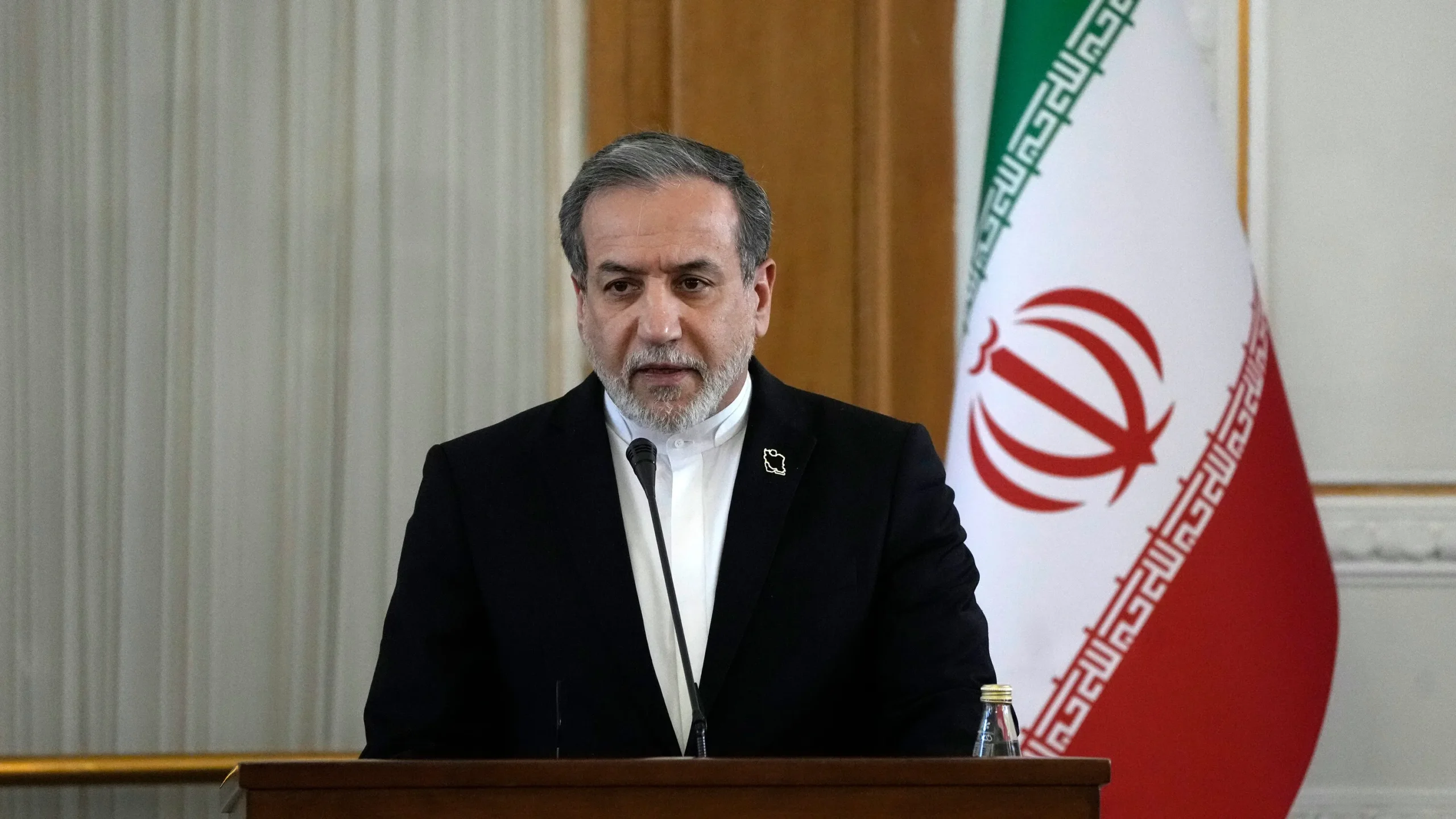
Simultaneously, other regional players are attempting to solidify the peace process. On Sunday, Iranian Foreign Minister Abbas Araghchi held crucial telephone discussions with Oman’s Foreign Minister Badr al Busaidi. Oman has historically served as a neutral, trusted ground for Western and Iranian diplomats, having overseen previous rounds of intense talks before this latest, devastating round of fighting erupted on February 28.
The Devastating Impact of Sanctions on the Iranian Economy
To truly understand why the Iranian leadership is so desperate to force a resolution within a 30-day window, one must look at the catastrophic state of the nation’s domestic economy. The U.S. has maintained a strict naval blockade of Iranian ports since April 13, a tactical move that has effectively deprived Tehran of the vital oil revenue it desperately needs to shore up its ailing financial system.
The weight of these international sanctions is crushing the daily lives of ordinary Iranian citizens. In Tehran, the national currency, the rial, continues to tumble at an alarming rate. On Sunday—the second day of Iran’s official working week—the rial weakened even further against the U.S. dollar. In the bustling heart of Tehran’s Ferdowsi Street, the capital’s main currency exchange hub, the dollar was trading at a staggering 1,840,000 rials. Financial analysts and local economists warn that there is a very strong possibility the currency will slip even further into the abyss in the coming days and weeks if a diplomatic breakthrough is not achieved.
Domestic Unrest and the Tumbling Rial
To put this economic freefall into perspective, the rial was trading at roughly 1.3 million to the dollar back in December. At that time, it was considered a record, historic low—a crisis that triggered widespread, violent protests across multiple Iranian cities over the rapidly worsening economy. Today, the markets in Tehran remain deeply unstable. The prices of basic goods, food staples, and essential medicines are rising on a daily basis, eroding the purchasing power of the working class to practically nothing.
According to numerous reports published in domestic Iranian media, the industrial sector is also collapsing. Several major factories and manufacturing hubs have simply not renewed contracts for their workers following the recent Iranian New Year holidays. Consequently, significant numbers of breadwinners have lost their jobs, adding a dangerous layer of social unrest to the government’s mounting list of crises. The economic reality explains precisely why Iran presses for an end to war within 30 days; the state simply cannot afford to sustain a prolonged war of attrition.
The Strait of Hormuz: A Global Economic Choke Point
While Iran seeks relief from economic strangulation, it is simultaneously utilizing its geography as its most potent weapon. The Strait of Hormuz, located at the narrow mouth of the Persian Gulf, is arguably the most important strategic chokepoint on the planet. Approximately one-fifth of the entire world’s trade in oil and natural gas typically passes through this narrow waterway. Whoever controls the Strait holds massive leverage over the global economy.
The United States president recently offered a new, comprehensive plan to reopen the Strait of Hormuz to ensure the free flow of global commerce. However, Tehran is fiercely resisting any return to the pre-war status quo. Iran’s deputy parliament speaker, Ali Nikzad, delivered a defiant message on Sunday. Speaking during a high-profile visit to port facilities on Iran’s strategic Larak Island—which is located perilously close to the narrowest part of the strait—Nikzad stated that Iran “will not back down from our position on the Strait of Hormuz, and it will not return to its prewar conditions.”
Although Nikzad possesses no direct, constitutional decision-making power within the Iranian parliament, his rhetoric heavily reflects the hardline stance of the Islamic Revolutionary Guard Corps (IRGC) and the Supreme Leader. “The Strait of Hormuz belongs to the Islamic Republic of Iran,” Nikzad boldly proclaimed, adding that the Trump administration’s blockade plan was absolutely certain to fail.
Redefining Maritime Law and International Shipping Rules
The situation in the Strait is unprecedented in modern maritime history. Iran effectively closed the vital waterway by actively attacking, harassing, and threatening international commercial ships immediately after the U.S. and Israel launched their military operations. In a controversial move, Tehran later offered certain ships safe passage via alternative routes located closer to the Iranian shore—but only after charging hefty transit fees.
Nikzad reiterated this new, highly controversial Iranian position: any commercial vessels that are not explicitly associated with the United States or Israel will theoretically be able to pass through the Strait, but only after paying a toll directly to Tehran.
This demand has set up a massive legal and financial collision course with Washington. The United States government has issued severe, uncompromising warnings to global shipping companies, making it clear that any corporate entity that pays Iran in any form—whether through fiat currency, gold, or digital assets—to secure safe passage will face immediate, devastating secondary sanctions. This leaves international shipping companies trapped in an impossible dilemma.
The Ideological Stalemate Between Iran and the United States
As the clock ticks on Tehran’s proposed deadline, the psychological and ideological barriers to peace remain towering. The rhetoric emerging from both capitals is one of total victory, leaving very little political room for the compromises necessary to forge a lasting treaty.
This stubborn reality was recently highlighted by Yousef Pezeshkian, the son and close political adviser of Iranian President Masoud Pezeshkian. In a candid post on Telegram, the younger Pezeshkian noted that both the United States and the Islamic Republic fundamentally see themselves as the absolute, undisputed winner of this war. Because both administrations have sold a narrative of victory to their respective domestic audiences, both are currently unwilling to publicly back down or offer the concessions required to finalize any peace plans.
The geopolitical chessboard is currently deadlocked. Washington believes its naval blockade and crushing financial penalties will eventually force a complete, unconditional Iranian capitulation. Tehran, conversely, believes its stranglehold over the Strait of Hormuz and the looming threat of a global energy crisis will eventually force Washington to fold and withdraw its forces from the region.
YOU MAY LIKE:
Conclusion: A Ticking Clock for Middle East Peace
Ultimately, the fact that Iran presses for an end to war within 30 days introduces a ticking time bomb into an already explosive diplomatic scenario. If this 30-day window closes without a signed agreement, the fragile ceasefire will likely shatter, plunging the Middle East back into a state of open, catastrophic warfare. For now, the diplomats in Pakistan and Oman continue their tireless, quiet work behind the scenes, hoping to bridge the massive divide before the rhetoric of victory transforms into the reality of further destruction. The entire world, heavily reliant on the energy resources that flow through the Persian Gulf, can do nothing but watch and wait as these two historic adversaries decide the fate of the region.
References
- Reuters – Coverage on Iran-US tensions, sanctions, and Gulf conflict developments
https://www.reuters.com/world/middle-east/ - BBC News – Analysis of Iran nuclear talks, sanctions impact, and regional tensions
https://www.bbc.com/news/world-middle-east
Keep the Headlines Fresh!

Quality news takes time, effort, and a whole lot of coffee. If you value what we do at eKayNews, consider “buying a round” for the team!
-
Join the Inner Circle: Set up a custom subscription.
-
The Instant Jolt: Send a one-time “coffee” donation.
Why trust us? We use PayFast for 100% secure, encrypted transactions. Your data stays yours; the news stays ours.
To our amazing readers: You’re the reason we’re first on the scene. Thanks for being part of the family!
Feel the Pulse of the News with eKayNews!

Join the ever-growing eKayNews community and stay connected to the stories that matter. Follow us on Facebook, X, and WhatsApp for real-time updates, breaking news, and exclusive alerts straight to your feed. Your support keeps us digging deeper and sharing the news you can trust.
Stay Connected:
-
Facebook: [eKayNews on Facebook]
-
X (Twitter): [eKayNews on X]
-
WhatsApp: [Join the eKayNews WhatsApp Channel]
Become part of our inner circle and get instant news alerts as events unfold across South Africa and beyond!
Promote Your Brand with eKayNews
Looking to reach a wide, engaged audience? Explore our advertising packages:
-
Link Booster: 7 links to 7 articles over 7 days – R2,500
-
Permanent Feature: Sponsored blog article hosted permanently – R4,000
-
Prime Visibility: Home page banner ad for 30 days – R5,000
Don’t miss your chance to connect with our audience. Book your package today via email at info@ekaynews.co.za or WhatsApp us on +27710961185.
Be part of a platform where news meets community—stay informed, stay ahead, stay with eKayNews!