Why is a ‘very close’ Iran-US deal taking so long?
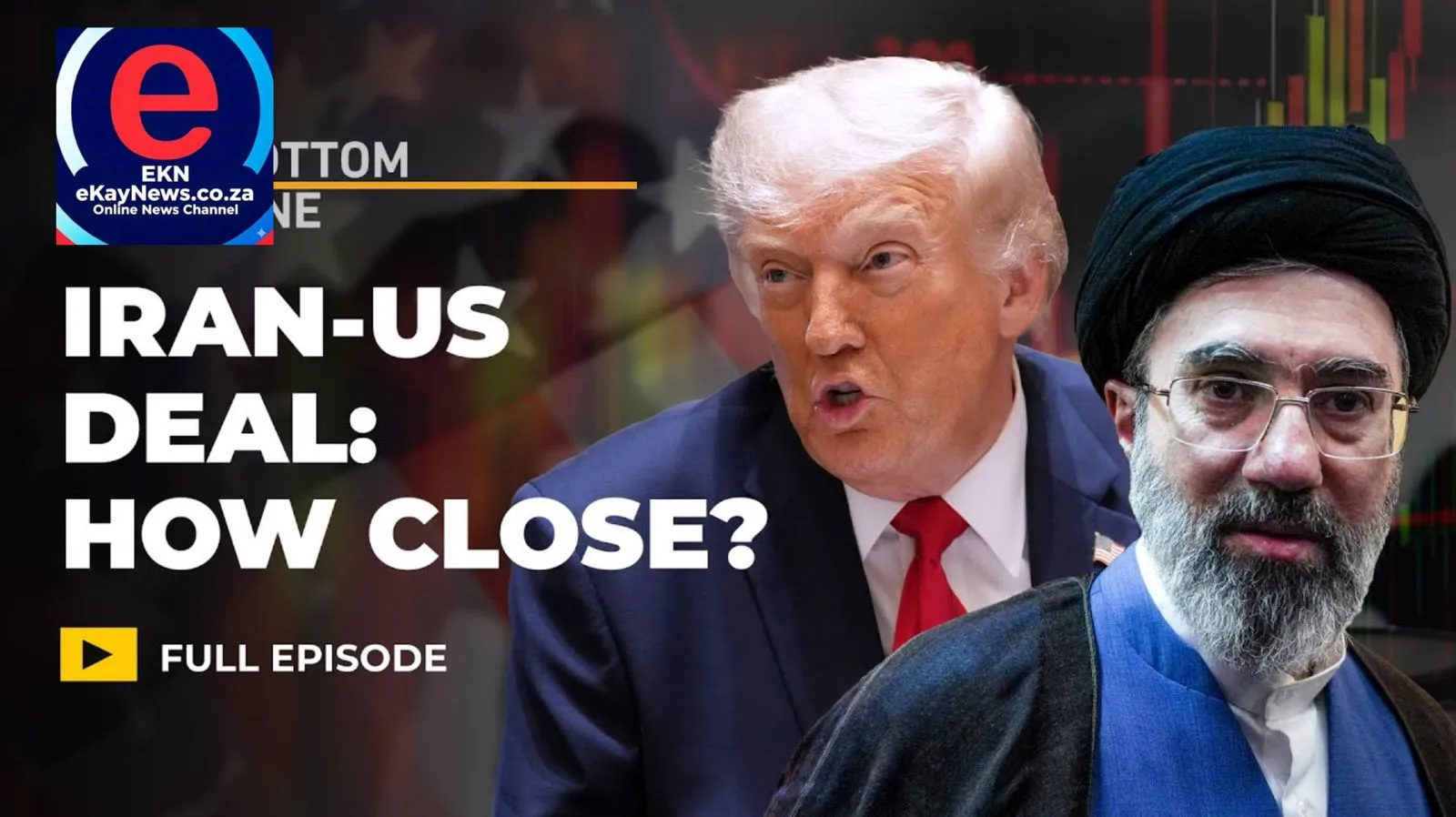
Why is a ‘very close’ Iran-US deal taking so long? This question has become one of the most discussed topics in global diplomacy as negotiations between Washington and Tehran continue to drag on despite repeated claims that an agreement is imminent. U.S. President Donald Trump has repeatedly stated that both sides are close to finalizing a deal aimed at ending the latest phase of the Middle East conflict, yet significant political, military, and diplomatic obstacles remain.
For months, officials from both countries have hinted that progress is being made. However, every optimistic statement has been followed by delays, disagreements, and renewed uncertainty. Analysts argue that while both sides have strong incentives to reach an agreement, the complexity of the issues involved makes a quick resolution extremely difficult.
Iran-US Deal Remains Elusive Despite Optimism
The ongoing negotiations surrounding the Iran-US Deal have generated intense international interest. The United States and Iran have spent decades in conflict, and any comprehensive agreement would represent a major shift in Middle Eastern geopolitics.
President Donald Trump has frequently declared that a breakthrough is near. On several occasions, he has described the negotiations as being in their final stages, suggesting that a deal could be announced within days.
However, Iranian officials have repeatedly pushed back against such claims. Tehran has insisted that negotiations remain incomplete and that several crucial issues still need to be resolved before any formal agreement can be signed.
This gap between public expectations and diplomatic reality explains why negotiations continue to move slowly despite optimistic rhetoric.
Donald Trump’s Position on the Negotiations
Balancing Diplomacy and Domestic Politics
One of the key factors slowing progress is the political pressure facing Donald Trump.
The U.S. president must balance diplomatic objectives with domestic political concerns. Any agreement perceived as being too favorable to Iran could face criticism from political opponents and even members of his own support base.
Trump previously withdrew from the 2015 nuclear agreement during his first administration, arguing that it failed to adequately limit Iran’s nuclear ambitions. As a result, any new deal will inevitably be compared to that earlier agreement.
Analysts suggest that Trump wants to secure a deal that can be presented as stronger and more comprehensive than previous arrangements. Achieving that objective requires securing concessions from Iran while maintaining support at home.
Midterm Election Considerations
The approaching U.S. midterm elections also play a significant role.
Many American voters have grown weary of prolonged military engagements in the Middle East. The conflict involving Iran and Israel has become increasingly controversial, creating pressure on the administration to find a diplomatic solution.
At the same time, appearing too accommodating toward Tehran could create political risks. This balancing act complicates the negotiation process and influences every major decision made by the White House.
Iran’s Demands and Strategic Objectives
While much attention focuses on Washington’s position, Iran also has important goals it hopes to achieve through the negotiations.
Frozen Assets and Economic Relief
One major sticking point involves Iran’s frozen financial assets.
Iranian officials have long demanded access to billions of dollars held abroad. These funds remain a critical issue because Tehran views their release as essential to economic recovery following years of sanctions and conflict.
Negotiators must determine how financial relief can be provided while addressing concerns from the United States and its allies.
Security Guarantees
Iran is also seeking long-term security guarantees.
After experiencing military strikes and leadership losses during the recent conflict, Tehran wants assurances that future attacks will not occur. Such guarantees would provide stability for the country’s leadership and strengthen confidence in any agreement reached.
However, providing security commitments remains politically sensitive for Washington and its regional partners.
Iran Nuclear Program Remains Central Issue
Disagreements Over Nuclear Activities
The future of the Iran Nuclear Program continues to be one of the biggest obstacles to a final agreement.
Western governments have long expressed concern that Iran’s nuclear activities could eventually lead to the development of nuclear weapons. Iran has consistently denied such intentions, insisting that its program serves peaceful purposes.
Negotiators are attempting to establish a framework that limits Iran’s nuclear activities while allowing the country to maintain certain civilian capabilities.
Recent reports suggest that discussions have included proposals for dismantling parts of Iran’s nuclear infrastructure. However, Iranian authorities have not publicly confirmed all aspects of these reports.
Verification and Compliance Challenges
Even if an agreement is reached, questions remain about implementation.
International inspectors would likely play a significant role in verifying compliance. Determining how inspections are conducted, what facilities are included, and how disputes are resolved represents another layer of complexity.
These technical issues often receive less public attention but are crucial to the success of any future agreement.
Middle East Conflict Continues to Shape Talks
Regional Tensions Remain High
The broader Middle East Conflict continues to influence negotiations.
The recent war involving Iran, Israel, and the United States created deep mistrust among all parties involved. Although a ceasefire has reduced active fighting, tensions remain high throughout the region.
Any agreement between Washington and Tehran must account for these regional realities.
Israel remains particularly concerned about any arrangement that it believes could strengthen Iran’s military capabilities or regional influence.
Lebanon and Hezbollah Concerns
Iran has also emphasized the importance of developments in Lebanon.
Tehran maintains close ties with Hezbollah, a powerful political and military organization in Lebanon. Ongoing Israeli operations against Hezbollah have complicated broader diplomatic efforts.
Iranian officials have repeatedly indicated that regional security concerns cannot be separated from discussions about a larger settlement with the United States.
As a result, negotiations often extend beyond nuclear issues and encompass a wide range of geopolitical disputes.
Leadership Changes Inside Iran Add Uncertainty
Political uncertainty within Iran has further complicated negotiations.
Following major leadership changes, questions remain regarding the distribution of power within the Iranian government.
Observers continue to debate the influence and authority of new leadership figures. This uncertainty can slow negotiations because foreign diplomats may struggle to determine who has ultimate decision-making authority.
Stable leadership structures often facilitate diplomatic breakthroughs. In contrast, periods of political transition tend to create delays and caution among negotiators.
The Strategic Importance of the Strait of Hormuz
Global Energy Markets at Risk
The Strait of Hormuz remains one of the most important issues linked to the negotiations.
This narrow waterway serves as a critical route for global oil and gas shipments. During the conflict, Iran’s blockade of the strait contributed to rising energy prices and heightened concerns about global economic stability.
Any long-term agreement will likely address freedom of navigation through the region.
A Powerful Source of Leverage
For Iran, the Strait of Hormuz provides significant strategic leverage.
Control over such an important shipping route gives Tehran influence that extends far beyond the Middle East. Analysts believe Iran will be reluctant to surrender that leverage without receiving substantial concessions in return.
This dynamic ensures that maritime security will remain a key component of future discussions.
Why Negotiations Continue to Drag On
Several interconnected factors explain why the talks have taken so long:
- Deep historical mistrust between Iran and the United States.
- Disagreements over the Iran Nuclear Program.
- Domestic political pressures facing Donald Trump.
- Regional security concerns involving Israel and Hezbollah.
- Disputes regarding sanctions relief and frozen assets.
- Questions surrounding implementation and verification mechanisms.
- Leadership uncertainties within Iran.
- Strategic considerations involving the Strait of Hormuz.
Each of these issues is complex on its own. Combined, they create a challenging diplomatic environment that requires patience and compromise.
What Happens Next?
Despite the delays, both sides still appear interested in reaching an agreement. The United States seeks to reduce regional instability, avoid prolonged military involvement, and address concerns about nuclear proliferation.
Iran hopes to secure economic relief, international recognition, and long-term security guarantees. These shared interests provide motivation for continued negotiations, even when progress appears slow.
Diplomatic observers believe a deal remains possible, but expectations of an immediate breakthrough may be unrealistic given the number of unresolved issues.
YOU MAY LIKE:
Conclusion
The question, “Why is a ‘very close’ Iran-US deal taking so long?”, reflects the frustration felt by observers who have watched months of negotiations produce repeated promises but limited concrete results.
The path to an agreement is complicated by disagreements over the Iran Nuclear Program, domestic political pressures on Donald Trump, regional conflicts involving Israel and Hezbollah, economic sanctions, and the strategic importance of the Strait of Hormuz.
While both countries have strong reasons to seek a settlement, the challenges involved ensure that negotiations remain delicate and time-consuming. Whether an agreement is reached in the coming days or months, its success will depend not only on signing a document but also on implementing solutions that address decades of mistrust and conflict between two longstanding adversaries.
References from mainstream media
- News24 – Why is a ‘very close’ Iran-US deal taking so long?
- The JapanTimes – Why is a ‘very close’ Iran-U.S. deal taking so long?
Keep the News Flowing – Buy the Team a Coffee! ☕

Love the updates? Help us stay on the beat! Whether it’s a quick one-time donation or a monthly subscription, your support keeps the eKayNews lights on and the stories flowing.
-
Secure & Simple: We use PayFast for total transaction peace of mind.
-
Make an Impact: Every “coffee” you send directly supports our newsroom.
Your Brand, Our Audience: Let’s Make Headlines Together! 🚀

Looking for real engagement? At eKayNews, we don’t just share news—we build connections. Whether you’re a local startup or a growing business, our advertising packages are designed to put your brand in front of a loyal, highly engaged audience.
Choose Your Spotlight:
-
Link Booster (R2,500): Dominate the feed with 7 links across 7 days.
-
Permanent Feature (R4,000): Your story, hosted on our site for a lifetime.
-
Prime Visibility (R5,000): Claim the top spot with a 30-day homepage banner.
Ready to grow? 📩 Email us: info@ekaynews.co.za 💬 WhatsApp us: +27 71 096 1185
Get Connected:
-
Facebook & X (Twitter) : Follow us for real-time updates and community debates.
-
WhatsApp Channel: Get exclusive alerts sent directly to your phone.
Stay informed, ahead, connected with the eKayNews family!