India Orders X to Block Over 8,000 Accounts: A Battle for Digital Space
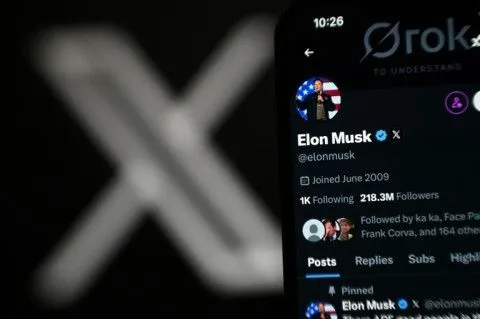
India Orders X to Block Over 8000 Accounts, The recent directive from the Indian government compelling the social media giant X, previously known as Twitter, to block access to over 8,000 accounts has sent ripples across the digital landscape. This significant action, which X itself has characterized as state-imposed “censorship,” throws a sharp spotlight on the delicate and often fraught relationship between national governments and powerful social media platforms. The core of the issue lies in the tension between a nation’s perceived need for security and sovereignty within its digital borders and the fundamental right of individuals to express themselves freely in the online sphere.
Unpacking the Order: India, X, and the Geopolitical Undercurrents
While the specific details of all 8,000 accounts remain largely undisclosed, the context provided by X suggests a strong link to ongoing geopolitical tensions, particularly with neighboring Pakistan. The targeted accounts reportedly include those belonging to Pakistani political figures, media outlets, and even celebrities. This move underscores how social media platforms have become intertwined with international relations, often serving as arenas for information dissemination, political discourse, and, at times, the amplification of conflict. The Indian government’s rationale likely stems from a desire to control the flow of information it deems potentially harmful, inflammatory, or detrimental to national interests within its digital territory.
X’s Position: Navigating the Tightrope of Compliance and Principle
The response from X offers a crucial perspective on the complexities faced by global social media platforms operating within diverse legal and political frameworks. The company’s statement of “reluctant compliance” speaks volumes about the internal struggle between adhering to local laws and upholding the principles of free expression. X’s assertion that in numerous instances, the Indian government failed to provide specific legal justifications or evidence of violations raises serious questions about the transparency and accountability of such directives. While ultimately yielding to the demand to maintain operational access within the significant Indian market, X’s public stance signals a discomfort with the implications for free speech. This balancing act is a recurring challenge for multinational tech companies navigating the varying demands of governments worldwide.
The Shadow of Censorship: Implications for Democratic Discourse
The blocking of a large number of accounts, particularly those associated with political and media voices, inevitably raises the specter of censorship. Critics argue that such broad actions can stifle legitimate dissent, limit access to diverse perspectives, and ultimately undermine democratic discourse. When governments wield the power to unilaterally silence voices on platforms that have become integral to public conversation, it can create a chilling effect, potentially leading to self-censorship and a narrowing of the acceptable range of online expression. The lack of clear justification and due process in some of these blocking orders further exacerbates these concerns.
A Global Conundrum: Digital Sovereignty vs. Universal Rights
India Orders X to Block Over 8000 Accounts, The situation in India is not an isolated incident but rather a manifestation of a broader global debate surrounding digital sovereignty and universal human rights in the digital age. Governments increasingly seek to assert control over their digital spaces, citing reasons ranging from national security and public order to the prevention of misinformation. However, these efforts often clash with the fundamental principles of freedom of expression and the free flow of information across borders. The challenge lies in finding a balance that allows nations to address legitimate concerns without unduly infringing upon the rights of individuals to communicate and access information freely. The case of India and X serves as a critical example in this ongoing global negotiation of digital space and its governance.
India Orders X to Block Over 8000 Accounts, You can delve deeper into this developing story by visiting eNCA. This incident underscores the evolving dynamics between governments, social media platforms, and the fundamental rights of users in the digital age. The long-term implications for online freedom and the future of digital communication remain a subject of intense scrutiny and debate.
Kindly consider to support eKayNews, further consider buying us a virtual coffee or subscribe to any amount of your choice also in the links below or check at the footer of website

Payment handled by Pay fast the most and eKayNews doesn’t access your payments details at all:
Subscribe with any amount and cancel anytime:
Subscribe any amount of your choice:
Consider Buy us once off virtue coffee of any amount
Your incredible generosity in financially contributing to eKayNews fills our hearts with profound gratitude. Thank you, truly.
Your support is the very lifeline that allows us to remain online, to continue our work, and most importantly, to keep serving you with the news and information you rely on.
No matter the size, makes a tangible difference and empowers us to keep going.
From the entire team at eKayNews, thank you for being such a vital part of our community. We are committed to continuing to serve you even better, thanks to your kindness
We’re grateful for your Love and support of eKayNews

Thank you supporting eKayNews! Follow us for the latest news and updates. We appreciate your readership and engagement.
eKayNews on Facebook
eKayNews on X
Follow the eKayNews What Sapp: News Channel