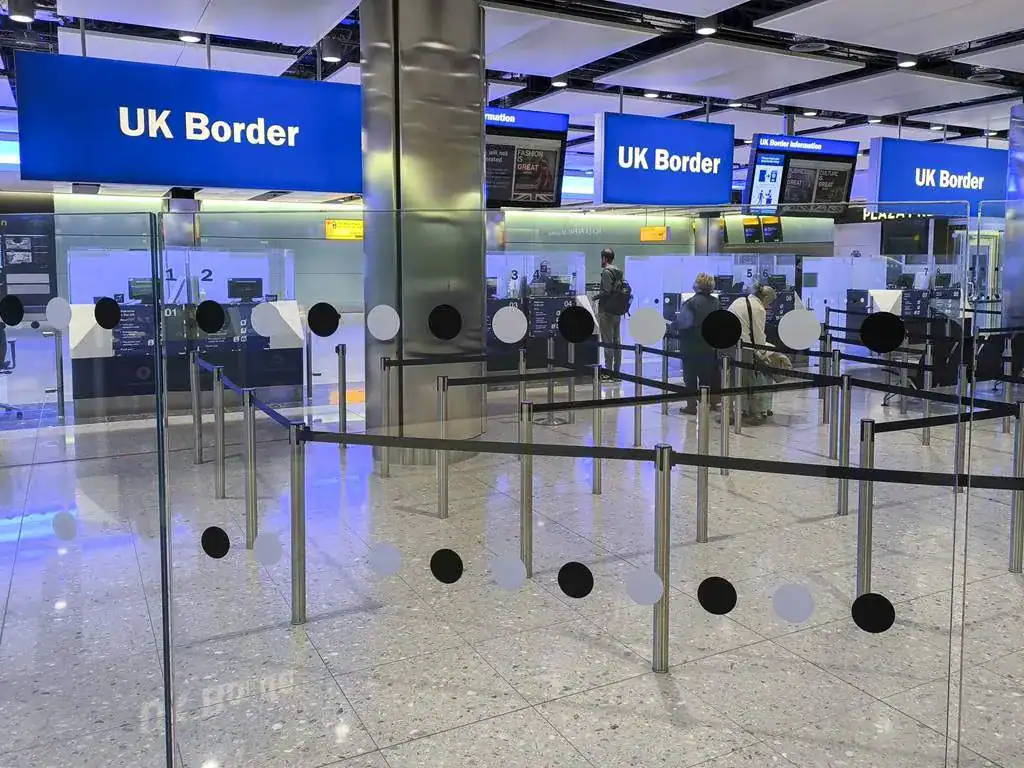
Cyber-attack Europe airport check-in systems disrupts travel
A cyber-attack Europe airport check-in systems incident has caused major disruptions at some of the continent’s busiest travel hubs. Passengers at multiple airports across Europe faced long queues, flight delays, and in some cases, cancellations, as check-in counters and self-service kiosks went offline.
The event highlights the growing vulnerabilities in aviation’s digital infrastructure. With airports increasingly dependent on technology, a targeted cyber-attack can paralyze operations and ripple across global travel networks. Experts warn that without robust airport security systems, similar attacks could become more frequent, threatening the reliability of air travel.
Airport security under strain from cyber-attacks
The attack reportedly targeted the digital backbone of check-in systems, preventing passengers from obtaining boarding passes and baggage tags. For airports designed to move thousands of travelers per hour, even short outages lead to chaos.
Cyber experts say that aviation is a prime target for hackers due to its complexity and reliance on interconnected systems. From flight planning software to baggage handling and check-in systems, each digital entry point presents an opportunity for exploitation. The incident has reignited discussions about investing more heavily in airport security to defend against cyber threats.
Impact on passengers and Europe travel disruption
The cyber-attack Europe airport check-in systems event created a domino effect. Travelers reported waiting in lines for hours as staff scrambled to process check-ins manually. Some flights were delayed by several hours, while others were canceled altogether, leaving passengers stranded.
Families heading for holidays, business travelers, and international tourists were all caught up in the turmoil. Social media platforms quickly filled with images of congested terminals and complaints from frustrated passengers, underlining the scale of the Europe travel disruption.
Airlines operating out of the affected airports confirmed that while planes remained safe to fly, the passenger processing delays caused significant knock-on effects. The situation illustrates how cyber-attacks don’t always directly threaten flight safety but can create widespread operational chaos.
Cyber-attack highlights vulnerabilities in check-in systems
The aviation industry has been steadily digitizing processes to improve efficiency, with check-in systems being one of the most important touchpoints. Online check-ins, self-service kiosks, and mobile apps are designed to make travel seamless. But as this cyber-attack shows, reliance on technology makes these systems attractive targets.
Hackers are believed to have used ransomware, which locks users out of essential systems until a ransom is paid. While details remain under investigation, cybersecurity analysts say that even temporary breaches can cost airlines and airports millions of euros in lost revenue and reputational damage.
Lessons for airport security
This cyber-attack Europe airport check-in systems incident has sparked urgent reviews of digital defenses across the aviation sector. Airports and airlines are being urged to implement stronger firewalls, conduct regular cybersecurity audits, and train staff to respond quickly to digital intrusions.
Governments are also expected to increase oversight of airport security, recognizing that aviation is a critical part of national infrastructure. Collaborative initiatives between the private sector and public agencies could be key to preventing future cyber-attacks of this scale.
Broader effects on Europe travel disruption
Beyond the immediate delays, the Europe travel disruption could have lasting consequences. Tourism boards warn that repeated digital crises could undermine confidence in air travel, particularly among international visitors. Airlines already struggling with tight margins may face additional costs as they invest in new cybersecurity measures.
Business leaders stress that airports are gateways to trade and investment. Prolonged disruptions caused by cyber-attacks could discourage companies from relying on certain travel routes, indirectly affecting economic activity across Europe.
Passenger experiences amid the chaos
Many passengers caught in the cyber-attack Europe airport check-in systems incident shared first-hand accounts of missed flights, rescheduled plans, and unexpected expenses. Travelers described scenes of confusion, with staff handing out handwritten boarding passes and baggage receipts.
Parents traveling with children faced added stress, while business professionals missed critical meetings. For some, insurance covered costs, but others had to pay out-of-pocket for hotels and new tickets. The disruption demonstrated how quickly digital vulnerabilities can translate into personal hardships.
Industry experts call for urgent change
Cybersecurity experts argue that the aviation industry must treat digital threats with the same seriousness as physical terrorism. While traditional airport security has long focused on preventing physical attacks, today’s risks extend to computer networks.
The incident may accelerate investment in secure cloud-based systems, backup servers, and artificial intelligence monitoring tools designed to detect intrusions before they escalate. Experts also stress the importance of cross-border cooperation since Europe travel disruption often spreads beyond the immediate location of an attack.
Governments respond to cyber-attack
European governments are already responding to the cyber-attack Europe airport check-in systems incident. National aviation regulators are reviewing emergency response procedures, while cybersecurity agencies are working with affected airports to trace the origins of the attack.
Officials say the event serves as a wake-up call for stronger EU-wide cybersecurity standards in aviation. Given the interconnected nature of air travel, a weakness in one country’s airport can quickly cascade across the continent, amplifying the Europe travel disruption.
Future of airport resilience
The cyber-attack has highlighted the urgency of building resilience into aviation’s digital backbone. Experts predict that airports will soon introduce more rigorous cybersecurity drills, much like fire drills, to ensure readiness.
Some airlines are exploring partnerships with tech companies to deploy advanced monitoring software capable of spotting unusual activity in check-in systems. The goal is not only to prevent disruptions but to reassure passengers that airport security extends to both physical and digital protection.
Conclusion: safeguarding the skies
The cyber-attack Europe airport check-in systems incident is a stark reminder that in today’s digital age, airport vulnerabilities extend far beyond runways and terminals. While planes remain safe, the disruption caused by digital breaches can cripple travel and undermine confidence in the aviation industry.
For passengers, it means preparing for unexpected delays. For airports and airlines, it means doubling down on cybersecurity investments. And for governments, it underscores the importance of international cooperation in safeguarding global travel.
Ultimately, preventing future Europe travel disruption depends on learning from this event and ensuring that cyber-attacks no longer have the power to ground passengers at some of the world’s busiest airports.
You May Like: