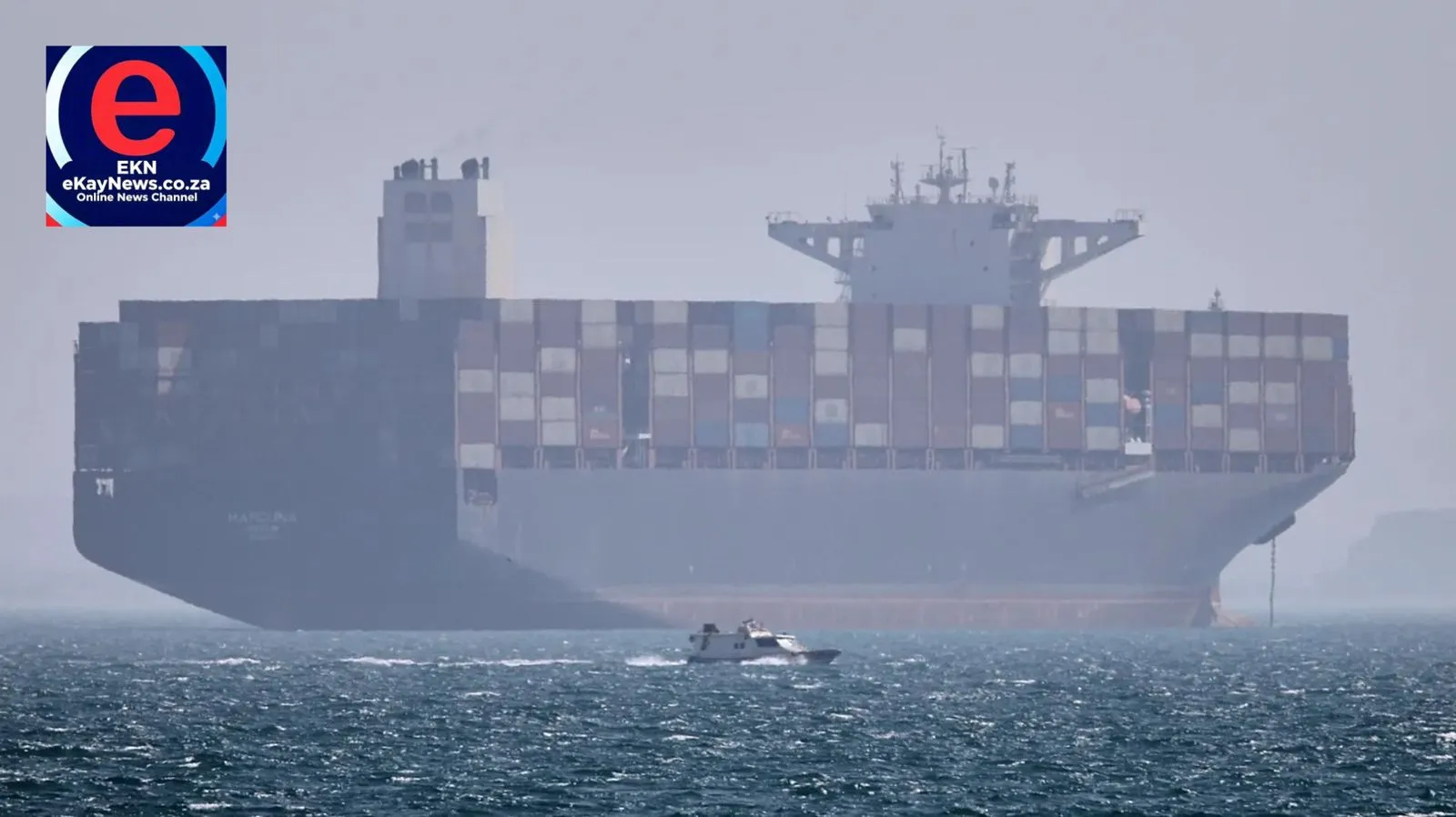
Ship reported seized and another attacked near Strait of Hormuz
Ship reported seized and another attacked near Strait of Hormuz as of May 2026, marking a significant escalation in the maritime shadow war that has gripped the Middle East. The global energy market was sent into a tailspin this Thursday as reports filtered through from the United Kingdom Maritime Trade Operations (UKMTO) regarding unauthorized boarding and kinetic strikes against commercial vessels. Iran has continued its aggressive campaign of seizing oil tankers in the Strait of Hormuz and the Gulf of Oman, frequently targeting vessels they claim are associated with the United States or are actively disrupting Iranian crude exports.
The current atmosphere in these waterways is one of extreme volatility. For decades, the Strait of Hormuz has been recognized as the world’s most important oil transit chokepoint, with roughly a fifth of the world’s liquid energy passing through its narrow confines daily. However, as ship reported seized and another attacked near Strait of Hormuz headlines become a weekly occurrence, the stability of the global economy is being tested like never before.
Iran Targets Maritime Trade in the Strait of Hormuz
The primary actor in these recent disruptions remains the Iranian Navy and the Islamic Revolutionary Guard Corps (IRGC). According to the IRNA news agency, the most recent high-profile target was the Ocean Koi, a Barbados-flagged tanker. Iranian naval commandos reportedly boarded the vessel in a rapid-response operation, alleging that the ship was attempting to interfere with sovereign Iranian oil exports.
The Ocean Koi incident highlights the sophisticated tactics currently being employed by Iran. The vessel was intercepted while navigating the Gulf of Oman, a region that has become a flashpoint for naval confrontations. Once the commandos secured the deck, the tanker was diverted to Iran’s southern coast for “judicial processing.” This action occurred amid the backdrop of high-stakes military tensions following the broader U.S.-Israeli conflict with Iran, a war that has spilled over from land-based strikes into the vital shipping lanes of the Persian Gulf.
Furthermore, another ship reported seized and another attacked near Strait of Hormuz involved the vessel known as the Majestic X. While maritime reports initially varied on the specifics of the seizure, it further underscored the fact that no commercial vessel is currently safe from the reach of regional powers. The UKMTO stated that the vessel was taken by unauthorized personnel while it was anchored approximately 44 miles northeast of the UAE port of Fujairah.
Escalation Near Fujairah and the Sinking of the Haji Ali
The port of Fujairah, located on the eastern coast of the United Arab Emirates, serves as a critical terminal for oil exports that bypass the Strait of Hormuz. Because of its strategic importance, it has become a frequent target for sabotage and direct attacks during this 2026 conflict. On Wednesday, the situation turned deadly when an Indian-flagged cargo ship, the Haji Ali, was attacked while en route from Somalia to Sharjah.
The attack on the Haji Ali sparked a massive fire on board, leading to the vessel eventually sinking off the coast of Oman. Mukesh Mangal, a senior official in India’s shipping ministry, confirmed that the 14 Indian crew members were fortunately rescued by the Omani coast guard and have been transported to safety. India’s foreign ministry was quick to condemn the act, calling the sinking of a civilian vessel “unacceptable” and demanding an end to the dehumanization of mariners caught in the crossfire of geopolitical rivalries.
As news spread that a ship reported seized and another attacked near Strait of Hormuz, the Indian government refrained from officially naming the perpetrator, though regional analysts have pointed toward drone technology often utilized by Iranian-backed proxies. The destruction of the Haji Ali served as a grim reminder that it is not only oil tankers at risk; even general cargo ships are now vulnerable in the Gulf of Oman.
Geopolitical Maneuvers: Trump, Xi Jinping, and the Iranian Conflict
The timing of these maritime seizures is rarely accidental. The boarding of the Ocean Koi occurred almost simultaneously with President Donald Trump’s much-anticipated arrival in Beijing for a summit with Chinese leader Xi Jinping. The two leaders are expected to hold intensive talks regarding the war with Iran, with the United States seeking more stringent enforcement of sanctions, while China aims to protect its energy security.
In a fascinating turn of diplomatic events, Iranian semiofficial news agencies reported that Chinese ships began passing through the Strait of Hormuz on Wednesday night under “new Iranian protocols.” It appears that Tehran has agreed to facilitate the safe passage of Chinese vessels following direct requests from Beijing’s ambassador. This selective enforcement of maritime law creates a bifurcated shipping lane where some nations move freely while others find their ship reported seized and another attacked near Strait of Hormuz.
This “protocol” diplomacy suggests that Iran is using its grip on the Strait of Hormuz as a bargaining chip to drive a wedge between Western allies and Eastern powers. While China secures its energy flow, U.S.-aligned tankers continue to face the threat of commando boardings and missile strikes.
Economic Fallout: Oil Tankers and Global Fuel Prices
The economic consequences of these naval engagements are profound. Every time a ship reported seized and another attacked near Strait of Hormuz is confirmed, the price of Brent Crude spikes. The jolt to the world economy has caused a ripple effect, leading to increased costs in logistics, manufacturing, and food production. For many nations, the Strait of Hormuz is no longer just a geographic location; it is the pulse of their domestic inflation rates.
Insurance premiums for oil tankers operating in the Gulf of Oman have reached record highs. Many shipping companies are now refusing to enter the Persian Gulf without naval escorts, a logistical nightmare that slows down the global supply chain. The UAE’s port of Fujairah is working at maximum capacity to handle diverted traffic, but the repeated attacks in its vicinity have made even these “safe” ports feel like active war zones.
The 2026 maritime crisis is also characterized by a lack of immediate responsibility. For example, the UKMTO did not immediately name the vessel seized this Thursday, nor did any specific group claim responsibility for the attack on the Haji Ali. This ambiguity allows regional actors to maintain a degree of plausible deniability while still achieving their strategic goal of disrupting the flow of global trade.
YOU MAY LIKE:
Trump arrives in Beijing for talks with China’s Xi on Iran war
Conclusion: A Narrow Path to Peace
As we look toward the final half of 2026, the phrase “ship reported seized and another attacked near Strait of Hormuz” remains a haunting constant for the international community. The seizure of the Ocean Koi and the sinking of the Haji Ali are not isolated incidents; they are symptoms of a deep-seated geopolitical struggle. With Prime Minister Benjamin Netanyahu making covert visits to the region and the U.S.-China summit in full swing, the fate of the Strait of Hormuz hangs in the balance.
For the sailors navigating these waters, the right to dignity and safety remains the most pressing concern. As activists and mariners alike argue, the right to safe passage should not be dependent on a ship’s flag or its country of origin. Until a diplomatic solution is reached between Iran and its adversaries, the Gulf of Oman will continue to be a graveyard for ships and a source of anxiety for the world.
The international community must decide whether it will allow the Strait of Hormuz to remain a tool of political leverage or if it will take the necessary steps to restore the freedom of navigation that is essential for a functioning global society. Until then, we must brace for the next report of a ship reported seized and another attacked near Strait of Hormuz.
References:
- Seizure of the Ocean Koi
The New Voice of Ukraine (citing Bloomberg): Iranian state media shows tanker seizure but withholds key details - Sinking of the Indian-Flagged Haji Ali
India Today: Indian cargo ship sinks after drone strike near Oman, Delhi calls attack deplorable
Kindly consider to support eKayNews, Buy Us a Coffee & Keep the News Flowing!

Love what we do? You can now support eKayNews directly! Your contributions empower us to deliver the breaking news, sports, and local updates you trust.
Ways to Support:
-
Subscribe: Choose any amount (cancel anytime).
-
Virtual Coffee: A quick, once-off donation to say thanks.
Note: Payments are 100% secure via PayFast. We never see your banking details.
To our amazing readers: Your support fills us with gratitude. You are the reason we can keep doing this every day. Thank you for being a vital part of the eKayNews family!
We’re feeling the love at eKayNews!

Facebook: [eKayNews on Facebook] X (Twitter): [eKayNews on X] WhatsApp: [Follow the eKayNews WhatsApp Channel] Join our inner circle for real-time news alerts!
📢 Advertising Packages on www.eKayNews.co.za
Package 1. Link Booster: We add 7 links to 7 articles over 7 days – R2,500
Package 2. Permanent Feature: Sponsored Blog Article (hosted permanently) – R4,000
Package 3. Prime Visibility: Home Page Banner Ad (30 days) – R5,000
Book now: Email info@ekaynews.co.za or WhatsApp us on +27710961185