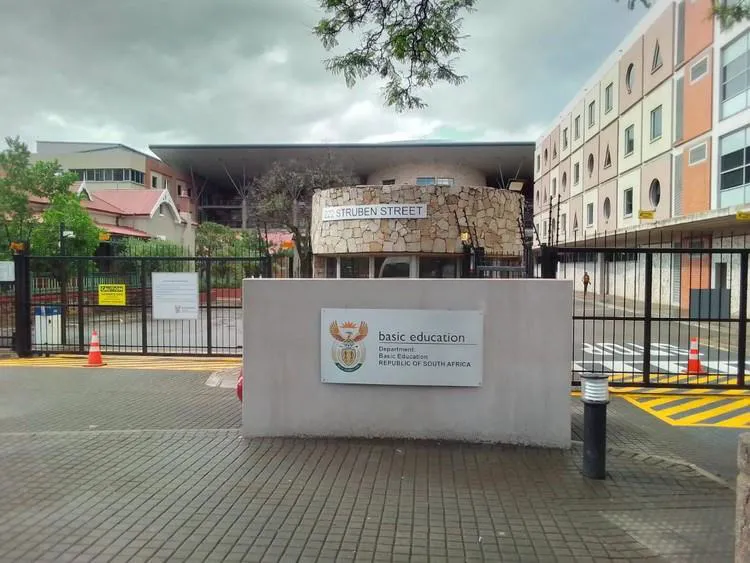
Comprehensive Overview of the South Africa Department of Basic Education
The Department of Basic Education (DBE) in South Africa is the cornerstone of the nation’s educational system, tasked with overseeing primary and secondary education to ensure that all South African children receive quality education. The DBE’s work is fundamental to shaping the future of the country by equipping young South Africans with the necessary knowledge and skills to succeed in life. This article provides an extensive review of the department’s responsibilities, its key initiatives, legislation such as the BELA Bill, and contact details for regional offices and vacancies.
Introduction to the Department of Basic Education
The Department of Basic Education is a government body in South Africa responsible for overseeing the education system from Grade R to Grade 12. This department ensures that schools follow the prescribed curriculum, maintains the national examination system, and develops policies aimed at improving the accessibility and quality of education. Through a variety of programs and legislative frameworks, the DBE strives to ensure that all children, regardless of their background or socioeconomic status, receive the best education possible.
The Role of the Department of Basic Education
The primary goal of the Department of Basic Education is to ensure the provision of accessible, inclusive, and high-quality education to learners across South Africa. It is the government’s responsibility to foster an environment where every child, regardless of race, gender, or income level, has the opportunity to succeed in school.
In addition to its commitment to improving educational standards, the DBE is tasked with the following responsibilities:
- Curriculum Development: The DBE is responsible for developing the national curriculum, which sets the educational standards for all schools in South Africa. This includes determining what subjects and content learners need to be taught at each grade level.
- Policy Formulation: The department is tasked with formulating policies to regulate various aspects of education, including teacher training, learner support, and resource allocation.
- Examination Management: The Department of Basic Education is responsible for managing the national examinations system, which includes overseeing assessments such as the National Senior Certificate (NSC), one of the key academic qualifications in South Africa.
- Infrastructural Development: The DBE ensures that schools are well-equipped with the necessary infrastructure to facilitate quality learning. This includes ensuring access to classrooms, textbooks, digital learning tools, and proper sanitation facilities.
- Teacher Professional Development: The department plays a crucial role in ensuring that teachers are adequately trained, skilled, and supported in their roles. This includes providing ongoing professional development programs and ensuring that teaching standards are maintained.
- Educational Programs and Projects: The DBE also manages various educational programs aimed at enhancing the quality of education in schools, such as the Second Chance Matric Programme, which supports learners who did not pass their matric exams the first time around.
The Minister of Basic Education: Siviwe Gwarube
The Minister of Basic Education, Siviwe Gwarube, is currently leading the Department of Basic Education. She was appointed to this role on July 3, 2024, succeeding the previous minister. As a member of the Democratic Alliance (DA), Gwarube is committed to improving the quality of education in South Africa, particularly focusing on the foundation phase and working towards securing more government funding for education.
Minister Gwarube’s Responsibilities and Key Actions:
As the Minister of Basic Education, Gwarube’s responsibilities encompass the oversight of primary and secondary education in South Africa. She is focused on improving the foundation phase of education, which is critical for building strong educational foundations for learners.
- Education Foundation Focus: Gwarube has worked towards improving foundational learning, ensuring that learners in the early grades are equipped with essential skills in literacy and numeracy.
- Securing Education Funding: She has also advocated for more government funding for education, which has become an increasingly critical issue as schools face challenges like overcrowded classrooms, outdated resources, and a shortage of educators.
- Announcement of Record Matric Pass Rate: In a notable recent action, Minister Gwarube announced that the 2024 matric pass rate had reached 3%, marking the highest pass rate in the country’s history, an achievement that underscores improvements in the educational outcomes of South African learners.
- Addressing Teen Pregnancies: Minister Gwarube emphasized the importance of schools reporting all cases of teen pregnancies, even when the perpetrators are not affiliated with the school. This step is vital for ensuring the safety and well-being of learners.
- Concerns About Budget Cuts: The Minister raised concerns about the potential impact of budget cuts on the education system. She highlighted that these cuts could lead to larger class sizes and reduced individual attention for learners, which would negatively affect the quality of education.
Background of Minister Siviwe Gwarube
Gwarube has been a Member of Parliament (MP) representing the Democratic Alliance (DA) since May 2019. Prior to her appointment as Minister, she served in various roles, where she gained valuable experience in policy development and education-related issues.
The BELA Bill: A Landmark Educational Legislation
One of the key pieces of proposed legislation in South Africa’s educational landscape is the Basic Education Laws Amendment (BELA) Bill. The BELA Bill seeks to amend various laws that govern basic education in South Africa, with the aim of improving the governance, accessibility, and quality of education in the country. While the BELA Bill is still under review, its provisions could have significant implications for the way schools operate, and how learners, educators, and parents interact with the educational system.
Key Aspects of the BELA Bill:
- Improved Governance: The BELA Bill proposes changes to how schools are governed. This includes improving the roles and responsibilities of school governing bodies, which are responsible for managing schools at the local level.
- Learner Rights: The bill introduces additional protections for learners, ensuring that their rights are better protected in educational settings. This includes addressing issues related to language of instruction, admission policies, and the rights of learners with disabilities.
- School Discipline: Another area the BELA Bill addresses is the issue of school discipline. The bill suggests new frameworks for dealing with behavioral issues in schools, aiming to create a more conducive learning environment for all learners.
- Language of Instruction: The BELA Bill proposes changes in the use of language in schools, which will allow more flexibility in the medium of instruction, potentially allowing learners to be educated in their home languages where possible.
- Admission Policies: The bill aims to standardize the process of learner admissions across all schools in South Africa, which will help reduce disparities in access to quality education.
The Basic Education Laws Amendment Bill represents a significant effort to reform the education system in South Africa, aligning it with the needs of modern learners and improving the overall quality of education.
The Department of Basic Education’s Contact Information and Physical Address
For individuals seeking to engage with the Department of Basic Education, whether for inquiries, support, or accessing services, it is essential to know the department’s official contact information.
Physical Address of the Department of Basic Education:
- Department of Basic Education
- Physical Address: 222 Struben Street, Pretoria, South Africa
Contact Information for the Ministry of Basic Education:
- General Email: info@dbe.gov.za
- Call Centre: 0800 202 933
- Website: www.education.gov.za
Working Hours:
The office hours for the Department of Basic Education are generally Monday to Friday, from 8:00 AM to 4:30 PM. However, it is advisable to confirm the office hours on the department’s website or by contacting the call centre directly.
For inquiries, including those related to vacancies, exams, or educational programs, you can reach out via the call centre or email.
Political Parties Affiliated with the Department of Basic Education
The Department of Basic Education is a government entity that operates under the leadership of the African National Congress (ANC) and DA under GNU armaments, South Africa’s ruling political parties. The ANC has traditionally placed a high priority on education and has worked to improve access to schooling for all South Africans, particularly in historically disadvantaged areas.
The African National Congress (ANC) and Education Policy
The ANC has consistently championed education as a fundamental tool for transforming South African society. Its education policies have focused on:
- Universal Access to Education: The ANC has made it a priority to ensure that all South African children, regardless of background or geographic location, have access to education.
- Improving Education Quality: The ANC government has worked to improve the quality of education through curriculum reforms, teacher training, and infrastructure development.
- Inclusive Education: The ANC has emphasized the importance of inclusive education that caters to learners with disabilities and diverse needs.
While the ANC is the dominant political party overseeing the Department of Basic Education, other political parties in South Africa, such as the Democratic Alliance (DA) and Economic Freedom Fighters (EFF), occasionally critique the government’s education policies and offer alternative solutions for the country’s education system.
Regional Offices of the Department of Basic Education
The Department of Basic Education has regional offices across South Africa to ensure that educational policies and programs are implemented effectively at the provincial level. These offices provide localized support and serve as a critical link between the national government and schools.
Contacting Regional Offices
For information specific to your region, or if you require assistance with education-related issues such as vacancies, registration, or program participation, the Department of Basic Education website offers detailed contact information for each regional office.
Regional offices can be accessed through the main website: www.education.gov.za.
Conclusion
The Department of Basic Education plays a critical role in shaping the educational landscape of South Africa. Through its policies, programs, and initiatives, the department works tirelessly to improve access to quality education for all South African learners. The BELA Bill, led by the Minister of Basic Education, Siviwe Gwarube, and the ongoing efforts of the ANC government to enhance education quality, reflect the nation’s commitment to fostering an educated, skilled, and capable future workforce.
If you’re looking for more information on education vacancies, registration processes, or access to past exam papers, the Department of Basic Education’s official website www.education.gov.za offers a wealth of resources. Whether you’re an educator, student, or parent, the department’s goal is to ensure that every South African child has access to the tools and opportunities necessary for academic success.
Thank you for reading, Kindly share. eKayNews South Africa