What the phasing out of 1,475 qualifications means for South Africa’s education system
Government Phases Out Outdated Qualifications for Jobs as South Africa embarks on one of the most significant reforms in its post-school education and training sector. The Department of Higher Education and Training has confirmed that 1,475 legacy qualifications have reached the end of their registration cycle as part of a nationwide effort to modernise the education system and improve graduate employability.
The transition forms part of a broader restructuring of the National Qualifications Framework (NQF), with government replacing outdated programmes with occupational learning pathways that are designed to meet current workplace demands.
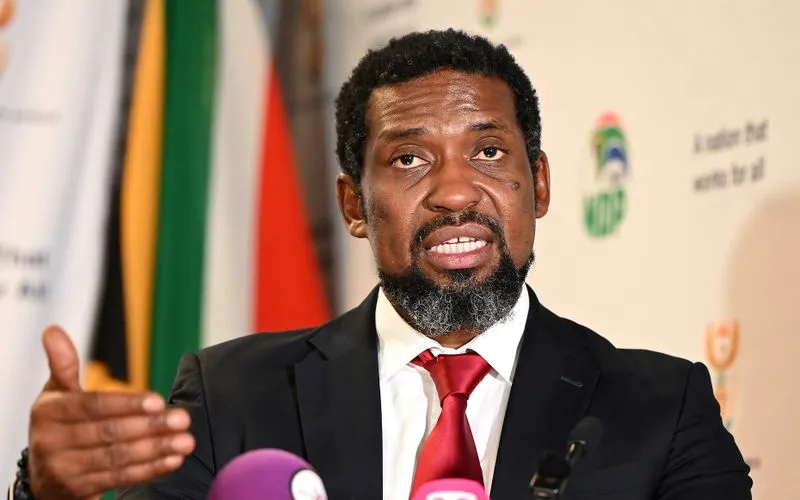
Higher Education and Training Minister Buti Manamela announced the development during a media briefing, reassuring students, graduates and employers that qualifications already awarded remain valid and recognised.
What the Phasing Out of Qualifications Means for South Africa
The phasing out of 1,475 pre-2009 qualifications marks a major turning point for education and skills development in South Africa. These qualifications were introduced before the implementation of the National Qualifications Framework Act of 2008 and have been reviewed to determine whether they still meet modern industry requirements.
According to the Department of Higher Education and Training, many of these qualifications no longer align with rapidly changing workplace environments shaped by technology, automation, renewable energy and digital transformation.
The restructuring process aims to ensure that future qualifications are more relevant, practical and responsive to the country’s economic needs.
Minister Manamela emphasised that the reform should not be viewed as a cancellation of existing qualifications.
“Let me state from the outset that this transition is not about invalidating qualifications that people have worked hard to achieve,” he said.
“All qualifications already awarded remain valid, recognised and recorded on the National Learners’ Records Database.”
Why Government Is Replacing Legacy Qualifications
The decision to phase out outdated qualifications is driven by the need to strengthen South Africa’s skills pipeline and improve employment outcomes for graduates.
Many of the qualifications under review were developed decades ago and no longer provide the practical workplace experience required by employers. Government believes occupational learning programmes offer a more effective route to employment because they combine classroom education with structured workplace training.
The Quality Council for Trades and Occupations (QCTO), together with the South African Qualifications Authority (SAQA), Sector Education and Training Authorities (SETAs), and industry partners, are leading the implementation of the new occupational qualification framework.
Government says that 948 occupational qualifications and part-qualifications have already been registered, demonstrating significant progress in the transition process.
Focus on Workplace Readiness
A key objective of the new system is to ensure graduates leave educational institutions with both theoretical knowledge and practical experience.
“What we are introducing are qualifications that guarantee practical experience and workplace placement,” Manamela explained.
The occupational learning model seeks to bridge the gap between education and employment by exposing learners to real workplace environments before they graduate.
This approach is expected to make graduates more attractive to employers and reduce the skills mismatch that has long challenged South Africa’s labour market.
Which Qualifications Are Affected?
The qualifications reaching the end of their registration period include a wide range of legacy programmes that predate the current NQF system.
Among the affected qualifications are:
- National Accredited Technical Education Diploma programmes.
- Certain N4 to N6 certificates offered at TVET colleges.
- Older apprenticeship qualifications.
- Outdated technical and vocational training programmes.
- Fragmented unit-standard-based short courses.
Fields impacted include engineering, business management, tourism and various artisan trades.
However, the process is not a blanket deregistration of all programmes.
Following extensive consultation with stakeholders, government granted enrolment extensions to 630 qualifications. These qualifications will continue accepting students for a specified period while the transition to occupational learning continues.
Other qualifications were deregistered because of low enrolment numbers or because newer occupational qualifications have already replaced them.
What Happens to Current Students?
One of the biggest concerns raised by students and parents is whether existing studies will be affected by the education reforms.
Government has repeatedly assured learners that transitional arrangements are in place to protect students currently enrolled in affected programmes.
Students registered for N4 to N6 qualifications and other legacy programmes will be allowed to complete their studies according to approved teach-out plans.
This means learners will continue receiving instruction and assessment until they have completed their qualifications.
Manamela stressed that students should not panic or assume their qualifications will lose value.
The department is also working with SETAs, employers and government partners to facilitate workplace placements for students who need practical experience to complete their national diplomas.
This support is particularly important for TVET graduates who often struggle to secure the workplace training required for certification.
Occupational Learning Becomes the Future
The transition highlights government’s growing emphasis on occupational learning as the cornerstone of South Africa’s future skills development strategy.
Occupational qualifications differ from traditional programmes because they are designed around specific occupations and industry requirements.
Rather than focusing solely on academic content, these qualifications integrate:
- Classroom learning.
- Practical skills training.
- Workplace experience.
- Industry-based assessments.
The goal is to produce graduates who are job-ready from the moment they qualify.
Government believes this approach will help address unemployment, particularly among young people, by ensuring that graduates possess skills directly linked to available jobs.
Employment Benefits of Occupational Qualifications
Research conducted by the Quality Council for Trades and Occupations suggests the new system is already delivering positive outcomes.
QCTO Chief Executive Officer Vijayen Naidoo revealed that approximately 86% of learners who have obtained occupational qualifications have secured meaningful employment.
This figure has strengthened confidence among policymakers that occupational learning can improve graduate employability and support economic growth.
As industries continue to evolve, qualifications that combine theory with practical workplace exposure are increasingly viewed as essential for workforce development.
The Role of SAQA and Quality Assurance
The South African Qualifications Authority plays a crucial role in ensuring the integrity of qualifications across the country.
SAQA Chief Executive Officer Nadia Starr reassured the public that qualifications already achieved will remain permanently recorded and recognised.
Every legally awarded qualification is stored on the National Learners’ Records Database, creating a permanent national repository of educational achievements.
This means that even if a qualification is phased out, individuals who earned it previously will continue to receive recognition from employers, educational institutions and professional bodies.
Starr emphasised that older qualifications will never become worthless simply because they are no longer offered to new students.
The reassurance is particularly important for thousands of graduates who completed legacy qualifications over the past two decades.
Restructuring South Africa’s Education Landscape
The restructuring of qualifications represents more than an administrative change. It reflects a broader transformation of South Africa’s post-school education system.
Government aims to create a more responsive framework capable of adapting to emerging industries, technological advancements and changing labour market needs.
The modernisation strategy aligns with broader national goals of reducing unemployment, improving productivity and strengthening economic competitiveness.
By focusing on occupational learning and workplace-integrated education, policymakers hope to build a stronger connection between training institutions and employers.
This alignment is expected to create clearer pathways from education into employment while supporting the country’s long-term development objectives.
YOU MAY LIKE:
Looking Ahead
The transition away from outdated qualifications is expected to continue over the coming years as more occupational qualifications are introduced.
Government has indicated that the full list of qualifications approved for extension, along with replacement occupational qualifications, will be published through official channels and the South African Qualifications Authority.
While the reforms represent a significant shift in the education sector, officials maintain that the process is designed to strengthen rather than undermine existing qualifications.
For students, graduates and employers, the message remains clear: qualifications already earned retain their value, while future learners will benefit from programmes that provide stronger workplace relevance and improved employment prospects.
As South Africa continues restructuring its post-school education system, occupational learning is set to become the foundation of a more modern, practical and employment-focused qualifications framework.
References
- Department of Higher Education and Training. (2026). Minister Buti Manamela briefs media on the phasing out of pre-2009 qualifications. Available at:
South African Government – Phasing Out Pre-2009 Qualifications - TimesLIVE. (2026). Your old certificate is safe but SA is changing how it trains workers. Available at:
TimesLIVE – Your Old Certificate Is Safe
Keep the News Flowing – Buy the Team a Coffee! ☕

Love the updates? Help us stay on the beat! Whether it’s a quick one-time donation or a monthly subscription, your support keeps the eKayNews lights on and the stories flowing.
-
Secure & Simple: We use PayFast for total transaction peace of mind.
-
Make an Impact: Every “coffee” you send directly supports our newsroom.
Your Brand, Our Audience: Let’s Make Headlines Together! 🚀

Looking for real engagement? At eKayNews, we don’t just share news—we build connections. Whether you’re a local startup or a growing business, our advertising packages are designed to put your brand in front of a loyal, highly engaged audience.
Choose Your Spotlight:
-
Link Booster (R2,500): Dominate the feed with 7 links across 7 days.
-
Permanent Feature (R4,000): Your story, hosted on our site for a lifetime.
-
Prime Visibility (R5,000): Claim the top spot with a 30-day homepage banner.
Ready to grow? 📩 Email us: info@ekaynews.co.za 💬 WhatsApp us: +27 71 096 1185
Get Connected:
-
Facebook & X (Twitter) : Follow us for real-time updates and community debates.
-
WhatsApp Channel: Get exclusive alerts sent directly to your phone.
Stay informed, ahead, connected with the eKayNews family!