Iran says it is ‘waiting’ for ground invasion, as US moves in more troops
Iran says it is ‘waiting’ for ground invasion, as US moves in more troops, signaling a dangerous new escalation in an already volatile Middle East conflict. As the crisis enters its 30th day, tensions between Iran and the United States have intensified dramatically, raising fears of a full-scale war that could reshape the region.
While diplomatic channels remain open on paper, the reality on the ground—and at sea—suggests a growing shift toward direct confrontation. Military deployments, hardened rhetoric, and regional anxiety are converging into what analysts warn could become one of the most dangerous geopolitical flashpoints in recent history.
Rising Tensions in the US-Iran Conflict
The long-standing conflict between Iran and the United States has historically been defined by indirect engagements. These have included proxy wars, cyber operations, economic sanctions, and targeted strikes rather than direct military confrontation.
However, recent developments suggest a possible shift. Iran says it is ‘waiting’ for ground invasion, as US moves in more troops, indicating that Tehran believes Washington may be preparing for a more aggressive military phase.
Iranian officials have accused the United States of masking military intentions behind diplomatic overtures, claiming negotiations are being used as a strategic distraction. This perception has heightened mistrust and reduced the likelihood of immediate de-escalation.
Ghalibaf’s Defiant Warning
A central figure in this escalating rhetoric is Mohammad Bagher Ghalibaf, who has taken a firm stance against the United States.
In a strongly worded address, Ghalibaf accused Washington of duplicity, arguing that while the U.S. publicly calls for negotiations, it is simultaneously preparing for a ground invasion. He warned that Iranian forces are ready to respond decisively to any such move.
His message emphasized national resistance and rejection of external pressure, reinforcing Iran’s long-standing narrative of sovereignty and defiance. Statements like these contribute to the broader atmosphere in which Iran says it is ‘waiting’ for ground invasion, as US moves in more troops, signaling readiness for direct confrontation.
USS Tripoli and the Military Build-Up
One of the most significant developments fueling these concerns is the deployment of the USS Tripoli to the Middle East.
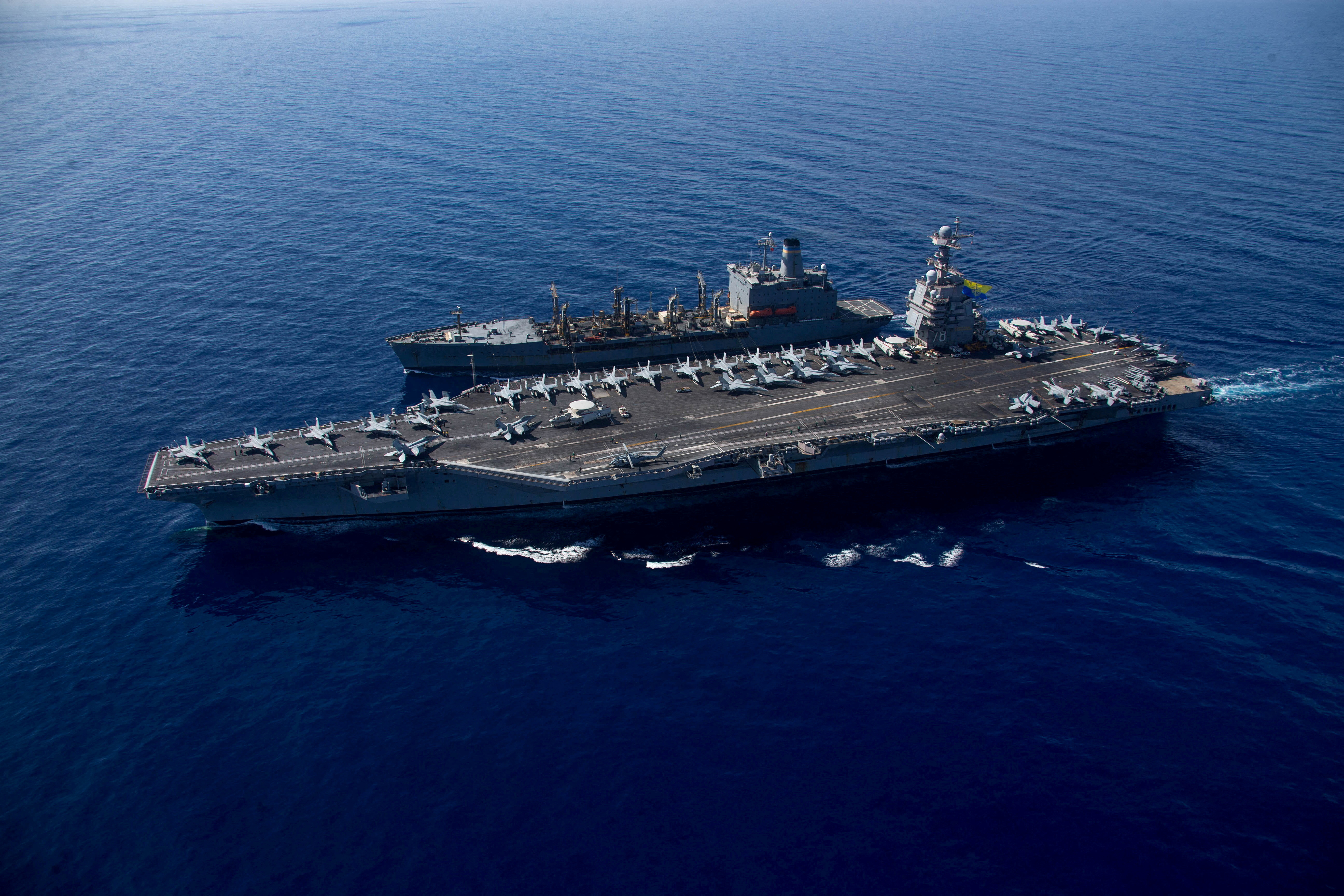
The USS Tripoli is an America-class amphibious assault ship capable of carrying approximately 3,500 Marines along with aircraft, helicopters, and advanced combat systems. Its presence in the region is widely interpreted as a signal of readiness for rapid deployment operations, including potential amphibious assaults.
According to United States Central Command, such deployments are intended to enhance regional security and deterrence. However, from Iran’s perspective, the arrival of such a vessel reinforces fears of an impending invasion.
This military buildup plays directly into Tehran’s narrative, as Iran says it is ‘waiting’ for ground invasion, as US moves in more troops, increasing the risk of miscalculation on both sides.
The Strategic Reality of a Ground Invasion
A ground invasion of Iran would be vastly different from previous conflicts in the region. Iran’s geography—characterized by rugged mountains, deserts, and fortified الدفاع systems—makes it a highly challenging environment for any invading force.
Military experts have long warned that such an operation would require:
- Massive troop deployments
- Extensive logistical support
- Sustained air and naval superiority
Iran has also invested heavily in asymmetric warfare capabilities, including missile systems, underground facilities, and regional proxy networks. These factors significantly increase the potential cost of any invasion, both in terms of human lives and economic impact.
Given these realities, many analysts believe the U.S. troop buildup may be aimed more at strategic الضغط than actual invasion. However, the danger lies in perception. When Iran says it is ‘waiting’ for ground invasion, as US moves in more troops, even defensive measures can be interpreted as offensive threats.
Regional Diplomacy and De-escalation Efforts
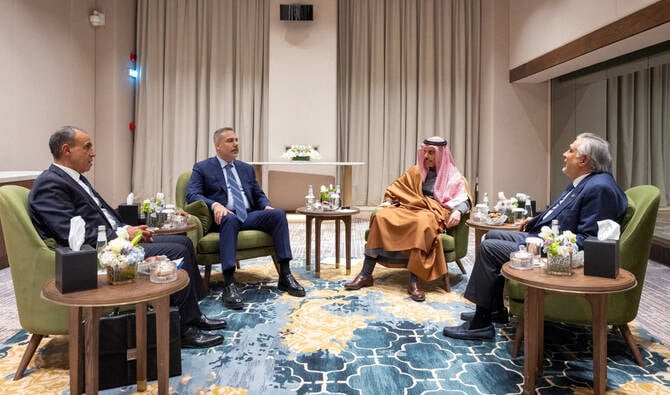
As tensions rise, regional powers are stepping in to prevent further escalation. Countries such as Saudi Arabia, Turkey, and Egypt are actively engaged in diplomatic efforts.
Talks hosted in Pakistan have brought together key foreign ministers in an attempt to mediate between Washington and Tehran.
Each of these nations has strong reasons to push for peace:
- Saudi Arabia seeks regional stability for its economic transformation plans
- Turkey aims to maintain balance due to its geopolitical position
- Egypt is concerned about the امنیت of global trade routes like the Suez Canal
These diplomatic efforts represent a crucial attempt to create an off-ramp from conflict, even as military tensions continue to rise.
Global Implications of Escalation
The potential consequences of a direct US-Iran conflict extend far beyond the Middle East. Global oil markets, international shipping routes, and economic stability are all at risk.
Key concerns include:
- Disruption of النفط supply through the Persian Gulf
- Increased energy prices worldwide
- Threats to international shipping lanes
- Broader regional instability
Additionally, global powers such as United Nations are closely monitoring the situation, urging restraint and renewed diplomatic engagement.
A Dangerous Turning Point
The current moment represents a critical turning point. The phrase Iran says it is ‘waiting’ for ground invasion, as US moves in more troops captures the essence of the crisis: a situation where both sides are preparing for the worst while publicly leaving the door open for peace.
This dual-track approach—military readiness combined with diplomatic signaling—creates a fragile and unpredictable environment. Even a minor incident could trigger a larger conflict.
YOU MAY LIKE:
Houthis attack Israel for the first time since Iran war began
Conclusion
As tensions between Iran and the United States continue to escalate, the world faces a moment of profound uncertainty. The deployment of military assets, combined with increasingly aggressive rhetoric, suggests that the situation could deteriorate rapidly.
Yet, there remains a narrow window for diplomacy. The ongoing efforts by regional powers highlight the global desire to avoid a catastrophic war.
For now, the reality remains stark: Iran says it is ‘waiting’ for ground invasion, as US moves in more troops, leaving the Middle East—and the world—on edge.
References (Mainstream Media)
- BBC News – US military deployments and Middle East tensions
https://www.bbc.com/news/world-middle-east - Reuters – Iran-US conflict and regional military movements
https://www.reuters.com/world/middle-east/
Keep the Headlines Fresh!

Quality news takes time, effort, and a whole lot of coffee. If you value what we do at eKayNews, consider “buying a round” for the team!
-
Join the Inner Circle: Set up a custom subscription.
-
The Instant Jolt: Send a one-time “coffee” donation.
Why trust us? We use PayFast for 100% secure, encrypted transactions. Your data stays yours; the news stays ours.
To our amazing readers: You’re the reason we’re first on the scene. Thanks for being part of the family!
Feel the Pulse of the News with eKayNews!

Join the ever-growing eKayNews community and stay connected to the stories that matter. Follow us on Facebook, X, and WhatsApp for real-time updates, breaking news, and exclusive alerts straight to your feed. Your support keeps us digging deeper and sharing the news you can trust.
Stay Connected:
-
Facebook: [eKayNews on Facebook]
-
X (Twitter): [eKayNews on X]
-
WhatsApp: [Join the eKayNews WhatsApp Channel]
Become part of our inner circle and get instant news alerts as events unfold across South Africa and beyond!
Promote Your Brand with eKayNews
Looking to reach a wide, engaged audience? Explore our advertising packages:
-
Link Booster: 7 links to 7 articles over 7 days – R2,500
-
Permanent Feature: Sponsored blog article hosted permanently – R4,000
-
Prime Visibility: Home page banner ad for 30 days – R5,000
Don’t miss your chance to connect with our audience. Book your package today via email at info@ekaynews.co.za or WhatsApp us on +27710961185.
Be part of a platform where news meets community—stay informed, stay ahead, stay with eKayNews!