Malawians flee South Africa amid xenophobic threats
Malawians flee South Africa amid xenophobic threats as growing anti-immigrant demonstrations, intimidation, and violence force thousands of foreign nationals to seek refuge or return to their home countries. Across KwaZulu-Natal and other parts of South Africa, fears for personal safety have triggered a humanitarian crisis affecting Malawians, Nigerians, Mozambicans, Ghanaians, Zimbabweans, and other migrant communities.
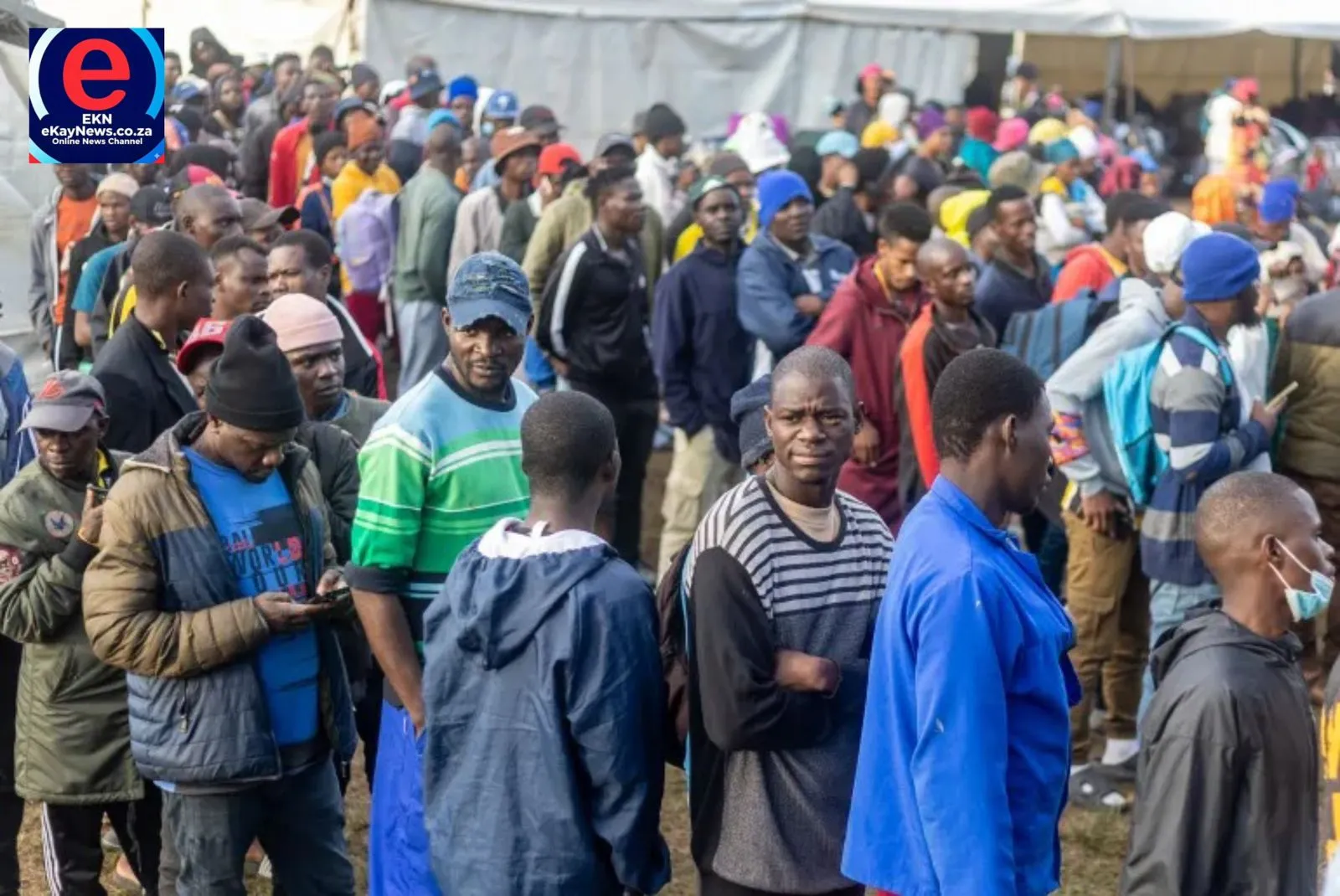
More than 3,000 Malawians, including hundreds of children, are currently sheltering in an open field in Durban after fleeing communities where they say they faced threats, harassment, and growing hostility. Many of those affected now view repatriation as their only realistic option as uncertainty continues to surround their future in South Africa.
The latest developments have renewed concerns about xenophobia in South Africa, a country that has experienced recurring outbreaks of anti-immigrant violence over the past two decades.
Thousands Seek Safety Amid Rising Xenophobia
The situation in Durban has become one of the most visible examples of the growing crisis. A public park has effectively transformed into a temporary transit camp, housing thousands of displaced migrants who abandoned their homes in fear of attack.
Many families left behind their possessions, jobs, and livelihoods after receiving warnings from groups demanding that undocumented foreigners leave South Africa before June 30.
For those gathered in the makeshift camp, daily life has become a struggle. Temperatures have dropped significantly during the winter season, leaving many families exposed to harsh weather conditions.
Children, elderly residents, and vulnerable individuals have been particularly affected. Aid groups, volunteers, and community organizations have attempted to provide food, blankets, and basic necessities, but the scale of the displacement continues to grow.
Families Forced to Leave Homes
Among those affected is a large number of Malawian families who say they fled townships and informal settlements after receiving threats from anti-immigrant groups.
Many migrants report being told to leave immediately or risk facing violence. Others say they witnessed attacks on homes, businesses, and community members.
Parents have been forced to remove children from school, while workers have lost their jobs and sources of income. Several migrants described the difficult choice between remaining in South Africa and risking violence or returning home with little certainty about their future.
The situation has highlighted the vulnerability of migrant communities who often depend on informal employment and lack access to social protection systems.
Repatriation Becomes the Preferred Option
As fears continue to rise, repatriation efforts have accelerated across several countries.
Nigeria recently began repatriating its citizens from South Africa, with the first group of more than 260 nationals arriving safely in Lagos. Nigerian authorities have indicated that additional flights will follow as more citizens request assistance to return home.
Malawi, Ghana, Mozambique, and Zimbabwe have also launched programmes to assist nationals who wish to leave South Africa voluntarily.
For many migrants, repatriation is no longer viewed as a temporary measure but as a necessary step to ensure personal safety and family security.
Government officials from affected countries are working closely with diplomatic missions, immigration authorities, and humanitarian organisations to facilitate travel arrangements and documentation.
Nigeria and Malawi Lead Evacuation Efforts
The Nigerian government has been among the most active in responding to the crisis. Officials reported that approximately 1,000 Nigerians expressed interest in returning home due to escalating concerns about xenophobia and security.
The first repatriation flight carried mainly women and children. Additional groups are expected to depart as arrangements continue.
Malawi has also intensified efforts to assist citizens stranded in temporary shelters. Officials are gathering information, verifying identities, and coordinating transportation for those seeking to return.
The growing number of repatriation requests reflects the extent of fear currently affecting migrant communities throughout South Africa.
Political Tensions Fuel Immigration Debate
The latest wave of anti-immigrant protests has intensified debates around immigration, unemployment, and economic opportunity in South Africa.
Some protest groups argue that undocumented migrants contribute to unemployment and place pressure on public services. Demonstrators claim that South African citizens struggle to find work while foreign nationals occupy positions across various sectors of the economy.
Political organisations have also entered the debate. In KwaZulu-Natal, some anti-immigration demonstrations have received support from political activists who argue for stricter immigration enforcement.
However, human rights organisations and migration experts warn that migrants are often unfairly blamed for broader economic challenges.
South Africa continues to face high unemployment rates, slow economic growth, and widespread poverty. Experts argue that these structural issues cannot be attributed solely to foreign nationals.
The Role of Undocumented Migration
The issue of undocumented migration remains central to the ongoing discussion.
Government officials have repeatedly stated that South Africa welcomes legal migration while maintaining that immigration laws must be respected.
President Cyril Ramaphosa recently announced several measures aimed at improving migration management, strengthening border controls, and increasing deportations of undocumented migrants.
These measures include enhanced inspections, dedicated immigration courts, and expanded cooperation between the Department of Home Affairs, Border Management Authority, and law enforcement agencies.
Supporters believe these reforms could improve compliance with immigration laws and reduce tensions within communities.
History of Xenophobic Violence in South Africa
The current crisis has revived painful memories of previous outbreaks of xenophobic violence.
South Africa experienced one of its most severe episodes in 2008 when dozens of migrants were killed and thousands displaced during widespread attacks targeting foreign nationals.
Since then, several smaller outbreaks have occurred, often linked to economic frustrations, political tensions, and social instability.
Human rights groups have consistently warned that xenophobia remains a persistent challenge requiring long-term solutions.
South Africa hosts approximately three million foreign nationals, representing around five percent of the country’s population. Most migrants originate from neighbouring Southern African Development Community (SADC) countries.
Many contribute to the economy through employment, entrepreneurship, and investment. Others work in sectors facing labour shortages.
Despite these contributions, migrants often become targets during periods of economic hardship.
Humanitarian Concerns Continue to Grow
Humanitarian organisations are increasingly concerned about conditions facing displaced migrants.
Thousands remain in temporary shelters, parks, community halls, and government facilities while awaiting assistance.
Access to sanitation, healthcare, food, and shelter remains limited in many locations.
Children have been among the most affected. Some have missed school examinations, while others face uncertainty about their education and future.
Aid agencies have called for increased support from government institutions, international organisations, and civil society groups to address immediate humanitarian needs.
They have also urged authorities to prevent further violence and protect vulnerable communities regardless of nationality.
Government Response and Future Challenges
South African authorities have acknowledged growing public concerns surrounding immigration while emphasising the importance of maintaining law and order.
Police have increased patrols in several affected areas and have deployed public order units to monitor protests and prevent violence.
At the same time, government officials continue to stress that immigration issues must be addressed through lawful processes rather than intimidation or vigilantism.
The Department of Home Affairs has reiterated its commitment to enforcing immigration laws while ensuring that deportations and repatriations occur within legal frameworks.
President Ramaphosa has stated that every sovereign nation has the responsibility to know who enters its territory and under what conditions they remain.
However, balancing immigration enforcement with human rights protections remains a significant challenge.
YOU MAY LIKE:
586 Nigerians living illegally in SA processed for repatriation
Looking Ahead
Malawians flee South Africa amid xenophobic threats highlights a complex issue involving migration, economic pressures, community tensions, and humanitarian concerns. As thousands of migrants seek safety and repatriation efforts continue, governments across Southern Africa face the difficult task of protecting citizens while addressing legitimate immigration concerns.
For many Malawians, Nigerians, and other affected migrants, the immediate priority is safety. Whether through repatriation or temporary shelter, families are searching for stability after being displaced by fear and uncertainty.
The coming weeks will be critical as authorities, community leaders, and regional governments work to prevent further violence and find sustainable solutions to one of Southern Africa’s most pressing migration challenges.
As the situation unfolds, the experiences of displaced migrants serve as a reminder of the human impact behind debates surrounding immigration, borders, and national identity. Ensuring safety, dignity, and lawful migration management will remain essential in preventing future outbreaks of xenophobia and building stronger regional cooperation.
References from Mainstream Media
- Al Jazeera – Malawians and Nigerians flee South Africa amid xenophobic threats
https://www.aljazeera.com/news/2026/6/11/thousands-of-malawians-flee-homes-in-south-africa-amid-xenophobic-threats - Reuters – South Africa’s Ramaphosa vows crackdown on groups behind xenophobic attacks
https://www.reuters.com/world/africa/south-africas-ramaphosa-vows-crackdown-groups-behind-xenophobic-attacks-2026-06-07/
Keep the News Flowing – Buy the Team a Coffee! ☕

Love the updates? Help us stay on the beat! Whether it’s a quick one-time donation or a monthly subscription, your support keeps the eKayNews lights on and the stories flowing.
-
Secure & Simple: We use PayFast for total transaction peace of mind.
-
Make an Impact: Every “coffee” you send directly supports our newsroom.
Your Brand, Our Audience: Let’s Make Headlines Together! 🚀

Looking for real engagement? At eKayNews, we don’t just share news—we build connections. Whether you’re a local startup or a growing business, our advertising packages are designed to put your brand in front of a loyal, highly engaged audience.
Choose Your Spotlight:
-
Link Booster (R2,500): Dominate the feed with 7 links across 7 days.
-
Permanent Feature (R4,000): Your story, hosted on our site for a lifetime.
-
Prime Visibility (R5,000): Claim the top spot with a 30-day homepage banner.
Ready to grow? 📩 Email us: info@ekaynews.co.za 💬 WhatsApp us: +27 71 096 1185
Get Connected:
-
Facebook & X (Twitter) : Follow us for real-time updates and community debates.
-
WhatsApp Channel: Get exclusive alerts sent directly to your phone.
Stay informed, ahead, connected with the eKayNews family!