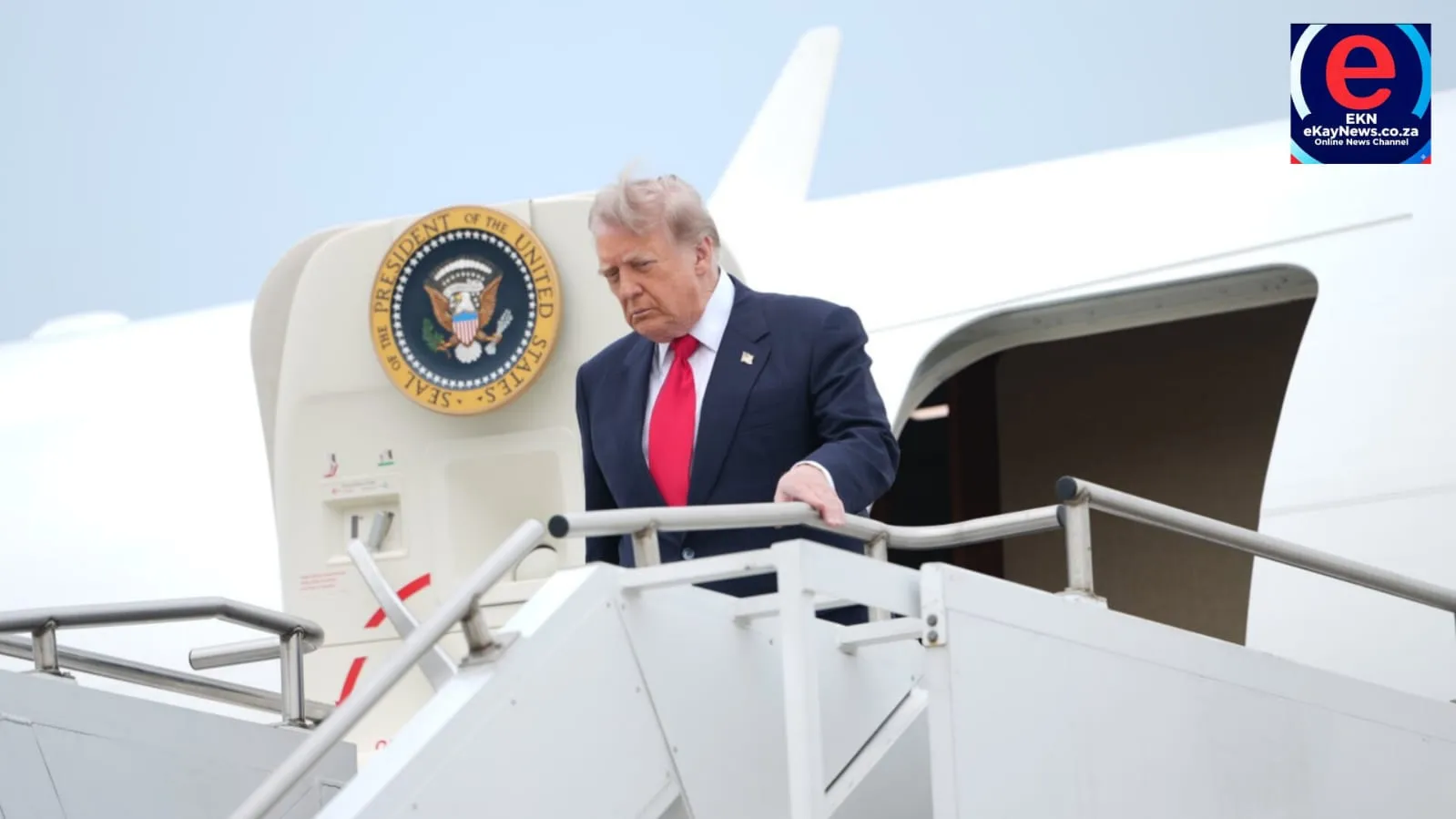
Proposed Hormuz deal would give Iran control of inbound traffic
Proposed Hormuz deal would give Iran control of inbound traffic has emerged as one of the most significant geopolitical developments affecting global energy markets and international shipping. According to senior Iranian and regional officials, a draft agreement under discussion between Iran and Oman could grant Tehran authority over vessels entering the Persian Gulf through the Strait of Hormuz, a move that would mark a dramatic shift in regional power.
While negotiations continue, officials have cautioned that the agreement has not yet been finalised despite optimistic remarks from United States President Donald Trump. Key issues surrounding inspections, shipping fees and the exact definition of Iranian control remain unresolved.
The proposed arrangement comes at a time of heightened tensions across the Middle East, with attacks on commercial shipping in the Red Sea continuing to disrupt global trade routes and push oil prices higher.
Proposed Hormuz deal could reshape global energy trade
The Proposed Hormuz deal has attracted worldwide attention because of the strategic importance of the Strait of Hormuz, one of the busiest maritime routes on earth.
Roughly one-fifth of the world’s oil supply passes through the narrow waterway every day. Any change in who controls access to the strait could have significant consequences for global energy markets, shipping companies and importing nations.
According to sources familiar with the negotiations, the agreement currently being discussed would allow Iran to exercise control over ships entering the Gulf, while negotiations continue regarding vessels leaving the Gulf.
Regional officials say discussions remain ongoing and that Gulf countries continue to insist that inspections should be supervised collectively by regional states rather than exclusively by Tehran.
Strait of Hormuz remains critical to global oil supplies
The Strait of Hormuz has long been regarded as one of the world’s most strategically important maritime chokepoints.
It connects the Persian Gulf with the Gulf of Oman and ultimately the Arabian Sea, allowing crude oil and liquefied natural gas exports from Saudi Arabia, Iraq, Kuwait, the United Arab Emirates and Qatar to reach international markets.
Because such a large portion of global energy exports travels through the strait, any disruption immediately affects oil prices worldwide.
For decades, international shipping has enjoyed relatively unrestricted passage through the waterway despite periodic military tensions between Iran and Western nations.
The latest proposal could fundamentally alter that long-standing arrangement.
Iran Oman negotiations continue despite uncertainty
The ongoing Iran Oman negotiations have become increasingly important after Oman assumed the role of intermediary between Tehran and Washington.
Although direct talks between Iran and the United States remain absent, Oman has facilitated discussions intended to ease regional tensions and restore safe passage through the Strait of Hormuz.
Iran reportedly rejected an earlier proposal after concluding it provided too little authority over shipping entering the Gulf.
Negotiators have since continued refining the agreement, but several contentious issues remain unresolved.
Among the biggest sticking points are:
- How Iranian control would be implemented.
- Whether inspections would be conducted solely by Iran or jointly with Gulf states.
- Whether shipping fees would be compulsory or voluntary.
- The level of authority Iran would exercise over outbound vessels.
Officials involved in the talks have stressed that no final agreement has yet been signed.
Donald Trump Iran talks raise expectations
The Donald Trump Iran talks have added another layer of uncertainty to the negotiations.
Speaking during an interview with Fox News, Trump said discussions were progressing well and suggested that the Strait of Hormuz could reopen fully in the near future.
He also warned that failure to reach an agreement could result in renewed military action against Iran.
However, regional officials have urged caution, saying Trump’s optimism does not necessarily reflect the current state of negotiations.
Iranian sources insist that numerous technical and political issues still require agreement before any deal can be finalised.
One senior Iranian official reportedly remarked that “the devil is in the details,” highlighting how easily negotiations could collapse if disagreements resurface.
Oil markets react to ongoing uncertainty
International oil prices moved slightly higher following reports that Yemen’s Iran-aligned Houthi movement attacked another tanker in the Red Sea.
The latest Red Sea shipping attacks have continued to disrupt one of the world’s busiest commercial shipping routes.
Although crude prices remain well below the highs recorded earlier during the conflict, traders remain cautious as any escalation involving the Strait of Hormuz could significantly affect global supply chains.
Analysts note that uncertainty surrounding the negotiations has prevented oil markets from stabilising completely.
Shipping companies continue monitoring developments closely as they assess risks associated with transporting cargo through both the Red Sea and the Persian Gulf.
Shipping fees remain a major obstacle
One of the most difficult issues facing negotiators involves transit fees.
According to sources familiar with the discussions, Iran has proposed charging between 5% and 7% of cargo value for ships using the Strait of Hormuz.
Oman has reportedly suggested a smaller fee of approximately 3%, while the United States continues advocating for unrestricted navigation without additional charges.
Some negotiators have explored making payments technically voluntary while allowing commercial operators to decide whether to contribute.
Critics argue that even voluntary payments could become unavoidable if shipping companies fear security risks associated with refusing them.
Military tensions continue across the region
Negotiations are taking place against a backdrop of continued military confrontation.
Despite months of military operations targeting Iranian-backed groups, attacks on commercial vessels have persisted.
Iran’s regional allies, particularly the Houthis in Yemen, continue targeting shipping in the Red Sea, claiming the attacks are part of efforts to restrict Saudi oil exports.
On Tuesday, an Indian-flagged cargo vessel reportedly sank near Yemen following an attack, although all crew members were rescued.
Regional governments continue expressing concern that escalating maritime violence could threaten international commerce and energy security.
What the agreement could mean for global markets
If finalised, the agreement would represent one of the most significant geopolitical shifts in Middle Eastern maritime security in recent years.
Granting Iran any formal authority over inbound traffic through the Strait of Hormuz would constitute a major concession compared with previous international arrangements.
Supporters argue that the agreement could reduce military tensions if all parties accept a mutually agreed framework.
Critics, however, warn that expanding Iran’s authority could increase uncertainty for shipping companies and international energy markets.
Financial institutions, insurers and global logistics companies are expected to closely monitor the outcome of the negotiations because any disruption to the Strait of Hormuz could have immediate consequences for global oil prices.
YOU MAY LIKE:
Outlook for the Proposed Hormuz deal
Although optimism surrounding the Proposed Hormuz deal would give Iran control of inbound traffic has increased following recent negotiations, officials continue emphasising that substantial work remains before any agreement can be implemented.
Questions surrounding inspection authority, shipping fees, regional oversight and enforcement mechanisms have yet to be fully resolved.
Meanwhile, ongoing Red Sea shipping attacks, continued diplomatic negotiations and developments surrounding the Donald Trump Iran talks are expected to influence the pace of discussions in the coming weeks.
Until a final agreement is reached, governments, shipping operators and energy markets are likely to remain on high alert as they assess the potential impact of one of the world’s most strategically important maritime negotiations.
References from mainstream media
- Reuters. Proposed Hormuz deal would give Iran control of inbound traffic, sources say. 5 August 2026.
https://www.reuters.com/world/middle-east/us-iran-having-very-good-discussions-trump-says-2026-08-05/ - Reuters. Iran demands inbound control of Hormuz and outbound oversight, source says. 4 August 2026.
https://www.reuters.com/world/middle-east/iran-demands-hormuz-inbound-control-outbound-oversight-source-says-2026-08-04/ - Reuters. Oil prices settle 5% lower after claims of progress in US-Iran talks. 4 August 2026.
https://www.reuters.com/business/energy/oil-ticks-up-after-selloff-talks-end-us-iran-war-remain-uncertain-2026-08-04/ - Reuters. Qatar says mediators make progress in efforts to end US-Iran war. 4 August 2026.
https://www.reuters.com/world/middle-east/status-us-iran-talks-uncertain-ship-struck-hormuz-2026-08-04/
Support Independent Journalism with eKayNews! 📰✨

At eKayNews, we are dedicated to bringing you honest, independent, and reliable news. But we can’t do it alone—independent journalism relies on the strength and generosity of its community.
If you value our work, please consider supporting us today! You can help keep us going by choosing a subscription or simply buying us a one-off virtual coffee:
👉 Support us here: ekaynews.co.za/subscribe-form/
You can also support our mission by visiting our main site at www.ekaynews.co.za and following @eKayNews on all social media platforms.
Thank you so much for your incredible generosity and for being part of our journey! 🙏💙