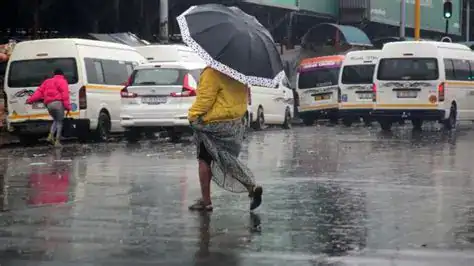
Severe thunderstorms and fire warnings South Africa
Severe thunderstorms and fire warnings South Africa are the latest alerts from the South African Weather Service (SAWS), which has issued multiple Yellow Level 2 warnings across the country. These warnings include heavy downpours, strong winds, hail, damaging waves, and a dangerously high fire danger index in several provinces.
SAWS issues severe thunderstorms warning
The South African Weather Service confirmed that residents of Mpumalanga should prepare for severe thunderstorms with heavy rainfall, hail, excessive lightning, and strong winds. The warning affects the eastern parts of the province, where storms are expected to intensify into the evening.
These thunderstorms may lead to flash flooding in low-lying areas, road disruptions, and damage to vehicles and property. Residents are urged to stay indoors during lightning strikes and to avoid traveling on flooded roads.
Damaging winds and waves for coastal regions
Another Yellow Level 2 warning has been issued for damaging winds and waves along South Africa’s southern coastline. The affected stretch runs from Cape Point to Cape Agulhas, spreading towards Plettenberg Bay by Monday evening and continuing into Tuesday.
Strong winds and high swells could pose risks to small boats, shipping activity, and recreational beachgoers. Coastal infrastructure may also face damage, with large waves expected to impact harbours and piers. Fishermen and mariners are advised to exercise extreme caution.
Fire danger warnings in North West and Free State
In addition to thunderstorms and coastal warnings, SAWS has highlighted a critical fire danger warning. An extremely high fire danger index has been forecast for the western parts of the North West province and the north-eastern Free State.
These areas are particularly vulnerable due to hot, dry, and windy conditions. Residents are strongly discouraged from lighting open fires, braais, or leaving flammable materials exposed. Farmers have been warned to safeguard their crops and livestock, as runaway veld fires can spread quickly under current conditions.
Regional weather outlook
While the severe weather alerts focus on specific areas, SAWS has provided a broader outlook for other provinces across the country.
-
Gauteng, Limpopo, and Free State: Warm and fine conditions in the morning, becoming partly cloudy with isolated afternoon thunderstorms.
-
Western Cape: Fog patches over extreme northern and north-western areas, otherwise fine and warm, with cooler conditions along the coast.
-
KwaZulu-Natal: Partly cloudy and cool to warm, with isolated showers and thunderstorms expected later in the day.
-
Northern areas of South Africa: Monday and Tuesday will bring fine, warm to hot conditions, but cloudy, cool, and rainy weather is predicted for the extreme eastern and southern regions.
This mixed forecast highlights South Africa’s diverse climate patterns and the challenges of managing multiple weather risks simultaneously.
How severe thunderstorms impact communities
The severe thunderstorms and fire warnings South Africa are not just weather updates—they directly impact communities, businesses, and daily life. Heavy rainfall can disrupt power supplies, damage roads, and cause flash floods, especially in rural or poorly drained urban areas.
For agricultural communities, thunderstorms bring both hope and risk: while rain is vital for crops, hail and strong winds can devastate harvests within minutes. Lightning strikes also pose a threat to livestock and farm workers.
Fire danger adds to rural risks
The fire danger warnings in the Free State and North West are particularly concerning for rural farmers. South Africa has experienced numerous devastating veld fires in past years, often resulting in loss of grazing land, property damage, and even fatalities.
Authorities have urged residents to report fires immediately, avoid unnecessary outdoor burning, and create firebreaks where possible. Disaster management teams in affected provinces remain on alert, ready to respond should fires break out.
SAWS calls for vigilance and preparedness
The South African Weather Service continues to monitor evolving weather systems. In its latest advisory, SAWS emphasised that Yellow Level 2 warnings indicate potentially dangerous conditions that may cause localized disruption.
Communities are urged to:
-
Stay tuned to official weather updates.
-
Secure outdoor furniture and loose items that may be blown away by strong winds.
-
Avoid unnecessary travel in storm-affected areas.
-
Prepare emergency kits with essentials in case of flooding or power outages.
By taking precautionary measures, the risks associated with severe thunderstorms, damaging winds, waves, and fire danger warnings can be reduced.
Looking ahead – Monday and Tuesday’s forecast
Looking beyond the weekend, Monday and Tuesday will bring contrasting conditions across the country. Northern regions will remain fine, warm, and hot in places. However, the eastern and southern parts will see cloudy, cooler conditions with isolated showers and rain.
This variability underlines the importance of accurate forecasting. South Africans are increasingly reliant on SAWS updates as climate variability drives more unpredictable and extreme events.
Climate change and increasing extreme weather
The pattern of frequent severe thunderstorms and fire warnings in South Africa reflects broader concerns about climate change. Scientists note that rising global temperatures are intensifying weather systems, leading to more violent storms, prolonged droughts, and increased wildfire risks.
South Africa, with its diverse ecosystems, is highly vulnerable. Policymakers and disaster management agencies are being urged to invest in resilience strategies, from improved infrastructure to community awareness campaigns.
Conclusion
Severe thunderstorms and fire warnings South Africa highlight the importance of preparedness, vigilance, and community awareness. With SAWS issuing Yellow Level 2 alerts for storms in Mpumalanga, damaging winds and waves along the coast, and high fire danger in the North West and Free State, the country faces multiple weather-related challenges.
The key takeaway is clear: South Africans must stay alert, follow SAWS advisories, and take proactive steps to minimise risk. Whether it’s protecting property from hail, avoiding flooded roads, or preventing veld fires, individual actions can make a difference.
As climate uncertainty grows, the ability of South Africans to adapt and prepare will shape how communities withstand future weather events.
You May Like: