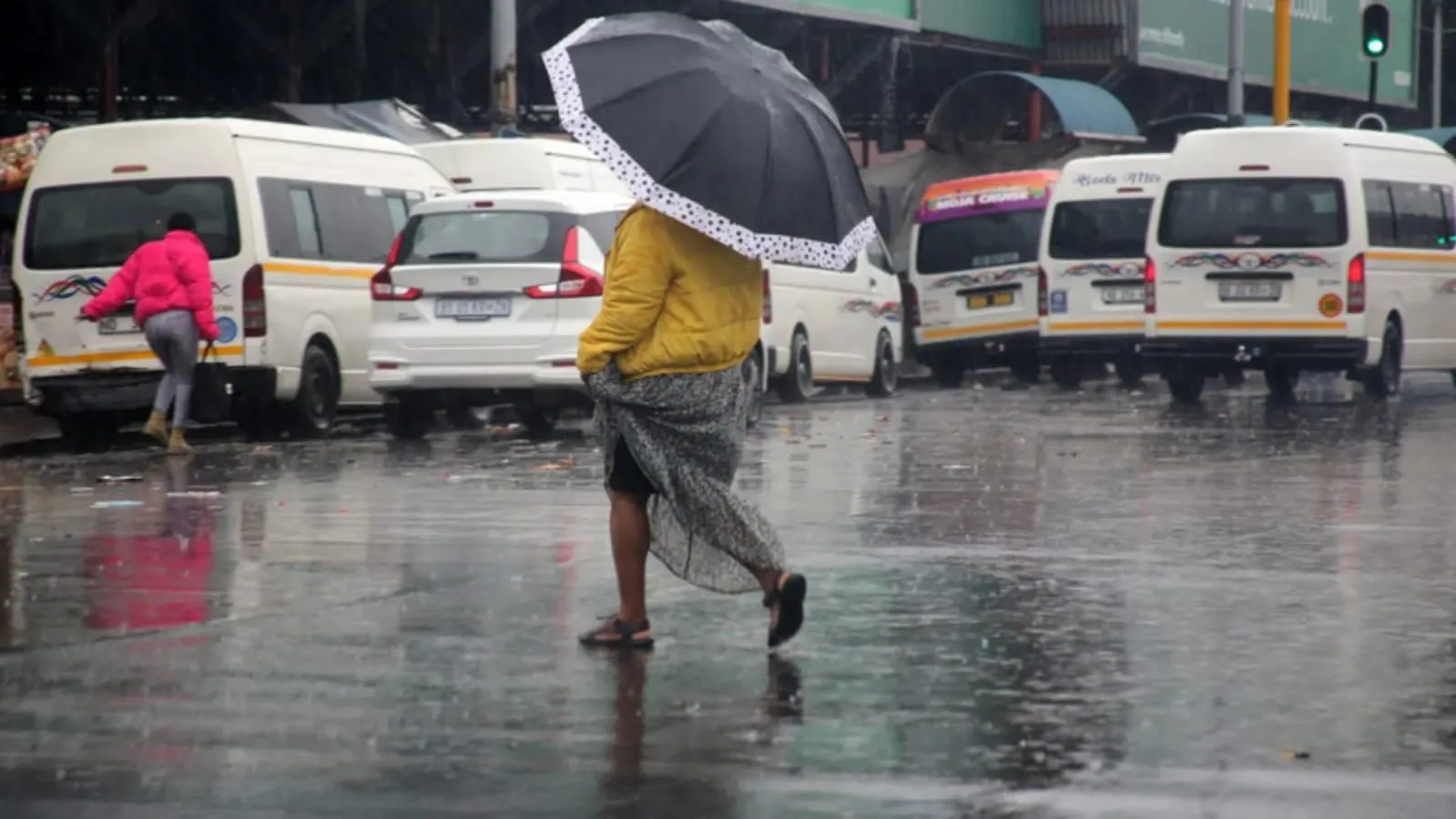
Severe weather warning for South Africa: Essential Safety Guide
Severe weather warning for South Africa has become the primary focus for millions of citizens as the South African Weather Service (SAWS) signals the arrival of a volatile winter season. Over the past weekend, a series of aggressive cold fronts swept across the Western Cape and Northern Cape, eventually moving into the central and eastern interior. These conditions have left many provinces grappling with localized flooding, plummeting temperatures, and damaging winds.
As the South African Weather Service continues to monitor these patterns, the message is clear: the transition into the colder months will be marked by inclement conditions that require immediate attention and proactive planning.
Understanding the Recent Severe Weather Warnings
The impact of the two consecutive cold fronts was felt almost immediately. In the City of Cape Town, infrastructure was put to the test as heavy rains led to localized flooding across the metro. Meanwhile, in Gauteng, motorists faced hazardous road conditions due to persistent rainfall and reduced visibility.
These severe weather warnings serve as a critical alert for homeowners and businesses alike. According to Marius Kemp, Head of Personal Underwriting at Santam, the recent weather is a “timely indication” that the relative safety of autumn is over. Winter is officially on the way, bringing with it a unique set of risks that many South Africans often overlook until damage has already occurred.
Santam Winter Preparation: Protecting Your Property
With the severe weather warning for South Africa in full effect, South Africa’s largest short-term insurer, Santam, is urging the public to take defensive measures. Winter risks extend beyond just staying warm; they involve safeguarding the structural integrity of your home and the functionality of your vehicle.
Essential Property Maintenance Tips
To mitigate the impact of heavy downpours and sub-zero temperatures, consider the following property maintenance tips:
-
Roof and Gutter Inspection: Check your roof for cracked tiles or leaks and clear your gutters of debris. Clogged gutters are a leading cause of water backing up into the eaves and causing interior ceiling damage.
-
Pipe Insulation: As temperatures drop, frozen or burst water pipes become a major threat. Water expands when it freezes, creating immense pressure that can cause exposed pipes to crack. Insulating these pipes can save you from costly building and content claims.
-
Geyser Maintenance: Santam reports that geyser claims are the most common type of claim during winter. Ensure your geyser is fitted with a drip tray and that the pressure-release valve is functioning correctly.
Navigating Flooding and Fire Risks
The duality of winter in South Africa involves managing both flooding and fire risks. While the coastal regions and parts of the interior deal with excessive water, the entire country faces an increased threat of residential fires.
Addressing the Threat of Fire
As we rely more heavily on electrical appliances to combat the cold, the risk of electrical fires surges. Heaters and electric blankets are the primary culprits in many home fires.
-
Safe Distance: Always keep heating appliances at least one meter away from flammable materials like curtains, rugs, or furniture.
-
Appliance Check: Inspect cords and plugs for wear and tear. If a cord feels hot to the touch while the heater is running, it is a significant fire hazard.
-
Switch Off: Never leave a heater or electric blanket on when you leave the house or go to sleep.
Dealing with Localized Flooding
In areas highlighted by the severe weather warning for South Africa, motorists should exercise extreme caution. Flash flooding can turn a standard commute into a life-threatening situation. Avoid crossing low-lying bridges and ensure your vehicle’s tires and wipers are in top condition to handle wet surfaces.
The Role of the South African Weather Service (SAWS)
The South African Weather Service provides the foundational data that helps emergency services and insurers like Santam prepare for disasters. By staying tuned to official SAWS updates, citizens can receive real-time info on wind speeds, rainfall volume, and snow alerts in high-altitude areas.
Monitoring these severe weather warnings is the first step in a larger safety strategy. When the SAWS issues a Level 4 or Level 6 warning, it is an indication that the potential for property damage and loss of life is elevated.
YOU MAY LIKE:
Conclusion: Don’t Wait for the Storm
The severe weather warning for South Africa currently in place is a reminder that nature is unpredictable. Whether it is a burst pipe in the middle of the night or a flooded driveway after a thunderstorm, being unprepared can lead to financial and emotional distress.
By following Santam winter preparation guidelines and keeping up with property maintenance tips, you can ensure that your home remains a sanctuary rather than a liability. Remember to check your insurance policy to confirm that you have adequate coverage for “Acts of Nature,” including flood and storm damage.
Stay safe, stay warm, and keep a close eye on the latest updates from the South African Weather Service. As always, eKayNews will be here to provide you with the most urgent breaking stories and weather alerts to keep you and your family protected.