Trump claims Tehran ‘making an offer’ as US team heads for talks
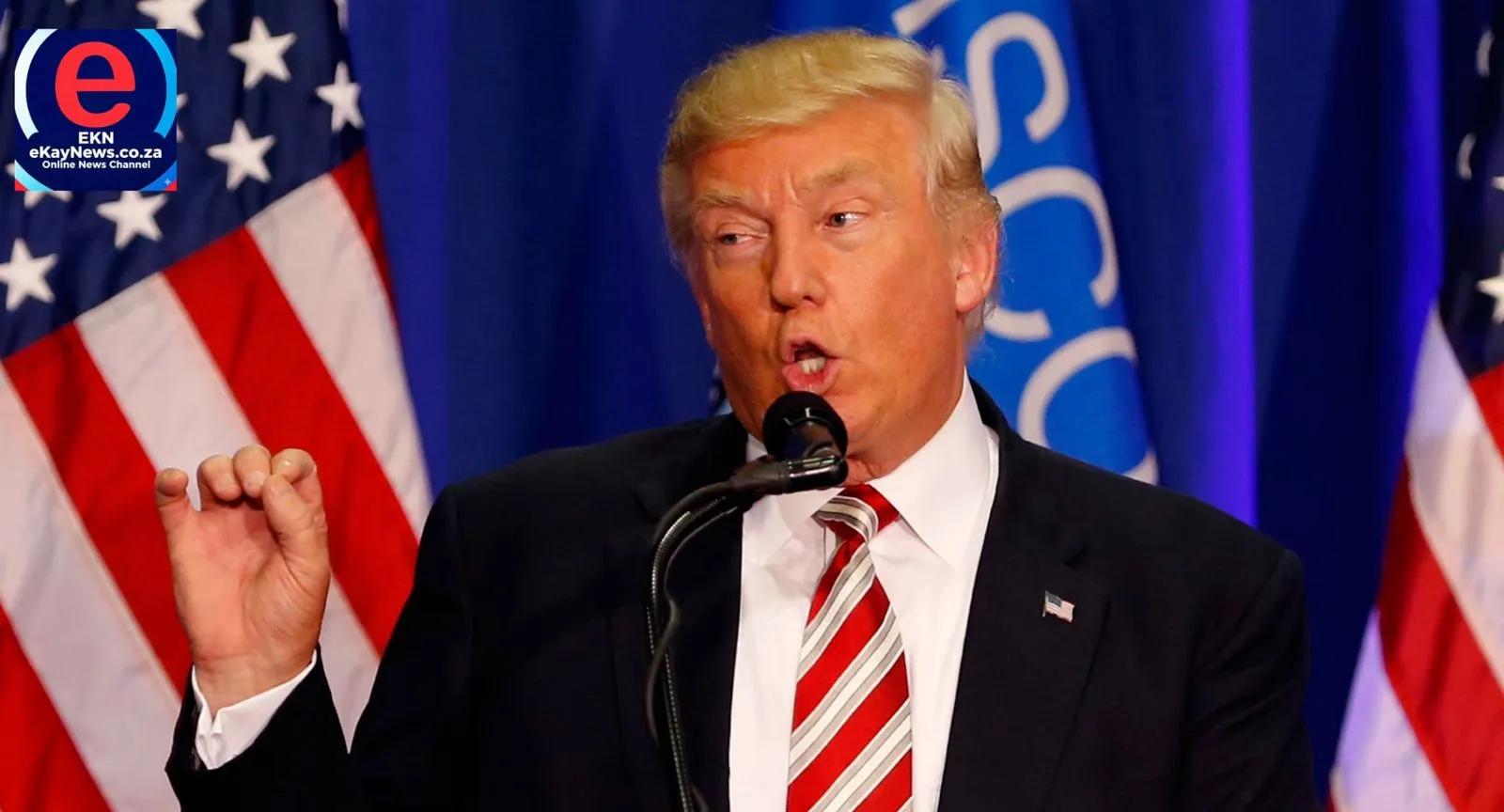
Trump claims Tehran ‘making an offer’ as US team heads for talks in Pakistan, marking a potential turning point in the high-stakes confrontation that has gripped the Middle East. President Donald Trump announced on Saturday that the Iranian government appears ready to blink, signaling a willingness to negotiate after months of crushing sanctions and a relentless US Navy blockade. As the world watches with bated breath, the diplomatic machinery of the White House is moving into high gear to capitalize on this perceived shift in Tehran’s stance.
High-Stakes Diplomacy: Steve Witkoff and Jared Kushner
The spearhead of this mission involves two of the President’s most trusted confidants. Steve Witkoff and Jared Kushner are heading to Pakistan today for renewed negotiations. Their arrival in Islamabad is seen as a strategic choice, utilizing Pakistan as a neutral ground to facilitate dialogue between two nations that currently lack direct diplomatic channels.
While the White House confirmed the departure of the envoys, it was notably mentioned that Vice President JD Vance would not be traveling with the team. This suggests a targeted, back-channel approach led by individuals known for their deal-making history rather than a standard state-to-state ministerial summit.
The Terms of the Trump Iran Offer
The President has been uncharacteristically vague about the specifics of the proposal, stating simply, “They’re making an offer and we’ll have to see.” However, the “Trump Iran offer” is not a blank check. The President has laid out non-negotiable pillars that any successful deal must include:
1. Surrender of Enriched Uranium
For the United States, the primary security concern remains Iran’s nuclear capabilities. Trump has insisted that Tehran must give up its entire stockpile of enriched uranium. This demand goes further than previous agreements, aiming to permanently “break the breakout clock” of Iran’s nuclear program.
2. Freedom of Strait of Hormuz Oil Traffic
The global economy has been throttled by the ongoing standoff in the Persian Gulf. A core requirement for any de-escalation is the guaranteed freedom of Strait of Hormuz oil traffic. Trump’s administration has made it clear that the “shoot and kill” orders issued to the US Navy will only be rescinded once Iran stops its interference with international shipping and mine-laying activities.
Pakistan Negotiations: The Silent Bridge
The choice of Islamabad for these Pakistan negotiations highlights the complex web of Middle Eastern diplomacy. Iran’s foreign ministry spokesperson has been quick to downplay expectations, stating that “no meeting is planned to take place between Iran and the US.” Instead, Tehran maintains that its observations and proposals will be “conveyed to Pakistan,” who will then act as the intermediary for the American delegation.
Despite this public posturing of distance, the reality is that the presence of Steve Witkoff and Jared Kushner on Pakistani soil at the same time as Iranian officials suggests a “proximity talk” model similar to those used in the most sensitive historical peace treaties.
The Pressure Campaign: Why Now?
The news that Trump claims Tehran ‘making an offer’ as US team heads for talks comes at a moment of maximum vulnerability for the Islamic Republic. The combination of:
-
The US Navy Blockade: Which has successfully intercepted dozens of sanctioned oil tankers.
-
Internal Pressures: Reports of fractures within the Iranian leadership and public unrest over the economy.
-
Military Presence: With three aircraft carriers currently stationed in the region, the threat of kinetic action remains constant.
President Trump has consistently tweeted that “the clock is ticking” for Tehran. This latest development suggests that the Iranian leadership may finally believe that the window for a negotiated settlement is closing.
Regional Implications for South Africa and the World
While the talks happen in Islamabad, the impact is felt globally, including in South Africa. The volatility of Strait of Hormuz oil traffic directly affects fuel prices in the Western Cape and Gauteng. A successful breakthrough in these Iran-US peace talks would likely lead to an immediate stabilization of global oil markets, providing much-needed relief to emerging economies.
Furthermore, the “Trump Iran offer” represents a test of the new administration’s ability to settle “forever wars” through leverage rather than prolonged ground invasions.
YOU MAY LIKE:
Conclusion: A Fragile Hope for Peace
As Trump claims Tehran ‘making an offer’ as US team heads for talks, the international community remains cautiously optimistic. The road from a “claim” to a signed “deal” is fraught with historical baggage and mutual distrust. However, with Steve Witkoff and Jared Kushner on the ground in Pakistan, the architecture for a resolution is finally in place.
Whether this “offer” from Tehran satisfies the stringent demands of the White House remains to be seen. If the talks succeed, it could redefine Middle Eastern security for a generation. If they fail, the “ticking clock” may reach its final hour.
References
- Reuters – U.S.-Iran tensions and diplomatic efforts
https://www.reuters.com/world/middle-east/us-iran-talks-diplomacy-tensions-2026-04-25/
Reuters coverage of ongoing U.S.–Iran tensions, including diplomatic efforts and indirect negotiations involving regional intermediaries. - BBC News – Iran nuclear programme and global negotiations
https://www.bbc.com/news/world-middle-east-14541327
BBC overview of Iran’s nuclear programme and international negotiations, including U.S. demands regarding enriched uranium.